

What causes low water pressure in a house? Learn the most common reasons, from closed valves to clogged pipes, and when to call a professional plumber.
What Causes Low Water Pressure in a House? A Home Guide
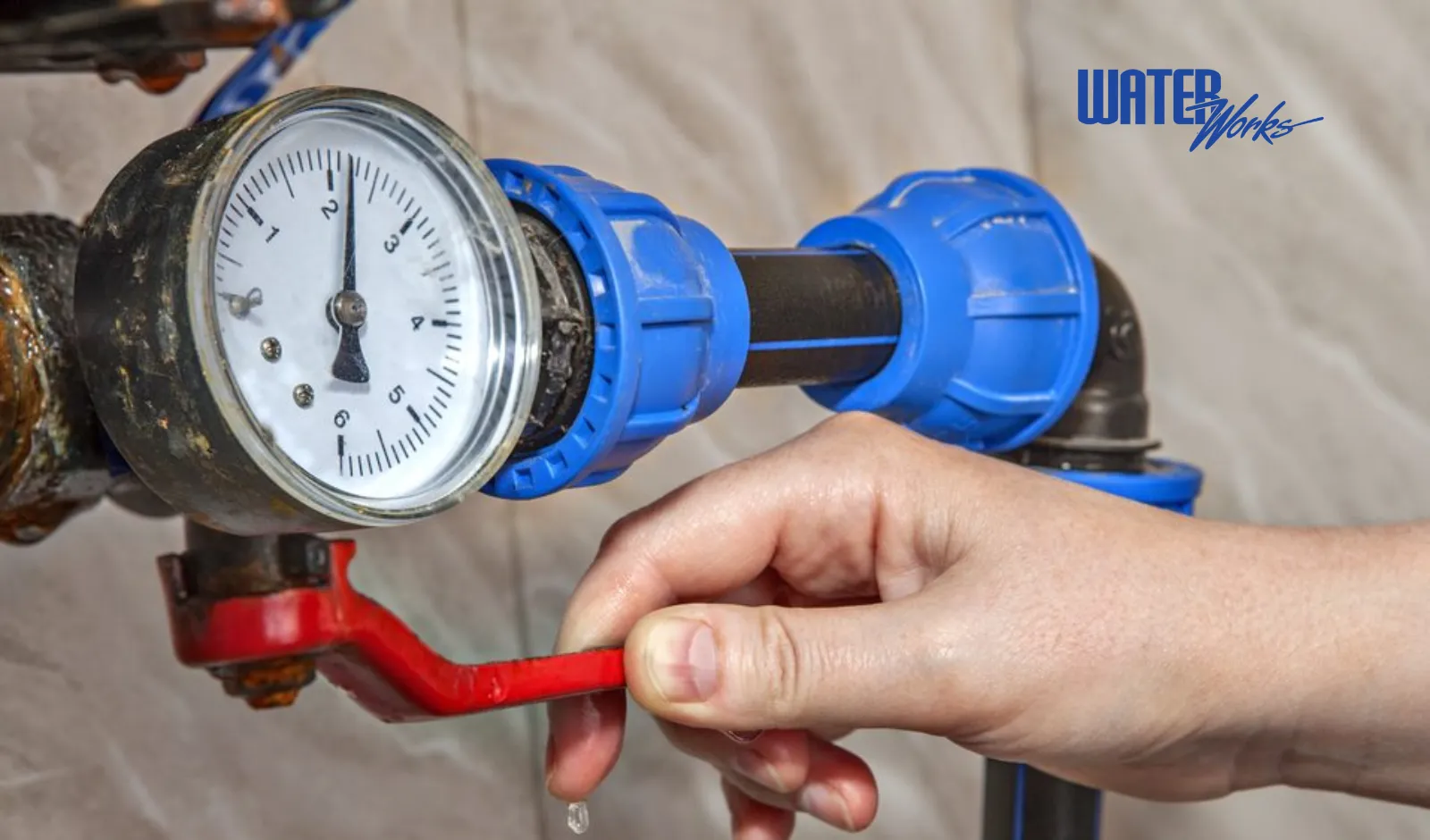
Low water pressure throughout your home can affect everyday tasks like showering, washing dishes, laundry, and cleaning. When taps run slowly or water flow feels weak across multiple fixtures, it quickly becomes frustrating and inconvenient. Many homeowners notice the problem gradually, as pressure drops over time rather than all at once.
When pressure is low across the house, it usually points to a system-wide issue rather than a single tap or appliance. This often means something is affecting the main water system, plumbing lines, or supply controls that feed your entire home.
This guide explains what causes low water pressure in the whole house, how to spot common warning signs, and when professional help is the safest option to restore proper water flow.
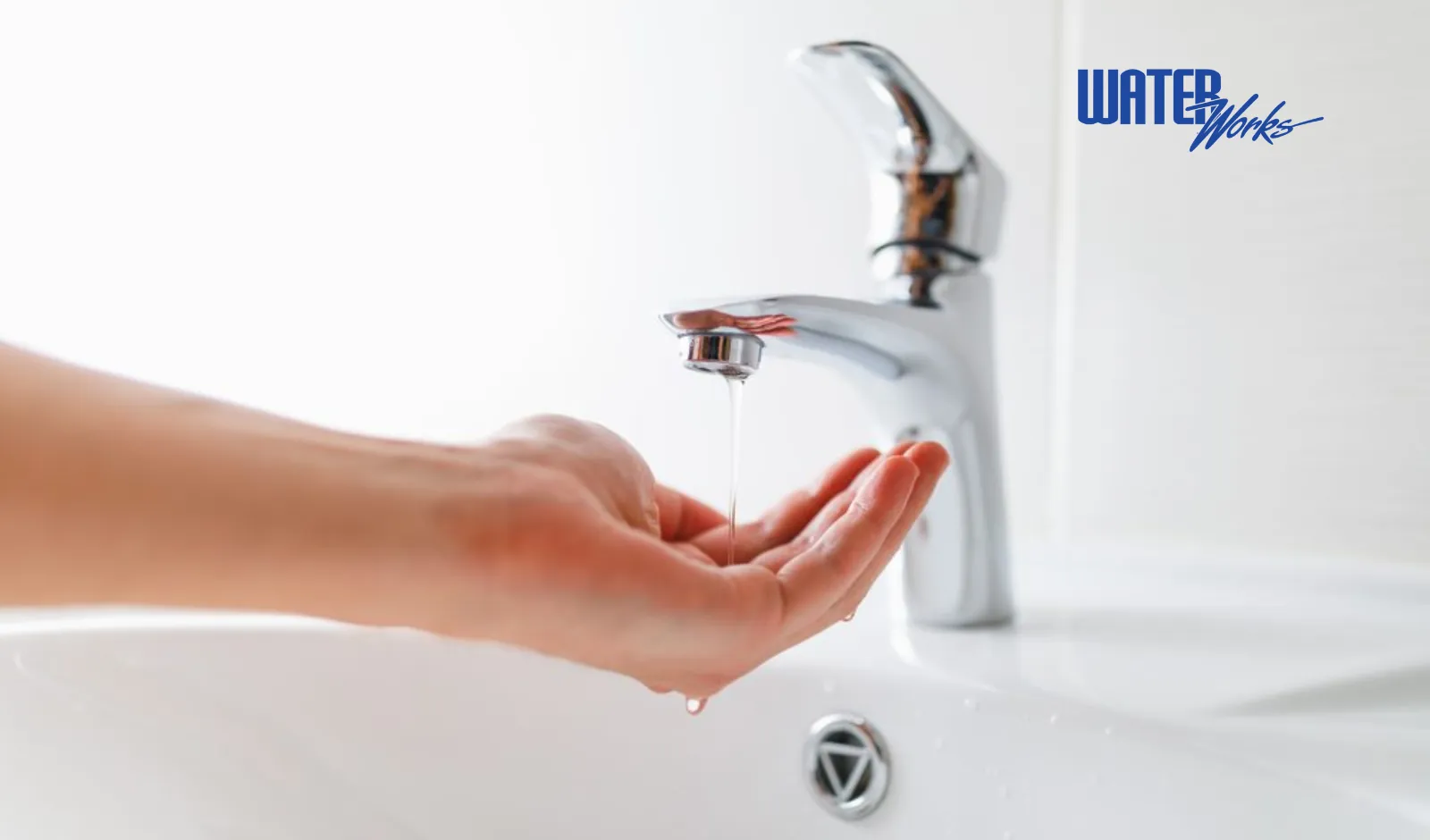
What Low Water Pressure in the Whole House Looks Like
Low pressure in your house often shows up in several noticeable ways. Instead of a steady flow, water may come out slowly or unevenly, making everyday tasks take longer than usual.
Common signs include:
- Weak water flow from taps and showers
- Slow-filling toilets, washing machines, or dishwashers
- Hot and cold water are both feeling weak across multiple fixtures
- A sudden drop in water pressure or a gradual decline over time
- Pressure that changes throughout the day
When these problems affect more than one room or fixture, it usually means the issue is deeper within the plumbing systems or the main water supply rather than a single tap or appliance.
Common Causes of Low Water Pressure in a House
- Closed or Partially Closed Valves
One of the most common and overlooked causes is valve position.
Your home has several valve controls, including:
- The main shutoff valve
- The water meter valve
- Individual shutoff valves inside the house
If any of these are partially closed, water flow is restricted. Valves should be fully open to allow normal pressure. Even a small adjustment can make a big difference to the pressure in your house.
- Water Meter Valve Problems
The water meter valve controls how water enters your home from the street. If this valve is not fully open, pressure drops across the entire household water system.
This can happen after:
- Plumbing work
- Meter replacements
- Maintenance by the water company
A partially closed water meter valve often causes a sudden drop in water pressure.
- Clogged Pipes and Mineral Buildup Over Time
Over time, mineral deposits and mineral buildup collect inside water lines. This is especially common in older plumbing systems.
As the buildup increases:
- Pipe openings become narrower
- Water flow slows
- Pressure problems worsen
Clogged pipes are a major reason why pressure gradually gets worse instead of failing suddenly.
- Leaky Pipes Inside the House
Leaky pipes allow water to escape before it reaches taps. Even small leaks reduce pressure across the system.
Signs of leaky pipes include:
- Damp patches on walls or floors
- Mould smells
- Higher water use without explanation
- A drop in water pressure
Leaks also increase the risk of water damage and should never be ignored.
- Issues With the Municipal Water Supply
Sometimes the problem is outside your home.
The municipal water supply can be affected by:
- Repairs or maintenance
- High demand during peak times
- Temporary supply interruptions
- Pressure changes from the water supplier
If neighbours are experiencing the same issue, the cause may be linked to the water company rather than your household water system.
- Faults in the Home Water System
Your water system includes pipes, valves, fittings, and pressure controls. If any part fails or becomes restricted, pressure drops.
Common internal issues include:
- Faulty valve controls
- Worn plumbing components
- Blocked water lines
- Incorrect pressure settings
These problems usually require professional testing to identify them safely.
- Pressure Regulator or Control Issues
Some homes use pressure control devices to manage high water pressure. If these controls fail or are set incorrectly, they can cause low pressure throughout the house.
Pressure controls should never be adjusted without experience, as incorrect changes can damage plumbing systems.
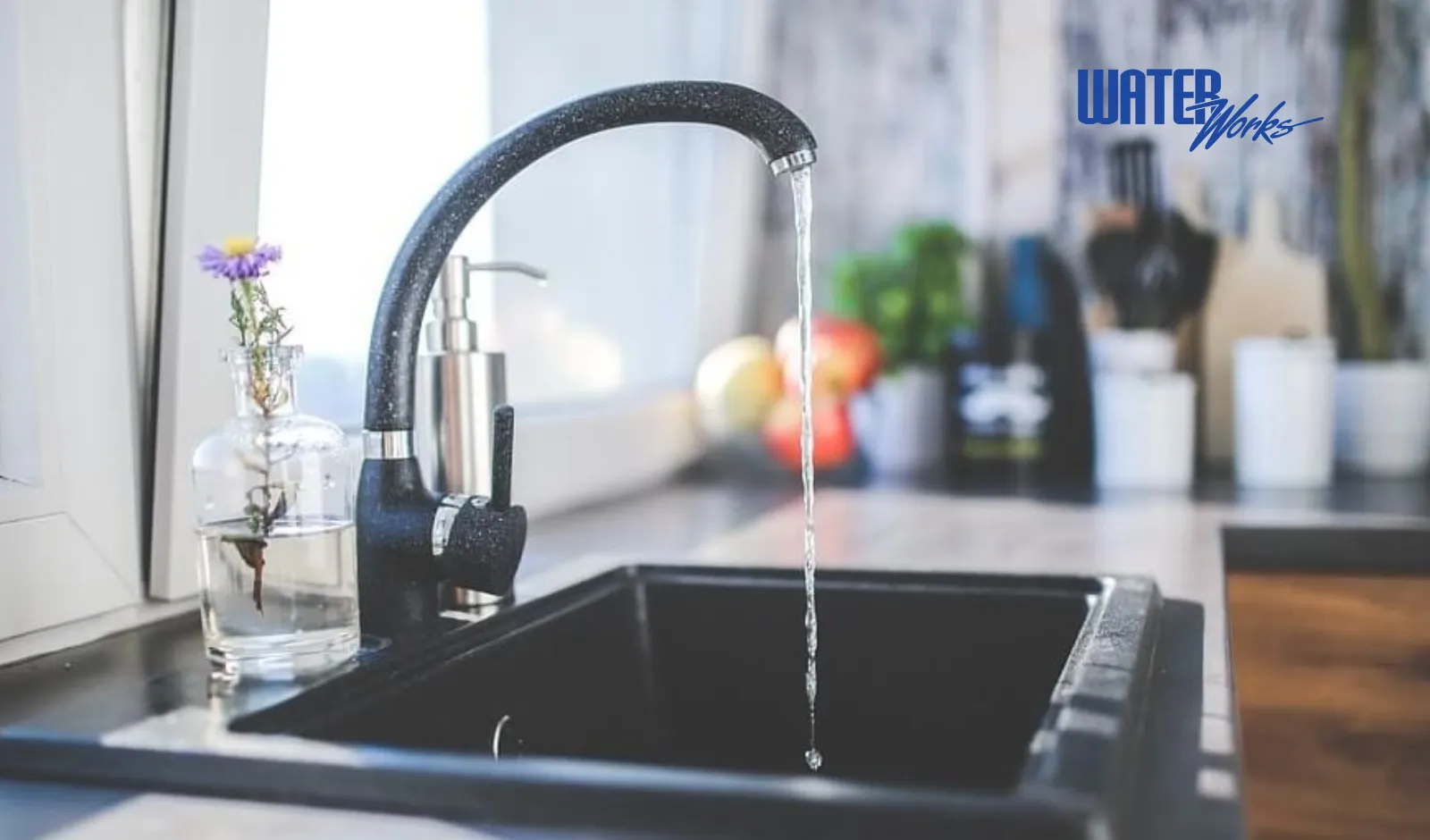
When Low Water Pressure Affects the Whole House
When water pressure is low at multiple points in your home, such as low water pressure in the kitchen, bathroom sinks and showers, laundry connections, or outdoor taps, the cause is rarely linked to a single fixture. Instead, this usually points to a wider issue affecting how water moves through your home.
The cause is rarely linked to a single fixture. Instead, this usually signals a wider issue affecting how water moves through your home.
The cause is rarely linked to a single fixture. Instead, this usually signals a wider issue affecting how water moves through your home.
Whole-house pressure problems often come from:
- The main water supply entering the property
- Water lines that are restricted, leaking, or ageing
- System-wide restrictions caused by closed valves, buildup, or pressure control issues
Because these problems affect the entire household water flow, they are not always easy to spot without proper testing. This is where a professional assessment becomes important, as it helps identify the source of the pressure drop before it leads to leaks, water damage, or further plumbing problems.
Why DIY Fixes Often Make Pressure Problems Worse
It can be tempting to adjust valves or fittings yourself when water pressure drops, especially if the issue seems minor. However, small changes made without proper knowledge can quickly create bigger problems elsewhere in the plumbing system.
DIY mistakes often lead to:
- Increased pressure beyond safe limits
- Damage to plumbing systems and internal components
- Leaky pipes hidden behind walls or under floors
- Costly water damage that spreads before it is noticed
Water pressure systems are carefully balanced. Changing one setting can affect the entire system, not just the fixture you are trying to fix. What feels like a simple adjustment can quickly turn into a plumbing emergency that requires an emergency plumber to prevent further damage and restore safe water flow.
How Professionals Diagnose Low Water Pressure
Professionals check the entire system step by step. This includes:
- Testing pressure at multiple points
- Checking if valves are fully open
- Inspecting water lines for leaks
- Identifying clogged pipes
- Confirming if the issue comes from the water supplier
This approach avoids guesswork and prevents unnecessary damage.
When to Call a Professional
If low water pressure:
- Affects the whole house
- Keeps returning
- Gets worse over time
- Comes with leaks or damp areas
It is best to seek expert help.
A licensed plumber can:
- Measure pressure accurately
- Inspect plumbing systems safely
- Identify supply and valve issues
- Restore proper pressure without damage
For non-urgent problems, searching for plumbing near me helps you find local professionals before pressure problems escalate.
Emergency Situations and Sudden Pressure Drops
A sudden drop in water pressure combined with:
- Visible leaks
- No water at all
- Flooding or damp walls
Should be treated as urgent. In these cases, contacting an emergency plumber quickly helps limit damage and protect your home.
Final Thoughts
Low water pressure in the whole house is more than a daily inconvenience. It is often a warning sign that something is wrong with your water system.
Understanding what causes low water pressure in a house allows you to act early, protect the household water supply, and avoid expensive repairs.
At Water Works, experienced plumbers assess pressure problems accurately and restore reliable water flow without unnecessary disruption.
Need Help With Low Water Pressure?
If water pressure problems are affecting your entire home, professional support can prevent leaks, damage, and ongoing frustration.
Call us on 0800 448 372 or book online and save $15. Our team is ready to restore safe, consistent water pressure when you need it.
Discover more
news and tips
Discover our wide range of plumbing blogs showcasing everything from home renovations to large-scale commercial installations.


Contact us today about your Auckland plumbing needs
24/7 Affordable Plumbing Services for Auckland Homes and Businesses. For all emergency jobs please call us on 09 846 4458.