

Low water pressure at home? Learn what causes low water pressure, how it affects showers and taps, and when to call a plumber for safe, lasting fixes.
What Causes Low Water Pressure? Your Home Guide
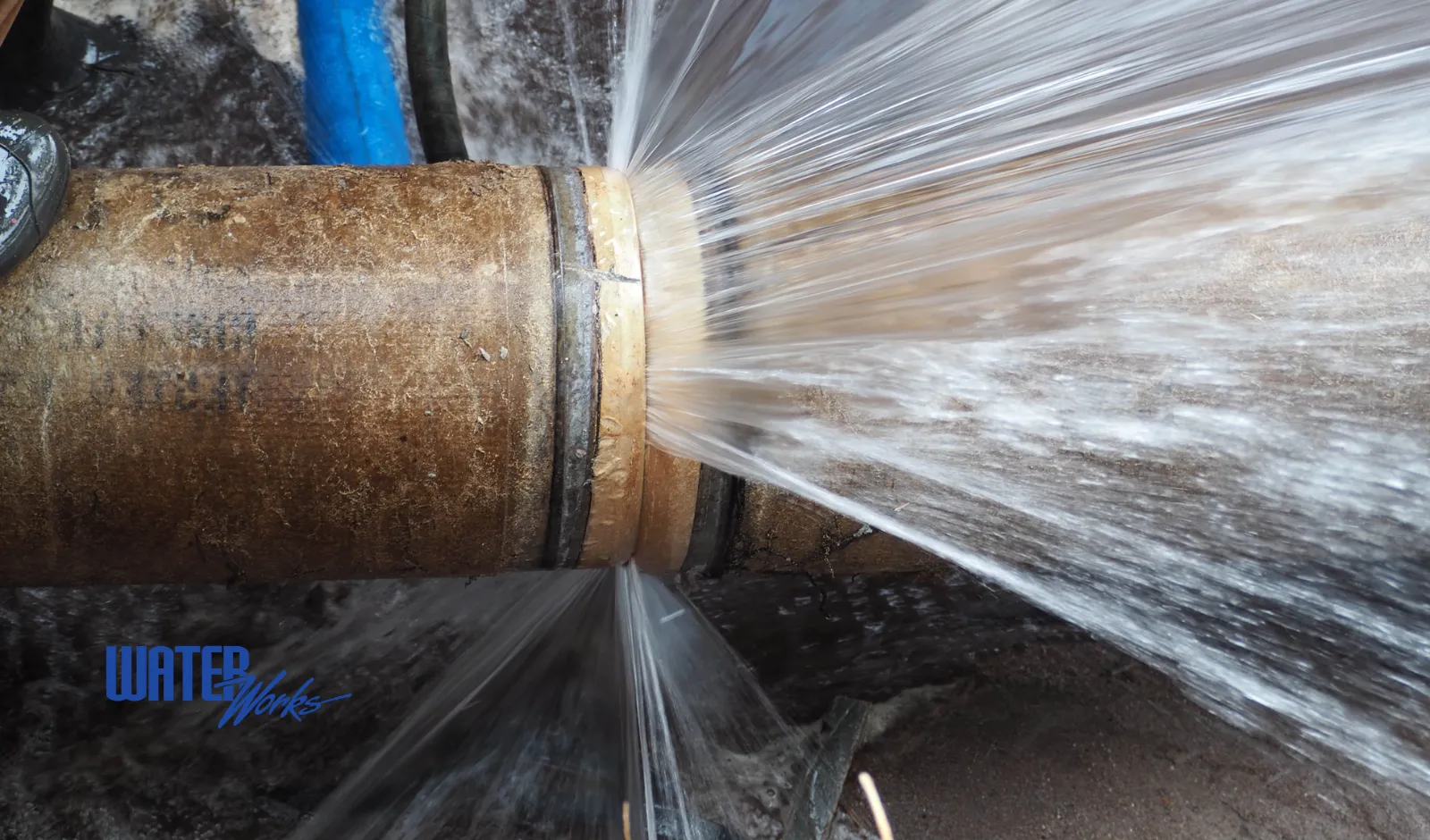
Low water pressure can be frustrating. From weak showers to taps that take forever to fill a sink, it affects everyday comfort and convenience. Many homeowners ask what causes low water pressure and whether it is a simple fix or a sign of a bigger plumbing issue.
This guide explains the most common causes of low water pressure, what causes low water pressure in a house, and why pressure problems should not be ignored. It also covers when professional help is the safest option.
Understanding Water Pressure in Your Home
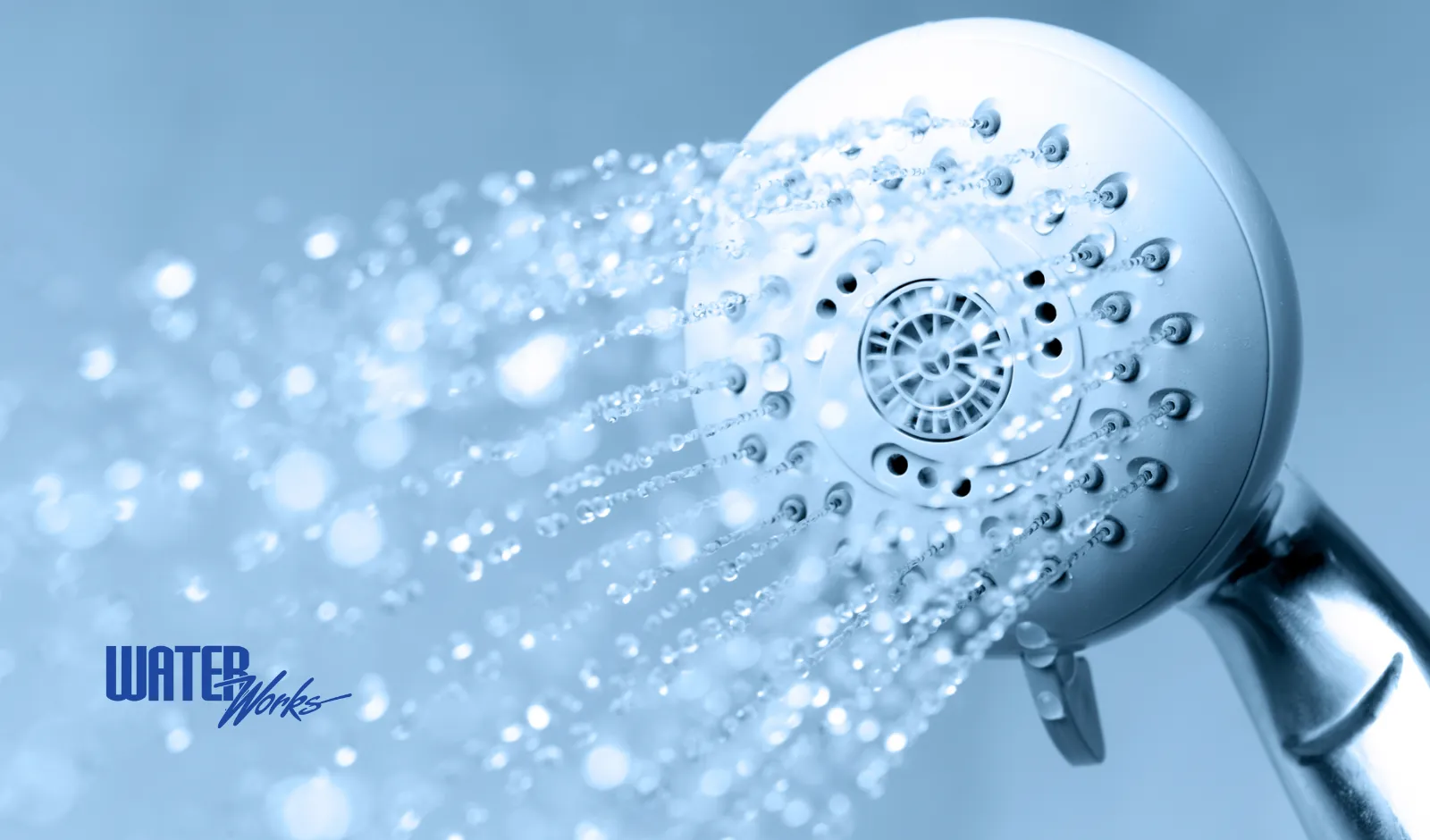
Water pressure is the force that pushes water through your pipes and into your taps. Your home’s water pressure depends on several factors, including the municipal water supply, the condition of your plumbing system, and how water enters your home.
When pressure drops, the flow of water slows down. This can happen suddenly or develop over time, making it harder to notice at first.
Common Causes of Low Water Pressure
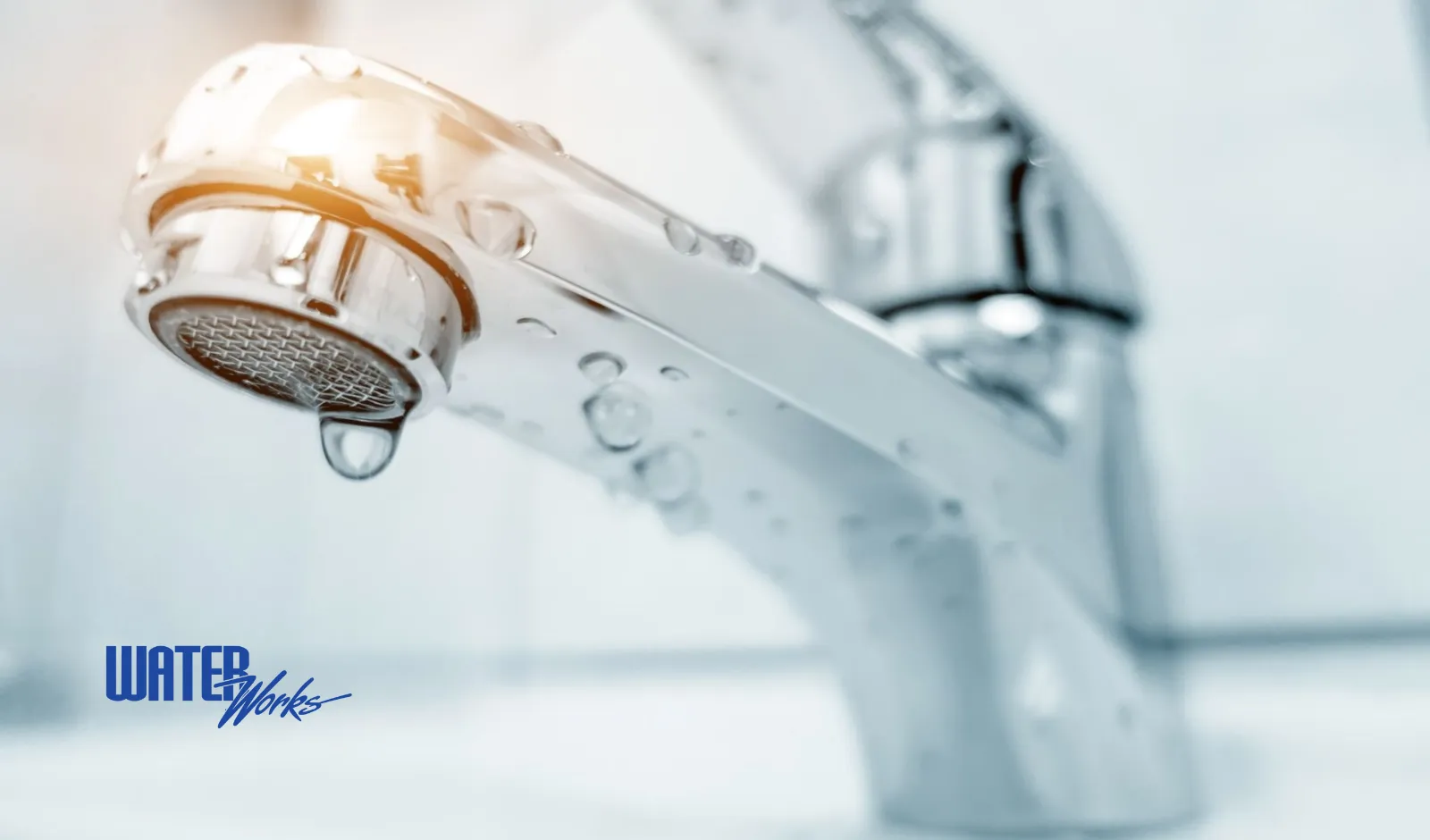
There are many possible reasons for weak water flow. Some are simple, while others need professional attention.
- Closed or Partially Closed Valves:
One of the most common causes of low water pressure is a closed valve. Your main shutoff valve or individual shutoff valves under sinks should be fully open. If a valve is only partly open, it can restrict water flow throughout the house.
- Clogged Pipes and Mineral Buildup:
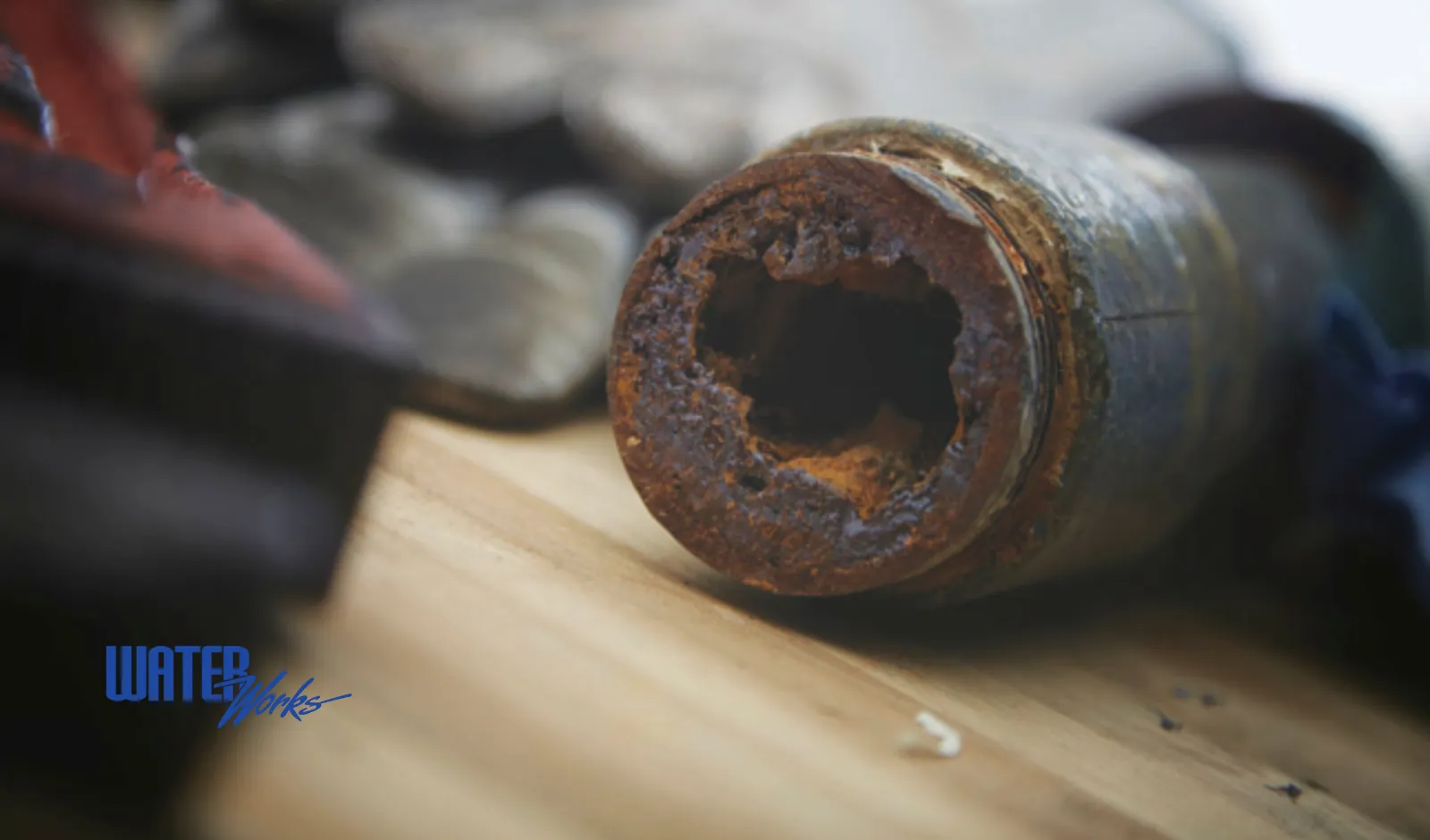
Over time, mineral deposits can build up inside pipes. This is common in older homes or areas with hard water. These deposits reduce the internal diameter of pipes and restrict water flow, leading to weak water pressure at taps and showers.
- Faulty Pressure Regulator:
Some homes have a pressure regulator to control high pressure from the supply. If this regulator fails, it can cause a water pressure issue throughout the house. Pressure may suddenly drop or become inconsistent.
- Issues With the Municipal Water Supply:
Sometimes the problem is outside your property. Maintenance work, pipe damage, or high demand in your area can reduce pressure from the municipal water supply before it even enters your home.
- Leaks in the Plumbing System:
Hidden leaks can significantly reduce pressure. Water escaping from leaking pipes means less pressure reaches your fixtures. Leaks also increase water bills and cause damage to walls and floors if left untreated.
What Causes Low Water Pressure in a House
When pressure problems affect the whole home, the cause is usually related to the main water system.
Common household causes include:
- A partially closed main shutoff valve
- Corroded or ageing pipes
- Pressure problems where water enters your home
- A faulty pressure regulator
- Ongoing leaks in the plumbing system
If pressure is low at every tap, it is unlikely to be a single fixture problem.
What Causes Low Water Pressure in Shower Areas
Low pressure in the shower is especially noticeable and uncomfortable. Common causes include:
- Blocked shower heads due to mineral deposits
- Old or clogged pipes supplying the bathroom
- Valves that are not fully open
- Overall low home’s water pressure
Sometimes the issue is limited to one bathroom, which can point to local pipe restrictions rather than a whole-house problem.
High Pressure Can Also Cause Problems
It may sound surprising, but high pressure can lead to low pressure over time. Excessive pressure stresses pipes, joints, and valves. This can cause leaks, damage, and eventual pressure loss.
Installing a pressure control solution is sometimes necessary to protect the plumbing system and maintain stable pressure in your home.
Why Regular Maintenance Matters
Regular maintenance helps prevent water pressure problems before they start. Over time, small issues like mineral buildup, worn valves, or early leaks can slowly reduce pressure.
Plumbing maintenance support from professionals includes checking valves, inspecting pipes, testing pressure levels, and identifying early signs of trouble. This is especially important in residential plumbing systems where ageing pipes are common.
When Low Water Pressure Is an Emergency
Some pressure issues require immediate attention. Call emergency plumbers if you notice:
- A sudden and major drop in water pressure
- No water flow at all
- Signs of leaks or water damage
- Unusual noises in pipes
These can indicate serious problems that need urgent repair to prevent further damage.
When to Call a Professional Plumber
If basic checks do not restore pressure, it is time to call a professional. Experienced plumbers in Auckland can diagnose the cause accurately and recommend the right solution.
Professional plumbers can:
- Test pressure levels correctly
- Inspect for hidden leaks
- Check regulators and shutoff valves
- Repair or replace damaged sections
- Advise on installing a pressure solution if needed
Trying to guess the cause can lead to unnecessary repairs or missed problems.
Final Thoughts
Low water pressure is more than an inconvenience. It is often a sign that something is wrong with your water system. Understanding what causes low water pressure helps you act early and avoid bigger problems.
If pressure issues continue or appear suddenly, a professional assessment from Water Works is the safest way forward to protect your plumbing and restore reliable water flow in your home.
Need Help With Low Water Pressure?
If weak water flow is affecting your home, expert help can make a real difference. Call us today 0800 448 372 or book online and save $15. Our emergency plumbers are available across Auckland to diagnose and fix water pressure problems safely and efficiently.
Discover more
news and tips
Discover our wide range of plumbing blogs showcasing everything from home renovations to large-scale commercial installations.


Contact us today about your Auckland plumbing needs
24/7 Affordable Plumbing Services for Auckland Homes and Businesses. For all emergency jobs please call us on 09 846 4458.