

Learn the difference between WC and toilet, what each term means, and how they are used in modern homes.
WC vs Toilet: Understanding the Difference

Many people see the words WC and toilet used interchangeably and assume they mean the same thing. You may notice “WC” signs in public spaces, on building plans, or in hotel listings, while “toilet” is more common in everyday conversation. This often leads to confusion, especially when people try to understand the real difference between WC and toilet.
Although both terms refer to the same basic function, their meanings are slightly different. The word toilet usually describes the fixture used for flushing waste. The term WC comes from older housing designs and describes the space where the toilet is located. Understanding these differences can help when discussing bathroom layouts, home renovations, or plumbing issues.
This guide explains where both terms come from, how they are used today, and why the distinction still matters.
What Does WC Mean?
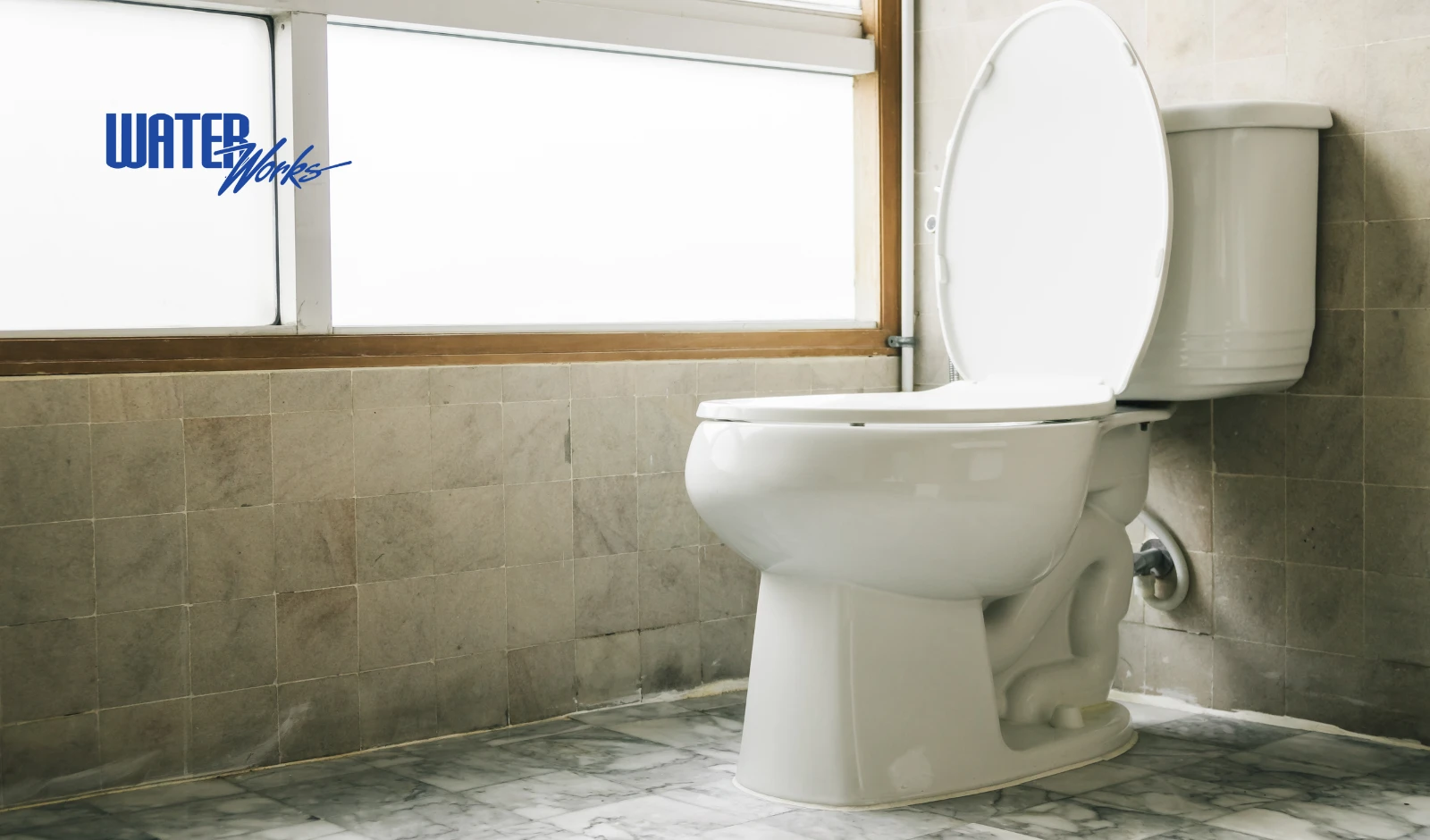
WC stands for water closet. The abbreviation WC comes from early indoor plumbing designs. A water closet was a small room that contained a toilet and a water supply for flushing.
The term WC became popular when indoor toilets replaced older waste systems like chamber pots. At that time, having a private room with running water was a major improvement in hygiene and comfort.
When people say WC stands for something, they are referring to a water closet. Even today, the phrase water closet WC appears on building plans and signage.
What Does Toilet Mean?
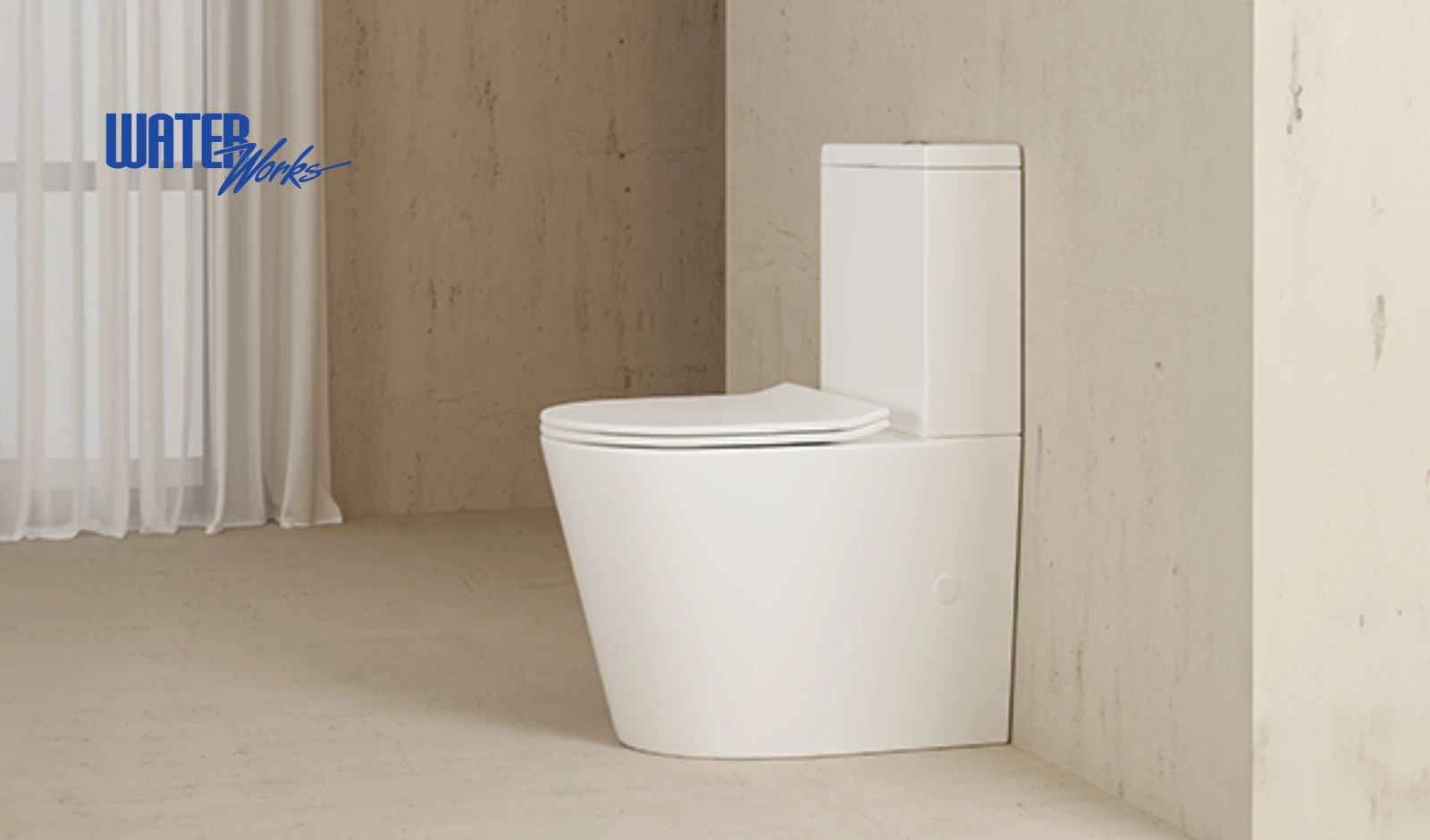
The word toilet usually refers to the actual fixture used for flushing waste. Over time, people began using the word to describe both the fixture and the room where it sits.
In most homes today, when people say “toilet,” they mean the entire bathroom or the toilet fixture itself. This is especially common in casual conversation and everyday use.
Types of Toilets
Modern toilets come in several designs, including:
- Close-coupled toilets, where the tank sits directly on the bowl
- Wall-hung toilets, mounted to the wall
- Dual flush toilets, which allow different flush volumes
These designs improve water use and fit different room sizes.
Old Terms for Toilets
Before modern plumbing, people used many different terms for toilets. Some old words include dunnekin, which referred to early waste systems before indoor plumbing existed.
These older terms show how sanitation has improved over time, moving from outdoor systems to private indoor spaces.
WC vs Toilet in Modern Homes
In modern homes, the difference between a WC and a toilet is often subtle. Many bathrooms include a toilet, sink, and sometimes a shower or bath. In these cases, people usually just say “bathroom.”
However, a WC often refers to a room with only a toilet and sink. These rooms are common in powder rooms or guest areas. A WC is typically smaller and separate from the main bathroom.
Usage in Different Countries
Language plays a big role in how these terms are used. In some countries, WC is still commonly used on signs and building plans. You may see “Ladies WC” or “Gents WC” in public places.
In other regions, “toilet” is more common in daily speech. Both terms remain correct, but their use depends on location and context.
Bathroom Layouts and Design
When designing a home, the difference between WC and toilet matters. A WC usually fits into a small room and may include:
- A toilet
- A small sink
- A basic water supply
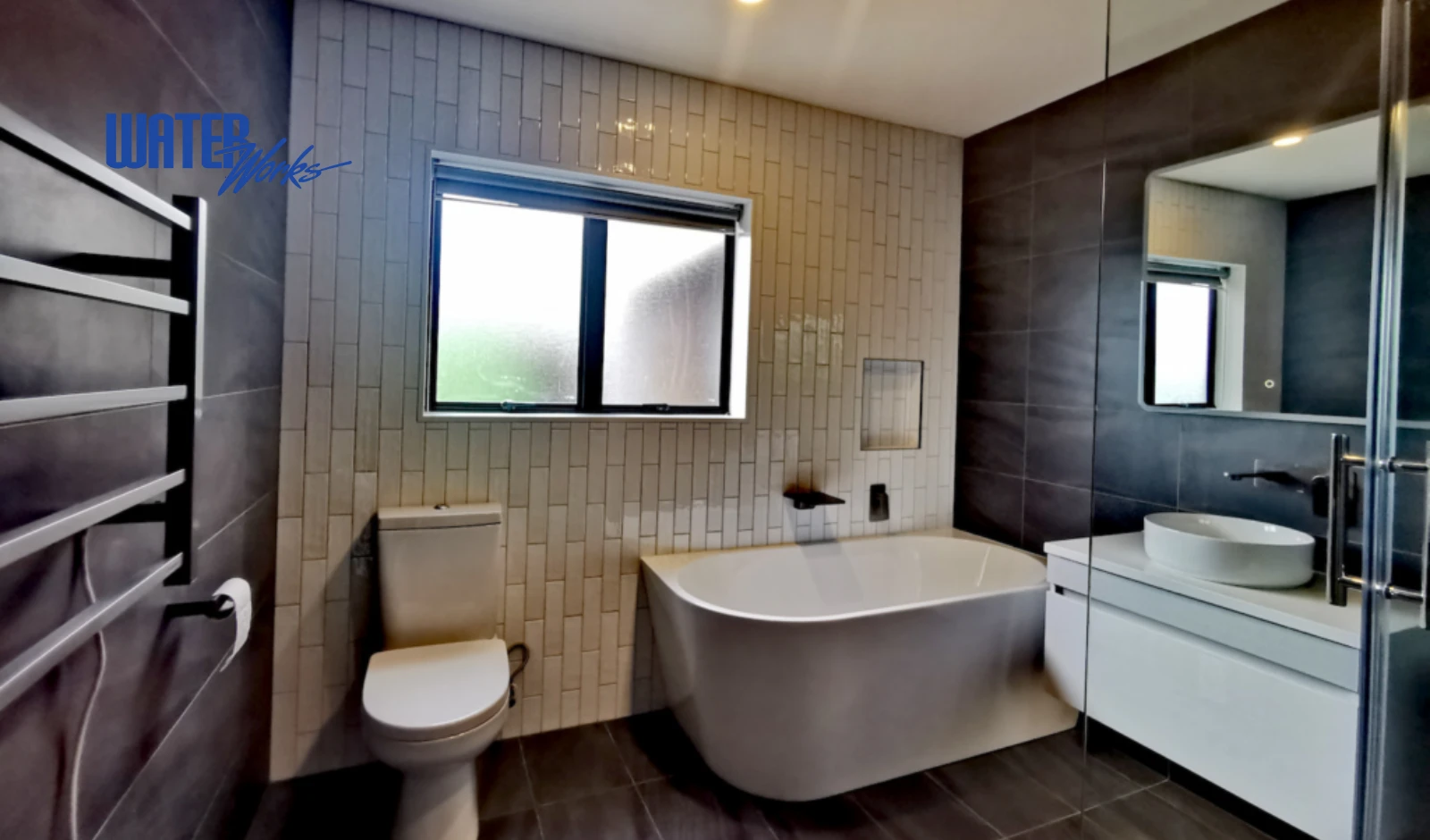
A full bathroom typically includes a toilet, sink, shower, or bath. Some homes also include wall-hung toilets to save space or create a modern look.
Plumbing and Toilet Systems
From a plumbing perspective, both WC and toilet rely on the same systems. Each toilet connects to a water supply and a waste pipe. Problems like leaks, blockages, or flushing issues affect both equally.
If a toilet stops working or leaks, it is best to find a plumber who understands modern plumbing systems. In urgent cases, emergency plumbers can respond quickly to prevent damage.
Why the Difference Still Matters
Understanding the difference between WC and toilet helps when reading floor plans, booking accommodation, or planning renovations. Real estate listings may use WC to describe a separate toilet room, while “toilet” may refer to a fixture.
Clear language avoids confusion, especially when you find a plumber, builder, or designer.
Final Thoughts
The debate of WC vs toilet is more about language than function. A toilet is the fixture, while WC stands for water closet and often refers to the room. In modern homes, both terms are widely understood and often used interchangeably.
Knowing the difference helps when planning spaces, discussing repairs, or understanding building layouts. Clear communication leads to better results and fewer misunderstandings.
Need Help with Toilet or Bathroom Plumbing?
If you have questions about toilet setups, WC layouts, or need help with plumbing changes in your bathroom, professional support can make the process easier and safer. Whether you’re planning an update or want advice on the right setup for your space, expert guidance helps avoid mistakes and future issues.
Call 0800 448 372 or book online and save $15. Our experienced team is ready to respond quickly and safely.
Discover more
news and tips
Discover our wide range of plumbing blogs showcasing everything from home renovations to large-scale commercial installations.


Contact us today about your Auckland plumbing needs
24/7 Affordable Plumbing Services for Auckland Homes and Businesses. For all emergency jobs please call us on 09 846 4458.