

Learn how to unblock a waste disposal unit, common causes of clogs, and when to call a plumber for safe residential plumbing help.
How to Unblock a Waste Disposal Unit: A Guide
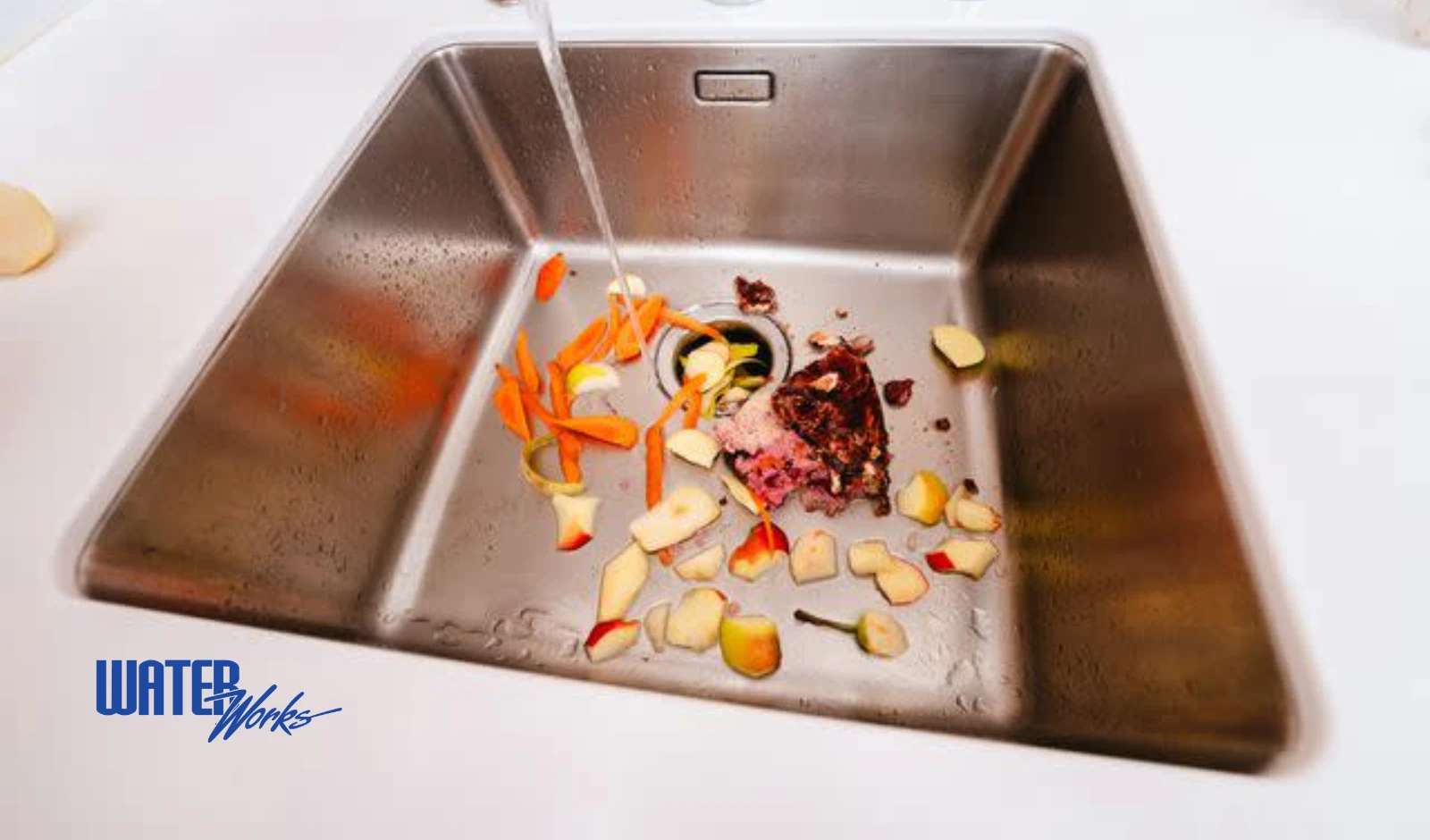
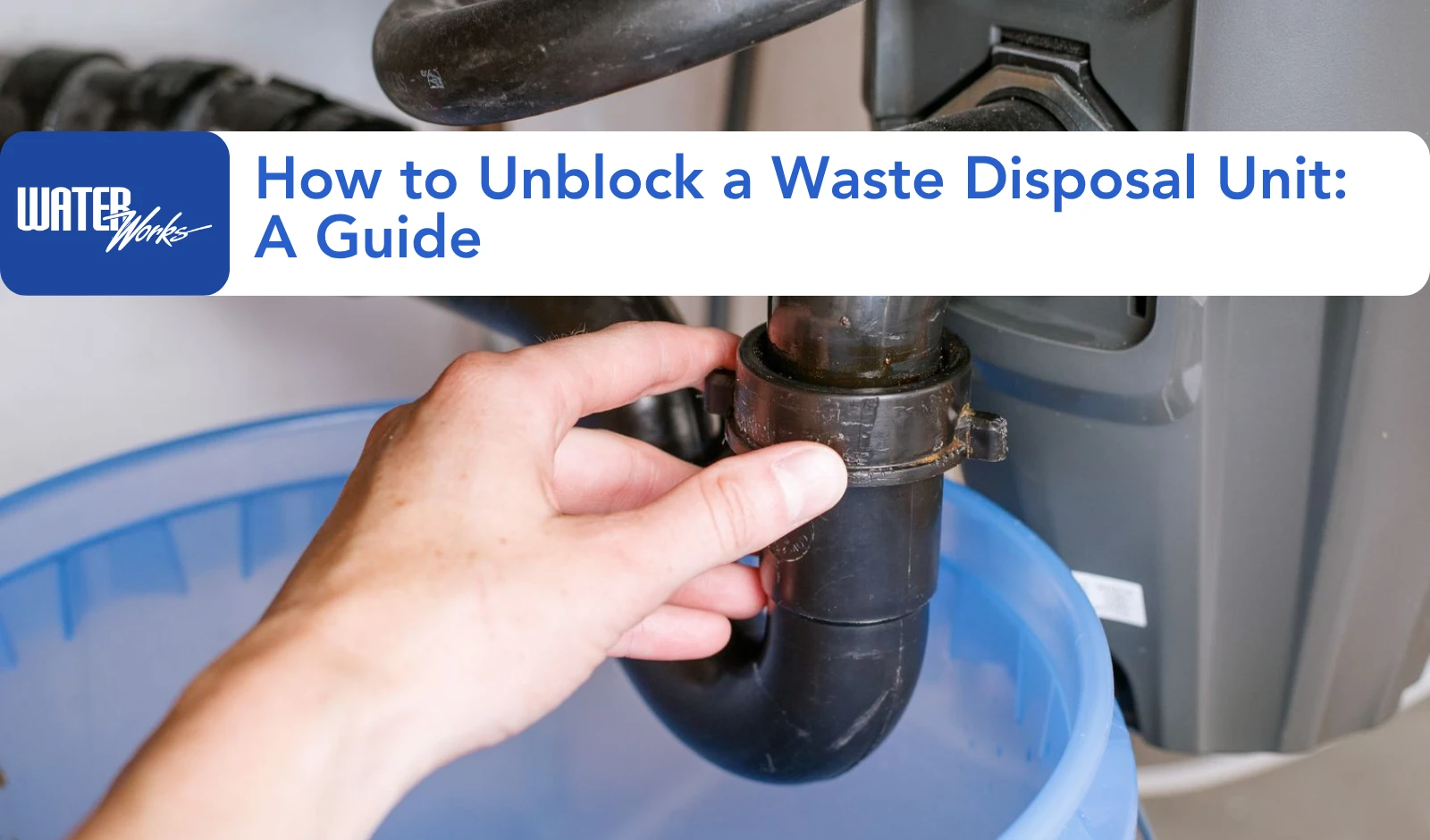
A waste disposal unit is a practical addition to any modern kitchen. It helps break down food waste into smaller particles so they can pass through your residential plumbing system more easily. This makes cleaning up after meals faster and more convenient.
However, like any part of your plumbing, it requires proper use and maintenance. Over time, garbage disposal clogs can develop, leading to unpleasant smells, slow drainage, or even a completely clogged garbage disposal. When this happens, it can affect your entire kitchen sink and disrupt your daily routine. Understanding what causes these issues and how to deal with them can help you fix minor problems early and prevent future damage.
Why Garbage Disposals Get Clogged
Many homeowners ask why garbage disposals get clogged so easily. The answer usually comes down to what goes into the unit and how it is used.
Common causes include:
- Food waste buildup - Small food particles may seem harmless, but over time, they can collect inside the unit and pipes, forming a stubborn blockage.
- Coffee grounds - Although fine in texture, coffee grounds can clump together and create a dense layer that restricts water flow.
- Fats, oils and grease - Fats, oils are one of the leading causes of plumbing problems. They may go down as liquid, but they can cool, harden, and stick to the inside of pipes.
- Problem food items - Certain food items are more likely to cause trouble, including:
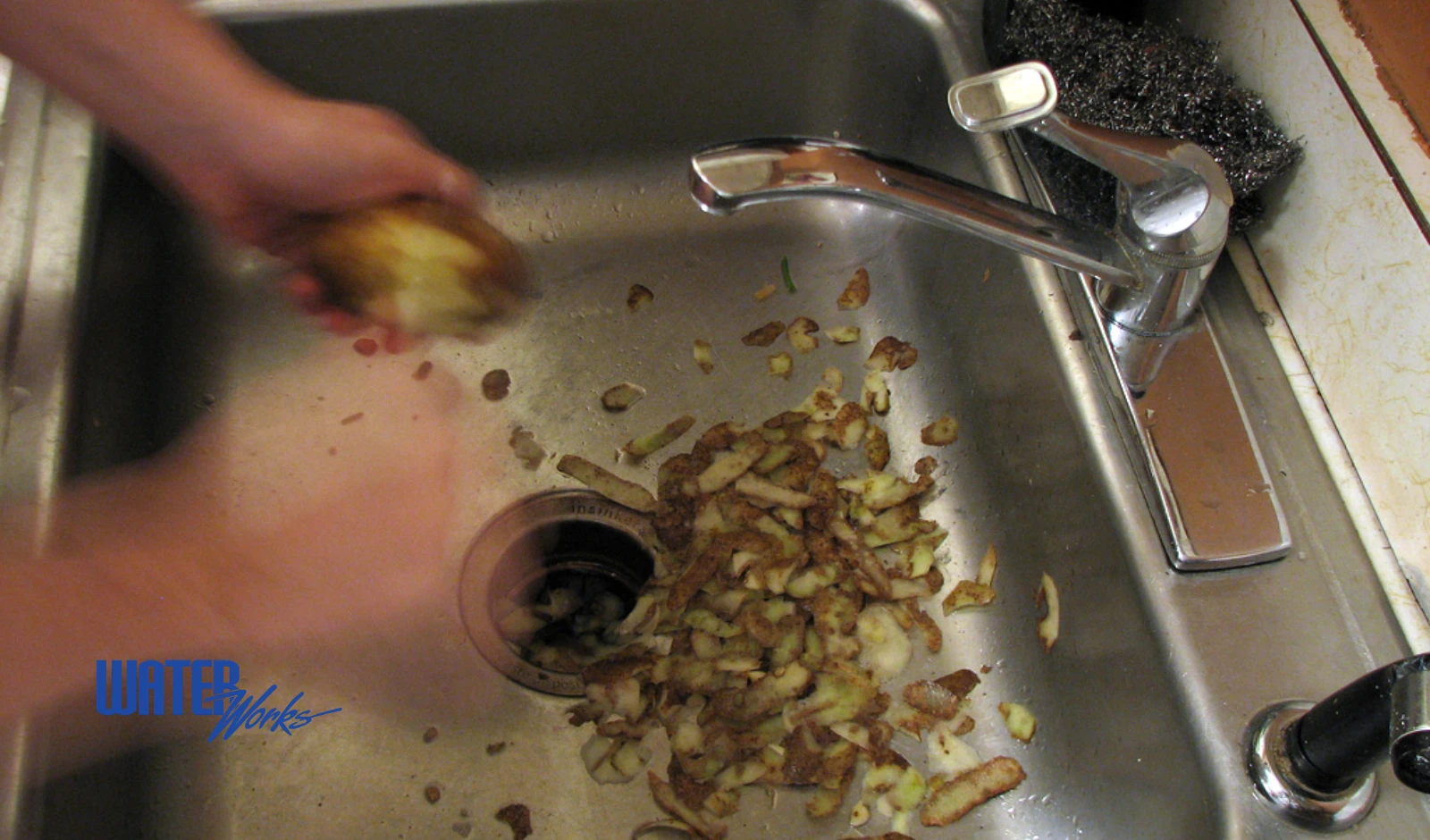
- Potato peels
- Corn husks
- Fibrous vegetables
These can wrap around the blades or create a thick paste that leads to garbage disposal clogs.
Signs of a Clogged Garbage Disposal
A clogged garbage disposal usually shows clear warning signs. Recognising these early can help you act before the problem worsens.
You may notice:
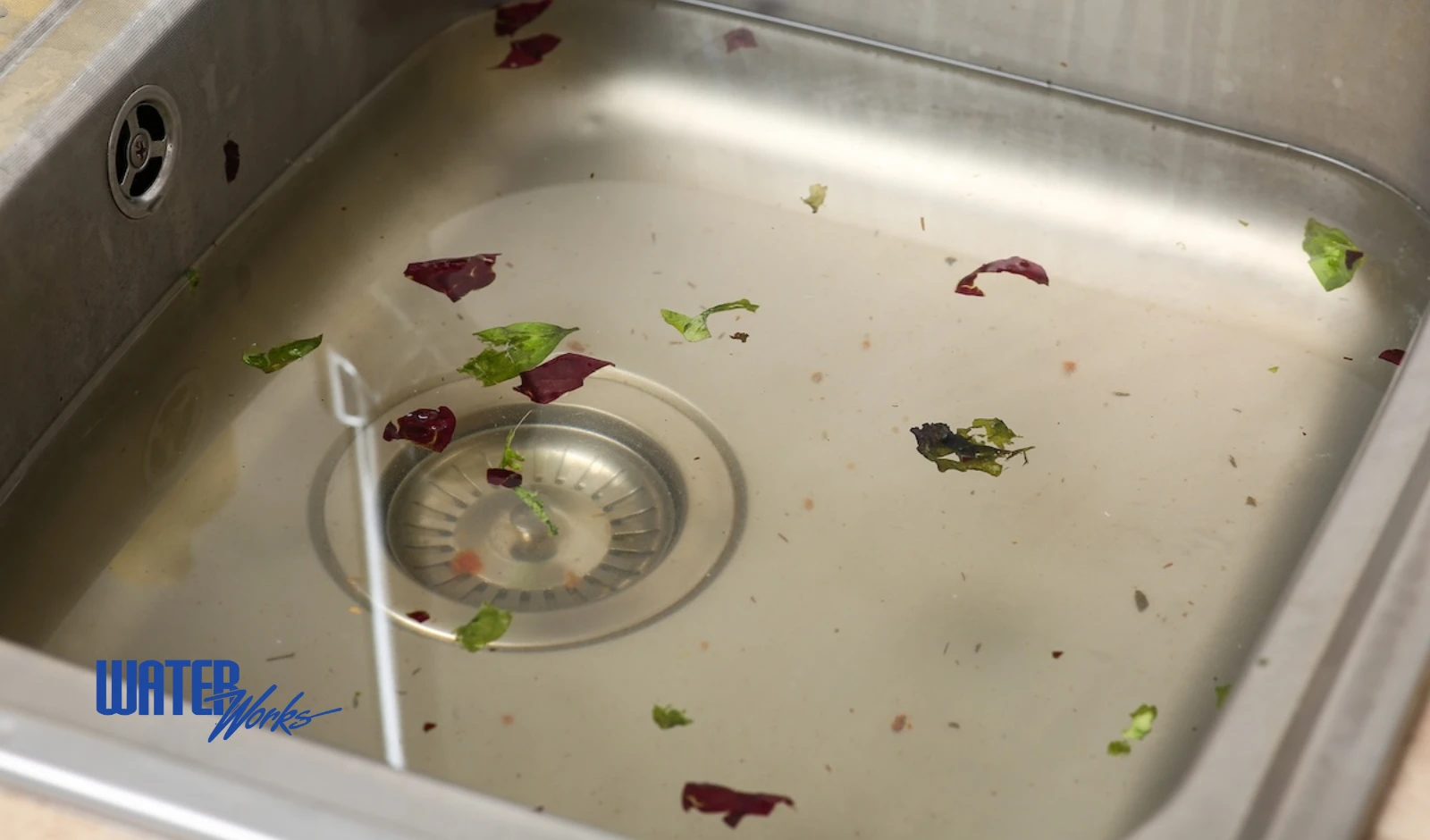
- Water is draining slowly from the kitchen sink
- A humming sound without proper grinding
- Water is backing up into the sink
- Unpleasant odours coming from the unit
These signs often indicate that food particles or food waste are stuck inside the system.
Simple Ways to Help Clear Minor Blockages
If the clog is minor, there are a few simple methods you can try before calling a professional.
- Baking Soda and Vinegar Method - Start by pouring a cup of baking soda into the unit, followed by vinegar. The reaction can help break down light buildup and loosen debris.
- Running Cold Water - Always use running cold water when operating your waste disposal unit. This helps solidify fats and oils so they can be chopped up and flushed through the system instead of sticking to pipes.
- Hot Water Rinse - After loosening the blockage, a flush of hot water may help clear away grease and residue. However, hot water alone is not always enough to fix deeper garbage disposal clogs.
- Use of Drain Cleaners - While some people turn to drain cleaners, these should be used with caution. Harsh chemicals can damage your pipes or disposal unit if used incorrectly.
These methods are most effective for early-stage issues. If the problem persists, the blockage may be deeper within your residential plumbing system.
What Not to Put in a Waste Disposal Unit
Knowing what to avoid is one of the best ways to prevent clogs.
Avoid these items:
- Potato peels - They can form a starchy paste that sticks to pipes and causes blockages.
- Corn husks - Their fibrous texture can wrap around components and stop the unit from working properly.
- Citrus peels (in large amounts) - While small amounts may help with odours, too many citrus peels can build up over time.
- Grease and fats oils - These are among the most common causes of a clogged garbage disposal.
- Large food items - Putting too many food items into the unit at once can overwhelm the system.
Being mindful of these can significantly reduce the risk of garbage disposal clogs.
Why Regular Care Helps Prevent Future Problems
Routine maintenance plays an important role in keeping your system working properly and helping to prevent future issues.
Good habits include:
- Always use the disposal with running cold water
- Avoiding fats, oils and problematic food items
- Cleaning the unit regularly to remove buildup
- Breaking food waste into smaller portions before disposal
These simple steps can help extend the life of your unit and reduce the chances of needing repairs.
When to Call a Plumber
Not all clogs can be fixed with home remedies. If your waste disposal unit continues to have problems, it may be time to find a plumber.
A professional plumber can:
- Inspect the unit safely
- Identify hidden blockages
- Clear debris without damaging the system
- Check your wider residential plumbing for related issues
Trying to force a fix without the right tools can sometimes make the problem worse.
When to Contact Emergency Plumbers
Some situations require urgent attention. You may need emergency plumbers if:
- Water is backing up quickly into the kitchen sink
- The disposal unit suddenly stops working
- There is a risk of overflow or flooding
- The blockage is causing damage to your plumbing system
Emergency plumbers are equipped to respond quickly and resolve serious issues before they escalate.
Final Thoughts
A blocked waste disposal unit can disrupt your kitchen and daily routine. Most clogs happen because of food waste, grease, or problematic food items.
Simple cleaning methods may help with minor issues. However, deeper blockages often require professional help. A trusted plumber can inspect your system, remove clogs, and help keep your residential plumbing system working properly.
Reliable Help for Disposal Unit Problems
Blocked disposal units can cause stress and lead to larger plumbing problems if not handled early.
Water Works provides reliable residential plumbing services for disposal unit issues, drain cleaning, and plumbing repairs across Auckland. Call 0800 448 372 or book online and save $15. Our experienced team is ready to respond quickly and safely.
Discover more
news and tips
Discover our wide range of plumbing blogs showcasing everything from home renovations to large-scale commercial installations.


Contact us today about your Auckland plumbing needs
24/7 Affordable Plumbing Services for Auckland Homes and Businesses. For all emergency jobs please call us on 09 846 4458.