

Learn the causes of pipe corrosion, warning signs to watch for, and how professional plumbing maintenance can help prevent costly repairs.
Pipe Corrosion: What Causes It and How to Prevent It
Pipe corrosion often starts of sight, but it can lead to leaks, poor water quality, and costly repairs if left untreated. Small signs like discoloured water, low water pressure, or stains on pipes may indicate that corrosion is already affecting your plumbing system.
Many homeowners are surprised to learn that factors such as water quality, moisture, and the materials used in their pipes can all contribute to corrosion. Understanding the causes of pipe corrosion and what causes corrosion on the outside of copper pipes can help you identify problems early and protect your home's plumbing before minor issues turn into major repairs.
What Is Pipe Corrosion?
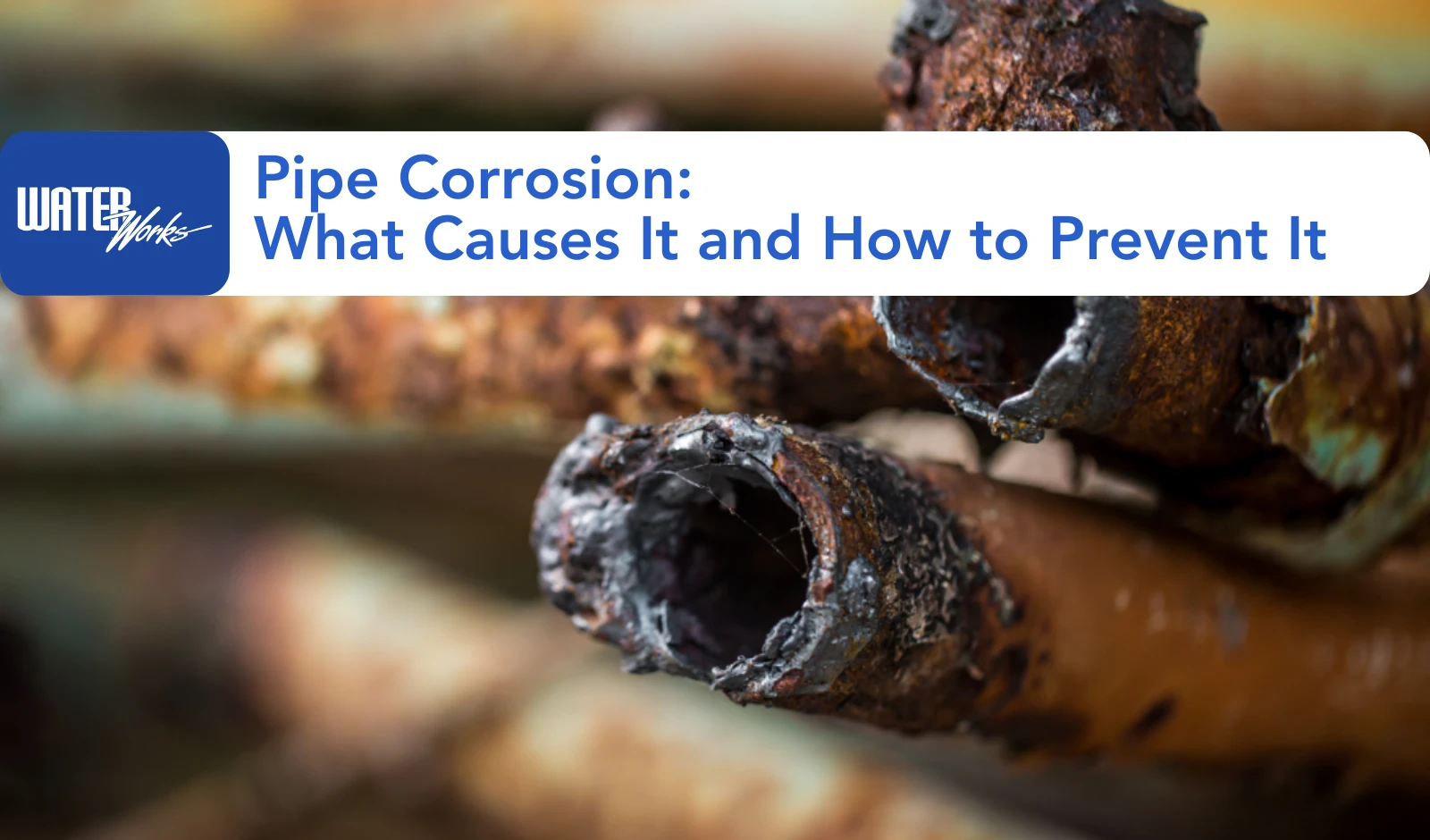
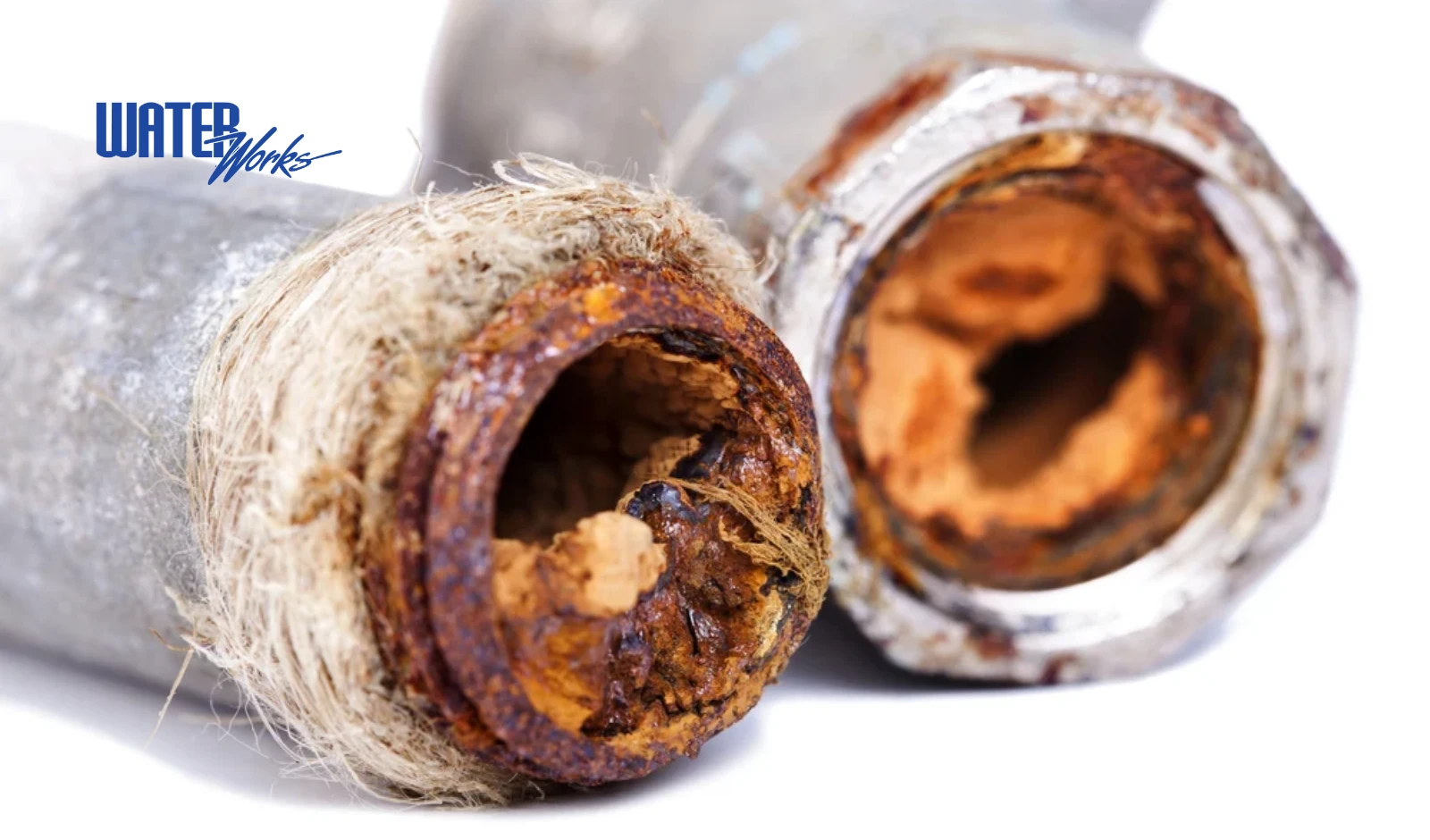
Pipe corrosion occurs when metal reacts with water, oxygen, or other substances and slowly breaks down. This process can happen inside or outside the pipe.
As corrosion develops, pipes become weaker. Over time, corrosion may create leaks, reduce water flow, and affect the overall plumbing system. If ignored, corroded pipes can eventually require replacement.
Common Causes of Pipe Corrosion
Several factors can cause pipe corrosion, including:
- Poor water quality – Minerals, chemicals, and acid waters can damage pipes over time.
- Dissolved oxygen – Oxygen in the water can react with metal surfaces and accelerate corrosion.
- Galvanic corrosion – This occurs when different metal pipes, such as copper piping and steel pipes, are connected.
- Moisture and leaks – Ongoing moisture can cause corrosion, especially on the outside of pipes.
Regular plumbing maintenance can help identify corrosion early and prevent costly long-term damage.
What Causes Corrosion on the Outside of Copper Pipes?
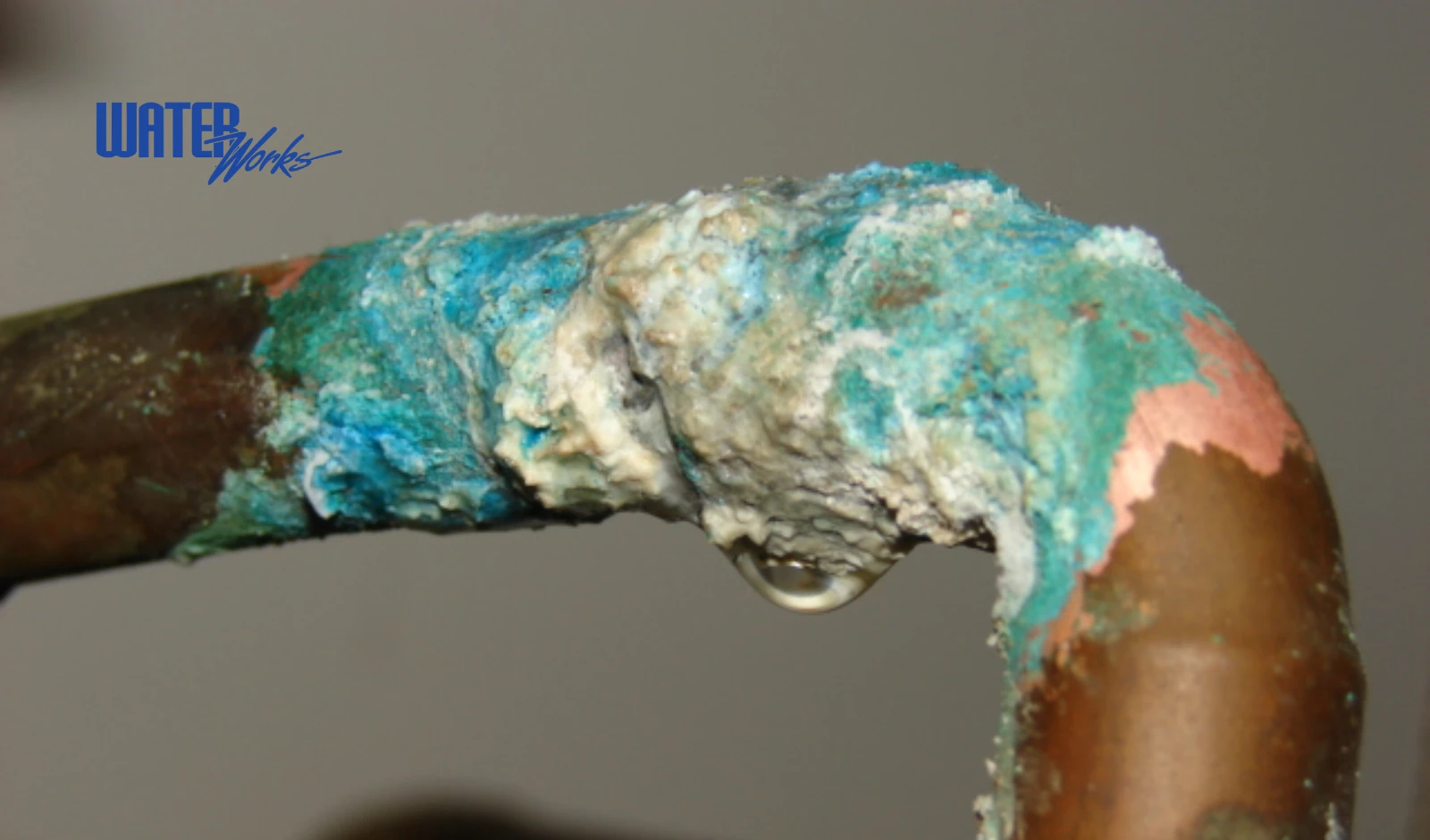
Many homeowners first notice corrosion when green, blue, or white stains appear on the outside of copper pipes. This type of damage usually develops when moisture remains on the pipe surface for long periods. Condensation, high humidity, and small leaks are some of the most common causes of corroding copper.
Over time, constant moisture can weaken the outer layer of the pipe and increase the risk of damage. While the corrosion may appear minor at first, it can become a larger plumbing issue if left untreated.
Signs of Corroded Pipes
Corrosion often develops slowly, but several warning signs may indicate a problem:
- Discoloured water
- Reduced water pressure
- Leaks around water pipes
- Green or blue stains on copper piping
- Rust on metal pipes
One serious type of damage is pitting corrosion. This creates tiny holes in the pipe that can eventually lead to leaks and water damage. If you notice any of these signs, it may be time to find a plumber for an inspection.
How to Prevent Pipe Corrosion
Regular plumbing maintenance is one of the best ways to prevent pipe corrosion. Professional inspections can identify early signs of damage, while repairing small leaks and monitoring water quality can help protect your pipes.
Addressing problems early helps extend the life of your plumbing system and reduces the risk of costly repairs.
Final Thoughts
Pipe corrosion is a common issue that can affect copper piping, steel pipes, and other metal pipes. Poor water quality, dissolved oxygen, moisture, and galvanic corrosion can all contribute to pipe damage over time.
If corrosion is not addressed, it can lead to leaks, reduced water flow, and costly water damage. Regular inspections and professional plumbing services can help protect your plumbing system and keep your pipes in good condition.
Stop Pipe Corrosion Before It Leads to Costly Repairs
Pipe corrosion can start small, but it can quickly lead to leaks, water damage, and expensive repairs. A professional inspection can identify corrosion early and help protect your plumbing system before the damage spreads.
Trust Water Works for reliable plumbing services and expert support. Call 0800 448 372 or book online and save $15. Our experienced team is ready to respond quickly and safely.
Discover more
news and tips
Discover our wide range of plumbing blogs showcasing everything from home renovations to large-scale commercial installations.


Contact us today about your Auckland plumbing needs
24/7 Affordable Plumbing Services for Auckland Homes and Businesses. For all emergency jobs please call us on 09 846 4458.