

Worried about gas safety? Learn how to find a gas leak in your home, recognise warning signs early, and know when to call a licensed professional.
How to Find a Gas Leak in Your Home Safely | Water Works
.webp)
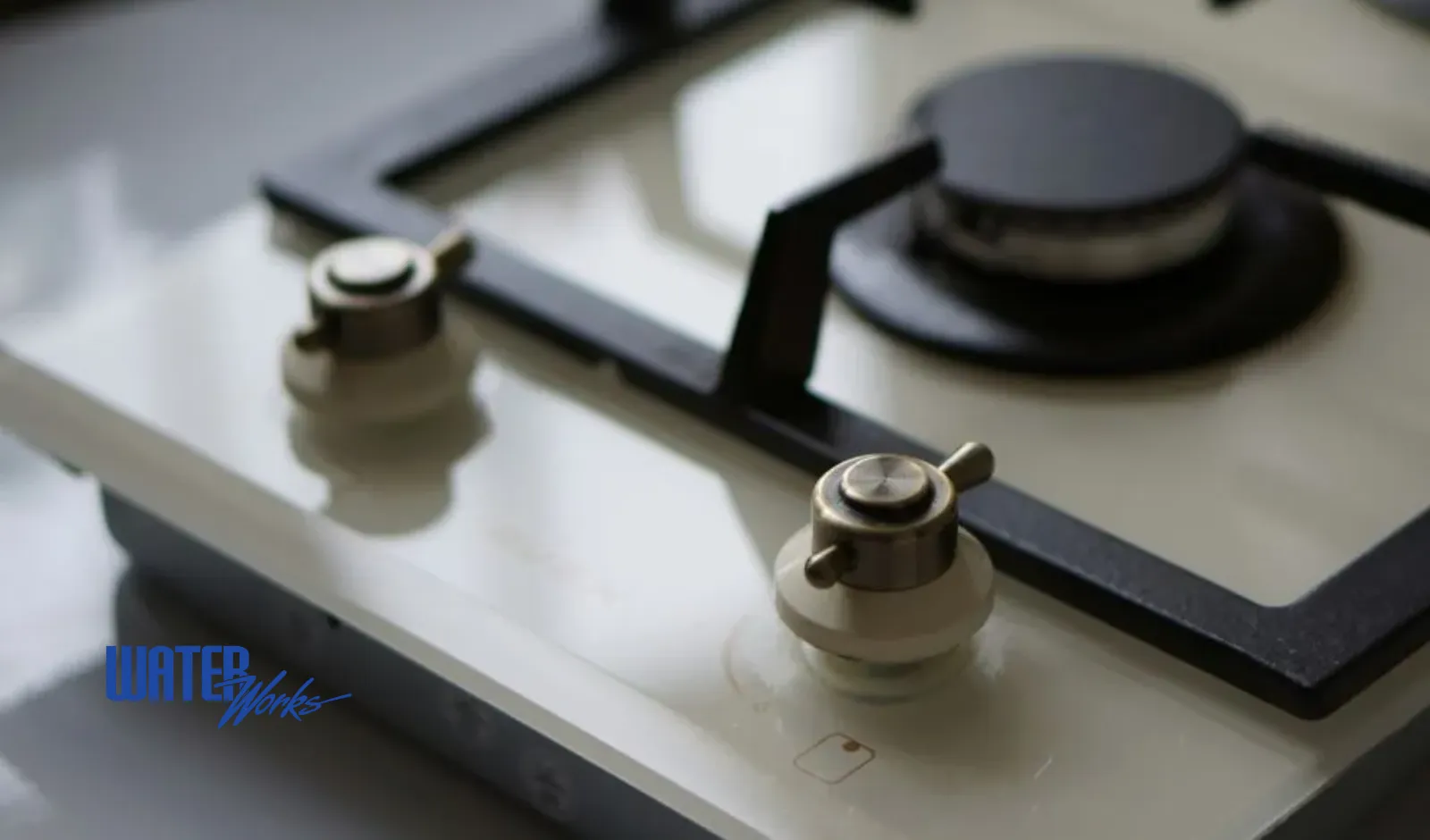
Gas leaks are a serious safety risk and should never be ignored. Knowing how to find a gas leak in your home can help protect your family, your property, and your health. In many cases, people only realise there is a problem when they smell gas or start feeling unwell, but by then the situation may already be dangerous.
This guide explains how to spot early warning signs, why gas leaks happen, the health risks involved, and what to do if you suspect a gas leak in your home or building.
What Causes Gas Leaks in Properties
A gas leak can occur in any property that uses gas, including houses, apartments, and commercial buildings. Most leaks develop slowly over time rather than happening suddenly.
Common causes include ageing gas lines, loose fittings, worn seals, and general wear around gas appliances. Renovations, ground movement, or vibration can also affect pipe connections. In some cases, natural gas leaks occur because older systems have not been inspected or maintained regularly.
In residential plumbing, leaks often develop around appliances that are used daily, especially when systems are not serviced.
Key Warning Signs You Should Not Ignore
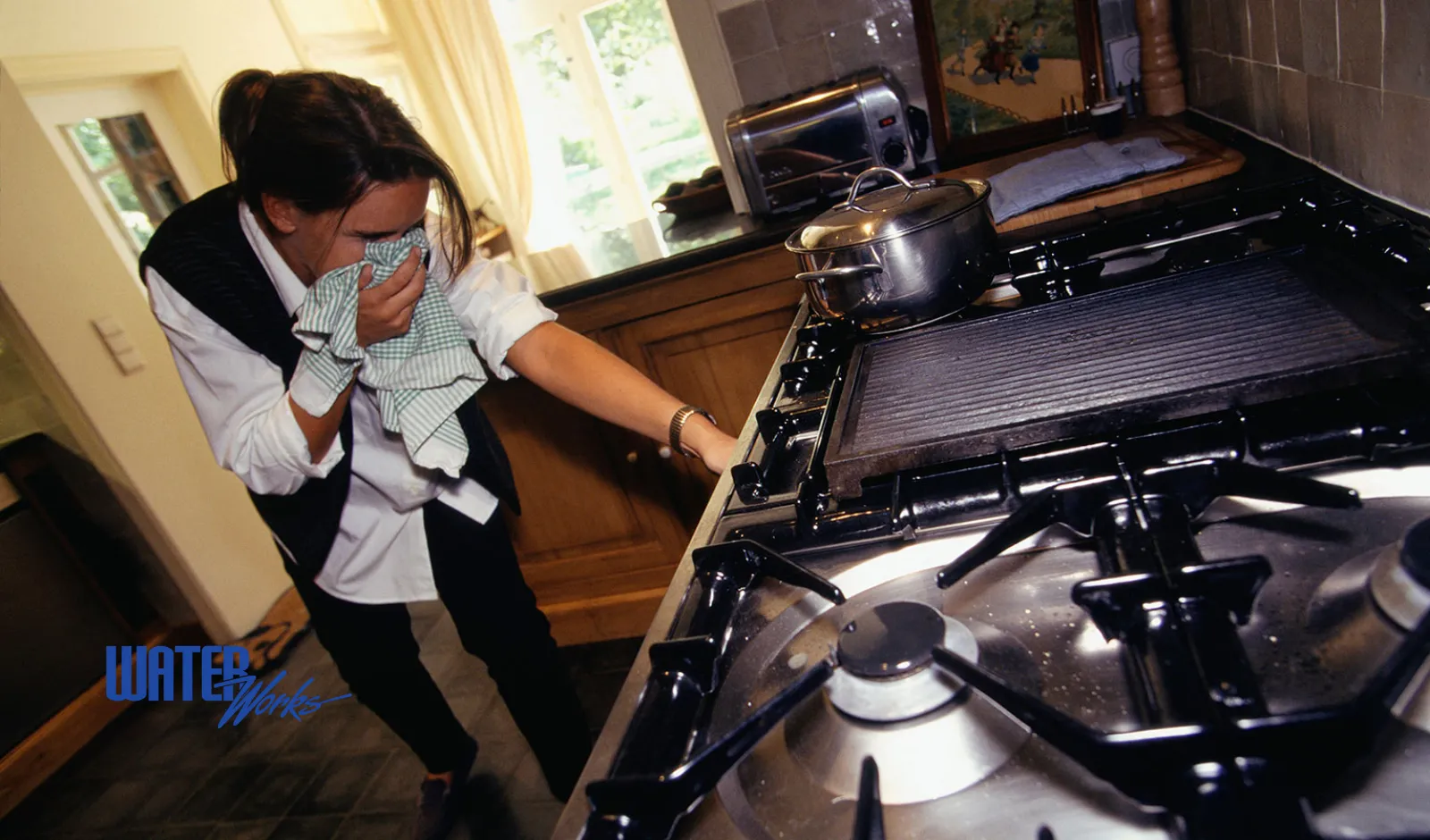
Knowing the signs of a gas leak helps you act early before the situation becomes dangerous. Some signs are subtle, especially when a leak is small.
Common warning signs include:
- A strong smell like a rotten egg
- Smelling gas when appliances are switched off
- A hissing or whistling sound near a gas line
- Gas appliances showing an orange or red flame instead of a blue flame
- Pilot light problems or flames going out often
- Feeling dizzy, tired, sick, or getting headaches indoors
- Dead plants near outdoor gas lines
- A sudden rise in gas usage without explanation
If you notice any of these signs, you may have leaking gas in your home and should treat it as urgent.
Why Gas Leaks Are So Dangerous
Gas leaks create serious health risks. Breathing in gas can cause dizziness, nausea, breathing problems, and fatigue. Long-term exposure increases the risk of carbon monoxide poisoning, which can be life-threatening.
Gas can also build up quickly in enclosed spaces. If it meets open flames, pilot lights, or electrical sparks, it can cause a fire or explosion. This is why gas safety rules are strict and professional help is essential.
How to Find a Gas Leak Safely at Home
If you are trying to understand how to find a gas leak in a house, safety must come first. You should never attempt repairs yourself.
If you suspect a gas leak:
- Open windows and doors to ventilate the area
- Stay away from open flames and do not light matches
- Do not turn electrical switches on or off
- Leave the building if the smell is strong or you feel unwell
Some people attempt a soapy water test on exposed pipes. While bubbles can sometimes help detect a gas leak on visible fittings, this method cannot find hidden leaks and should never replace professional testing.
How Professionals Detect Gas Leaks
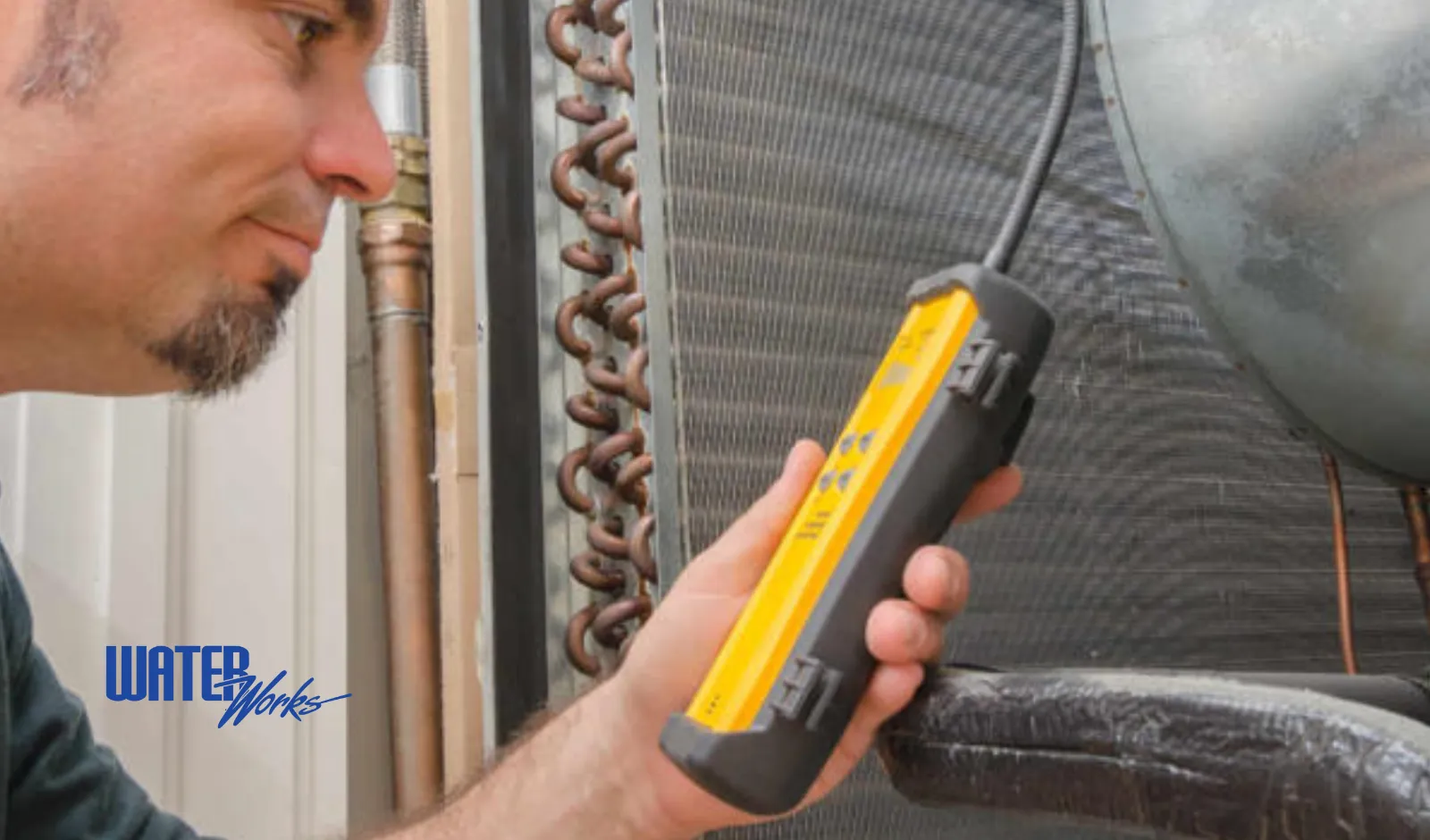
Licensed plumbers use specialised tools to detect a gas leak safely and accurately. Professional gas leak detection is far more reliable than DIY checks and does not damage walls or fittings.
Detection methods may include:
- Electronic gas leak detector equipment
- Pressure testing along the gas line
- Careful inspection of gas appliances and pilot light connections
- Checks for natural gas leaks behind walls or underground
This allows plumbers to locate the exact source of the leak and fix it safely.
Gas Leaks in Commercial Properties
In business and workplace settings, gas systems are often larger and used every day. Restaurants, offices, and workshops place higher demand on gas lines, which increases wear and the risk of leaks.
A gas leak in a commercial building can interrupt operations, put staff and customers at risk, and create compliance issues. Early professional detection is critical in these environments.
Why DIY Gas Leak Checks Are Risky
Trying to test or fix a gas leak yourself is unsafe. Without the right tools or training, it is easy to make the problem worse.
DIY risks include increased gas flow, damaged fittings, missed hidden leaks, and ignition hazards. Many serious incidents happen when people delay calling emergency plumbers.
When to Call a Licensed Plumber
Call professionals immediately if you smell gas, hear hissing, feel unwell indoors, or notice ongoing signs of a leak in your home.
Experienced plumbers in Auckland can assess the situation safely, detect the leak accurately, and carry out repairs that meet gas safety standards.
Final Thoughts
Knowing how to find a gas leak in your home is about recognising warning signs, understanding the risks, and acting quickly. Gas leaks should never be ignored or treated as a DIY issue.
At Water Works, professional gas leak detection and repair help protect your health, your home, and everyone inside it. If you suspect a gas leak, always choose qualified help and act without delay.
Need Help With a Suspected Gas Leak?
If you think there may be a gas leak in your home or building, do not wait.
Call 0800 448 372 or book online and save $15. Our emergency plumbers are available across Auckland to handle gas leaks safely and professionally.
Discover more
news and tips
Discover our wide range of plumbing blogs showcasing everything from home renovations to large-scale commercial installations.


Contact us today about your Auckland plumbing needs
24/7 Affordable Plumbing Services for Auckland Homes and Businesses. For all emergency jobs please call us on 09 846 4458.