

Learn how to clean a kitchen drain, remove bad smells, and know when to call a plumber for stubborn clogs.
How to Clean Kitchen Drain and When to Call a Professional
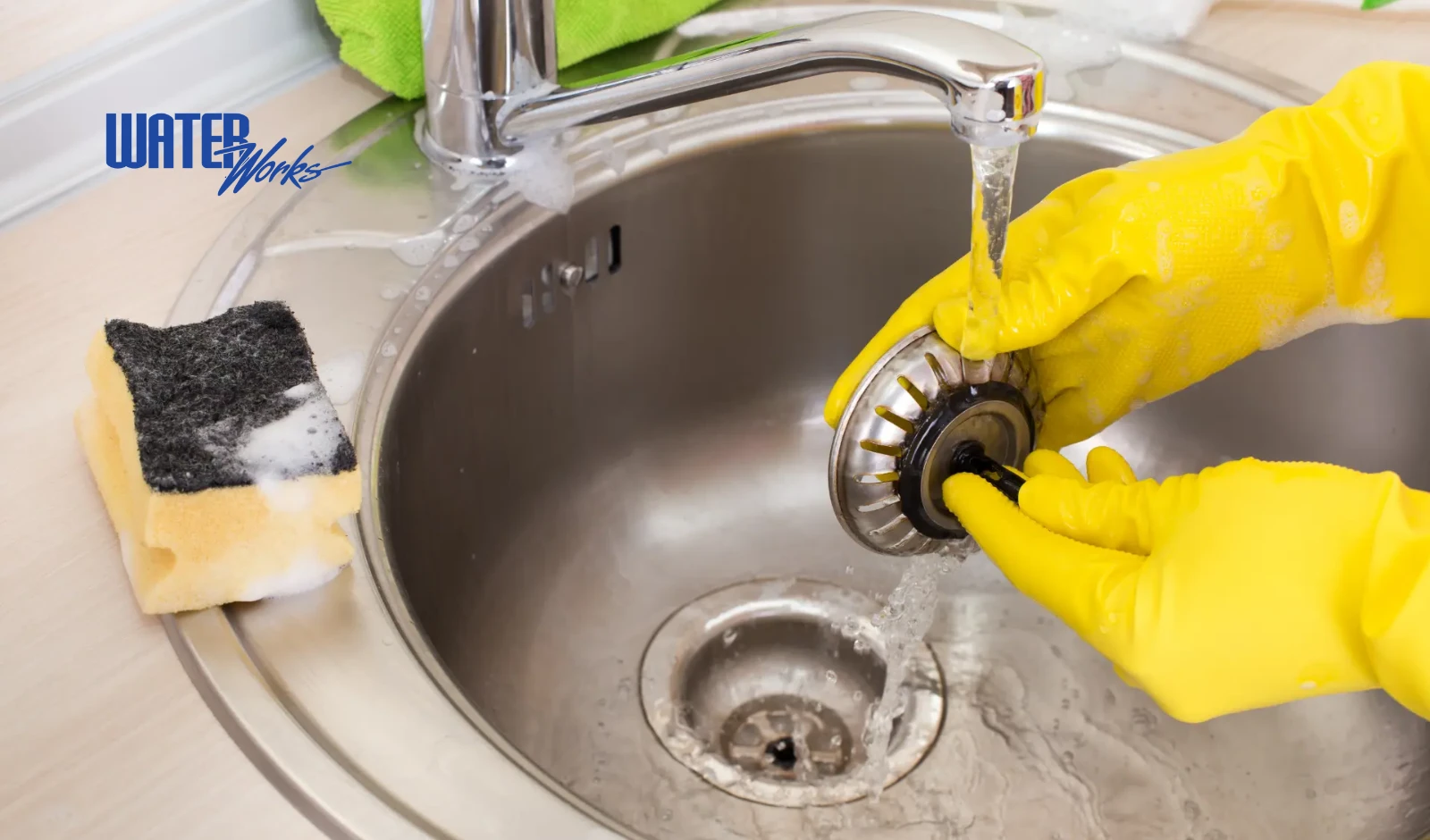

A bad smell coming from your kitchen sink can quickly make your whole home feel unpleasant. It’s common to look for simple ways to clean a kitchen drain and how to clean a stinky kitchen drain without calling for help. Problems often become noticeable once a stinky drain, foul odours, or slow drainage start affecting the sink.
In many cases, the problem starts with food particles, grease, and soap buildup inside the kitchen sink drain. While simple cleaning methods can help at first, some problems require professional residential plumbing service.
This guide explains safe cleaning steps, why drains smell, and when it’s time to find a plumber.
Why Your Kitchen Sink Drain Smells
Your kitchen sink drain collects more than water. Every time you rinse dishes, grease and small food scraps travel down the pipe. Over time, these food particles stick to the pipe walls.
When grease and waste sit in a warm pipe, bacteria grow. This causes a strong sink smell, sometimes similar to rotten eggs. If you ignore the problem, the buildup can turn into a clog.
If you have a garbage disposal, leftover waste inside the unit can also create a stinky drain.
Step 1: Run Hot Water
Start simple. Run hot water through the drain for several minutes. This helps loosen grease.
For deeper cleaning, carefully pour a pot of boiling water slowly down the drain. Boiling water down the drain helps melt the buildup and flush the drain.
If your plumbing is older, avoid very frequent use of extremely hot water.
Step 2: Use Baking Soda and Vinegar
A natural cleaning method works well for mild smells.
- Pour a cup of baking soda into the kitchen sink drain.
- Add a cup of vinegar.
- Let it sit for 30 minutes.
The baking soda and vinegar reaction breaks down buildup and reduces odours. After waiting, run hot water to flush the drain completely.
This method works best for minor sink smell problems and light surface buildup only. It may freshen the drain temporarily, but it will not fix deeper clogs or serious plumbing issues.
Step 3: Clean the Garbage Disposal
If you have a garbage disposal, clean it separately.
- Drop in several ice cubes
- Add a small amount of baking soda
- Run hot water while turning it on
Ice cubes help knock loose buildup inside the blades. This simple step often removes hidden odour sources.
When DIY Cleaning Is Not Enough
If the smell keeps coming back, the blockage may be deeper in the pipe. Signs that you need professional help include:
- Water draining slowly
- Gurgling sounds
- Water backing up
- Persistent foul odours
- Repeated clogs
These issues often point to deeper buildup or blocked plumbing lines.
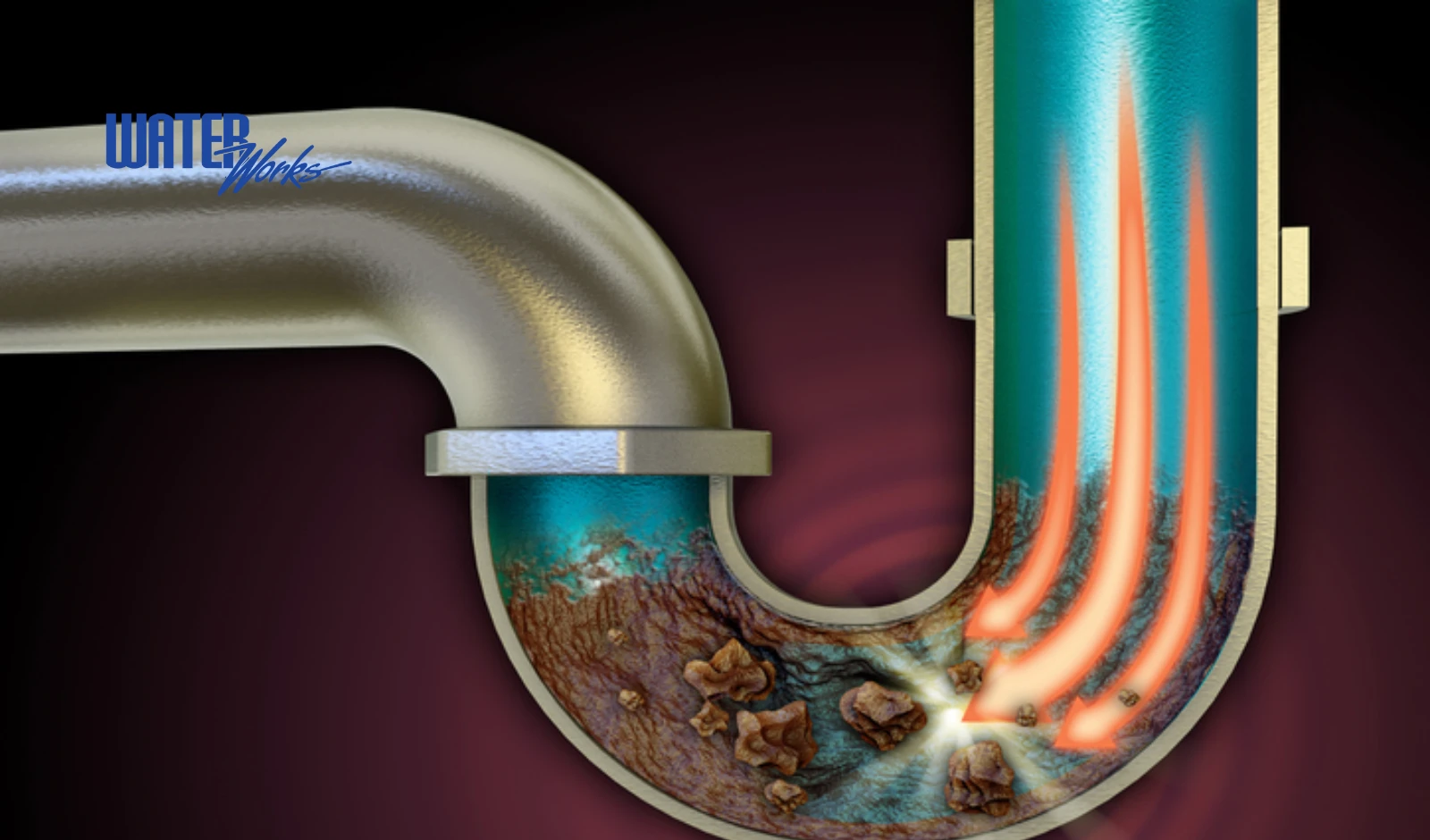
Hidden Plumbing Issues
Sometimes, drain smells are linked to larger plumbing concerns. Improper hot water cylinder installation, blocked vent pipes, or deeper sewer issues may contribute to odour problems.
If multiple drains smell at once, a full plumbing inspection is recommended.
Avoid Overusing Chemical Drain Cleaners
Many people reach for a chemical drain cleaner when odours continue. While these products may clear minor clogs, they can damage pipes over time.
Frequent use of strong drain cleaners may weaken joints, especially in older residential plumbing systems. Instead of repeated chemical use, it is safer to find a plumber who can diagnose the real cause.
Professional Drain Cleaning Services
Professional plumbers use safe tools and equipment to remove grease, food buildup, and blockages without harming your pipes. They can inspect the entire system to ensure nothing else is causing the issue.
Services like Water Works provide experienced teams who understand residential plumbing systems and know how to restore proper drainage safely.
If your drain issue turns urgent, emergency plumbers can respond quickly to prevent further damage.
Preventing Future Drain Problems
Keeping your kitchen drain clean reduces the risk of future problems. Follow these habits:
- Do not pour grease down the sink
- Scrape plates into the rubbish first
- Run hot water after washing dishes
- Clean your garbage disposal weekly
- Use baking soda and vinegar monthly
Preventive care protects your plumbing and avoids expensive repairs.
Final Thoughts
Learning how to clean kitchen drain systems properly can solve minor odour problems. Natural solutions like baking soda and vinegar help with small buildup and grease.
However, if you continue to notice a stinky drain, slow water flow, or recurring clogs, the issue may be deeper in the plumbing system. Professional service protects your pipes and ensures the problem is fully resolved.
Professional Drain Cleaning You Can Trust
If your kitchen sink drain smells bad or keeps clogging, don’t wait for the problem to grow worse. Professional support restores clean drainage and protects your plumbing system.
Call 0800 448 372 or book online and save $15. Our experienced team is ready to respond quickly and safely.
Discover more
news and tips
Discover our wide range of plumbing blogs showcasing everything from home renovations to large-scale commercial installations.


Contact us today about your Auckland plumbing needs
24/7 Affordable Plumbing Services for Auckland Homes and Businesses. For all emergency jobs please call us on 09 846 4458.