

Learn how to clean drains at home with safe methods and know when to call a plumber for stubborn clogs and slow drainage.
How to Clean Drains: Simple Home Guide
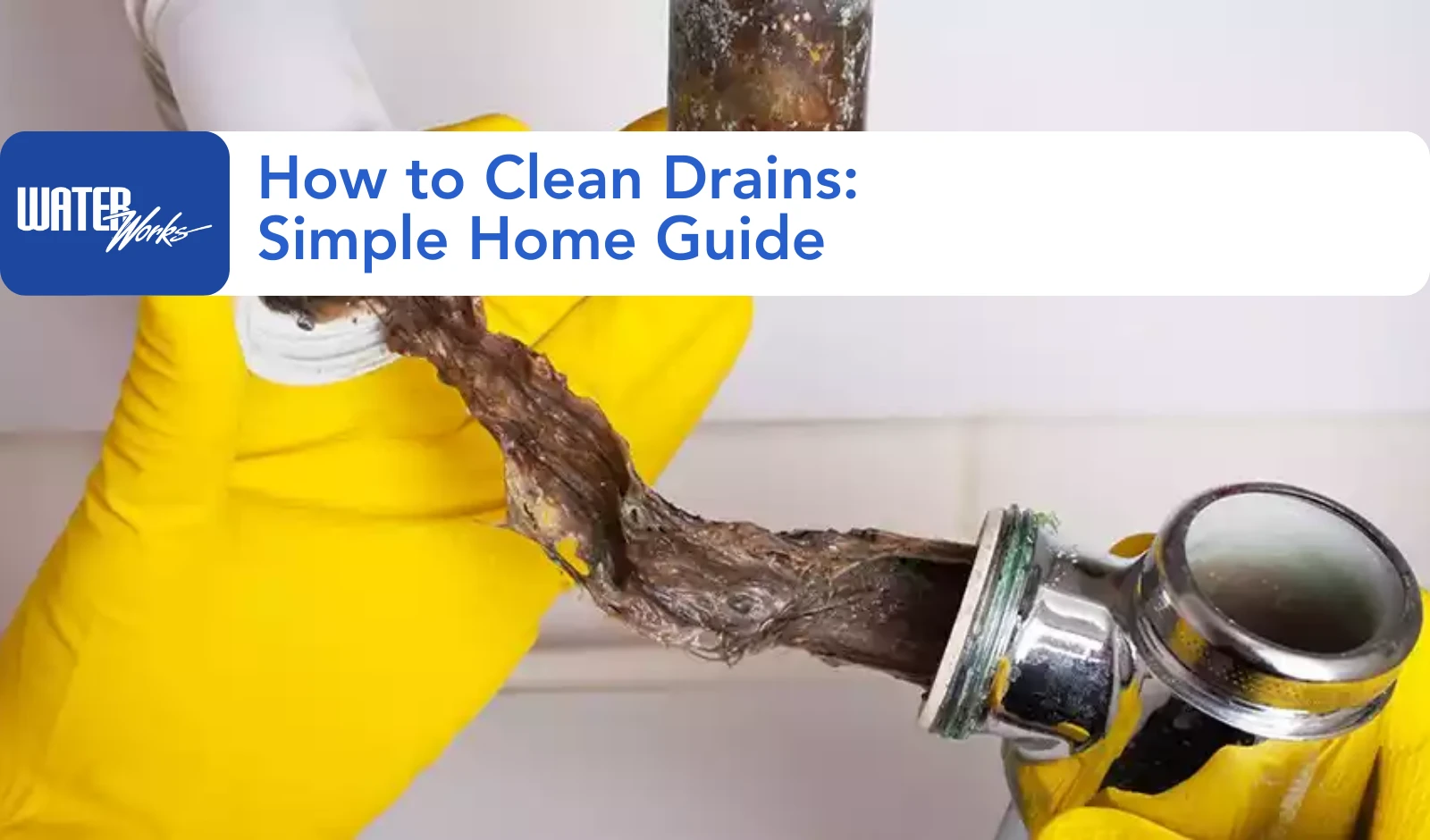
Drains work hard every day in kitchens, bathrooms, and laundry areas. Over time, grease, soap residue, and food scraps build up inside the pipes. When this happens, water moves slowly or stops flowing completely.
Many people search for ways to learn how to clean drains at home. Others want to know the best way to clean drain pipes without causing damage. The good news is that small drain clog problems can often be fixed using safe and simple steps.
This guide explains what causes a clogged drain, safe cleaning methods you can try, and when it’s time to find a plumber for help.
Why Drains Get Clogged
Drains become blocked when waste sticks to the inside of pipes. In kitchen sinks, grease and food particles are the main cause. In bathrooms, hair and soap scum often build up. Over time, soap residue and grease harden, creating a drain blockage.
Even if water still goes down the drain, the buildup can grow worse over time. Acting early helps prevent bigger plumbing problems.
Step 1: Pour Boiling Water
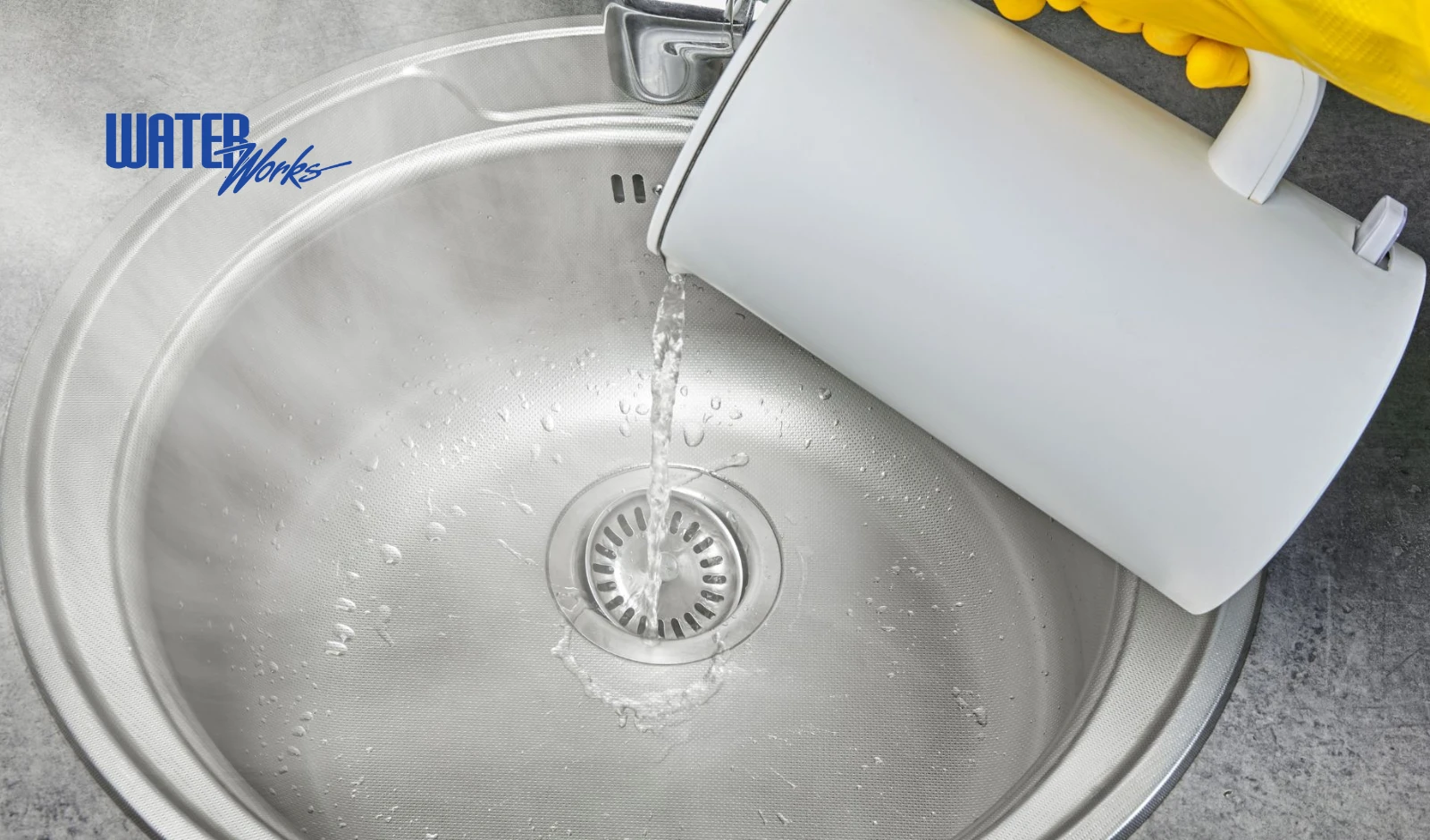
One of the easiest quick fixes is to pour boiling water down the drain. Heat helps loosen grease and soap buildup.
Boil a pot of water and slowly pour boiling water into the drain. This works well for kitchen sinks where grease collects.
If the drain clears after flushing the drain with hot water, the clog may have been minor.
Step 2: Use Baking Soda and Vinegar
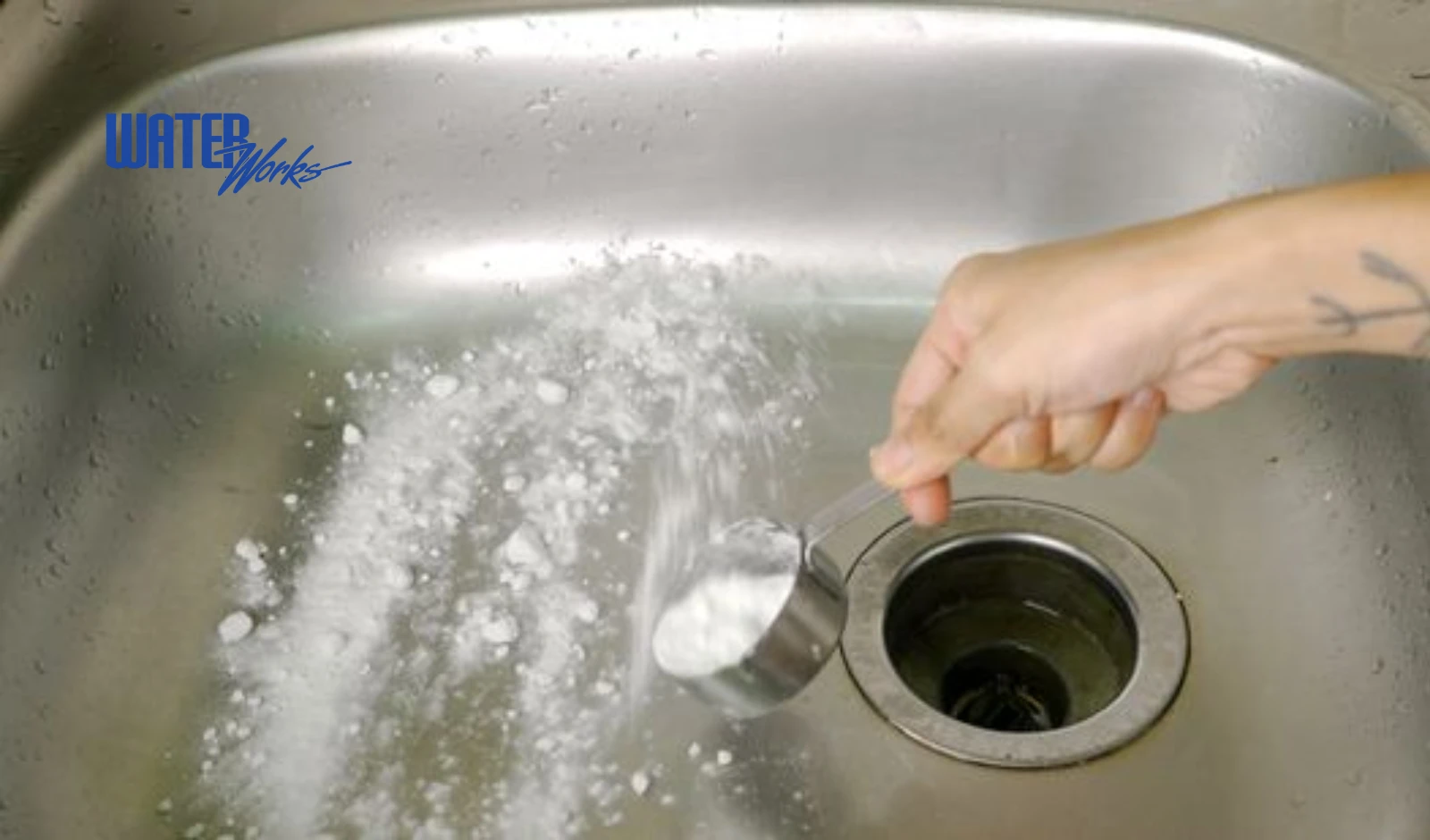
Another safe method uses baking soda and vinegar.
- Pour one cup of baking soda into the drain.
- Add one cup of white vinegar.
- Let it sit for 15–30 minutes.
The bubbling action helps break down light buildup inside the pipes. After waiting, pour hot water down the drain to flush away debris.
This method works best for small drain clog issues and regular maintenance.
Step 3: Use a Drain Snake
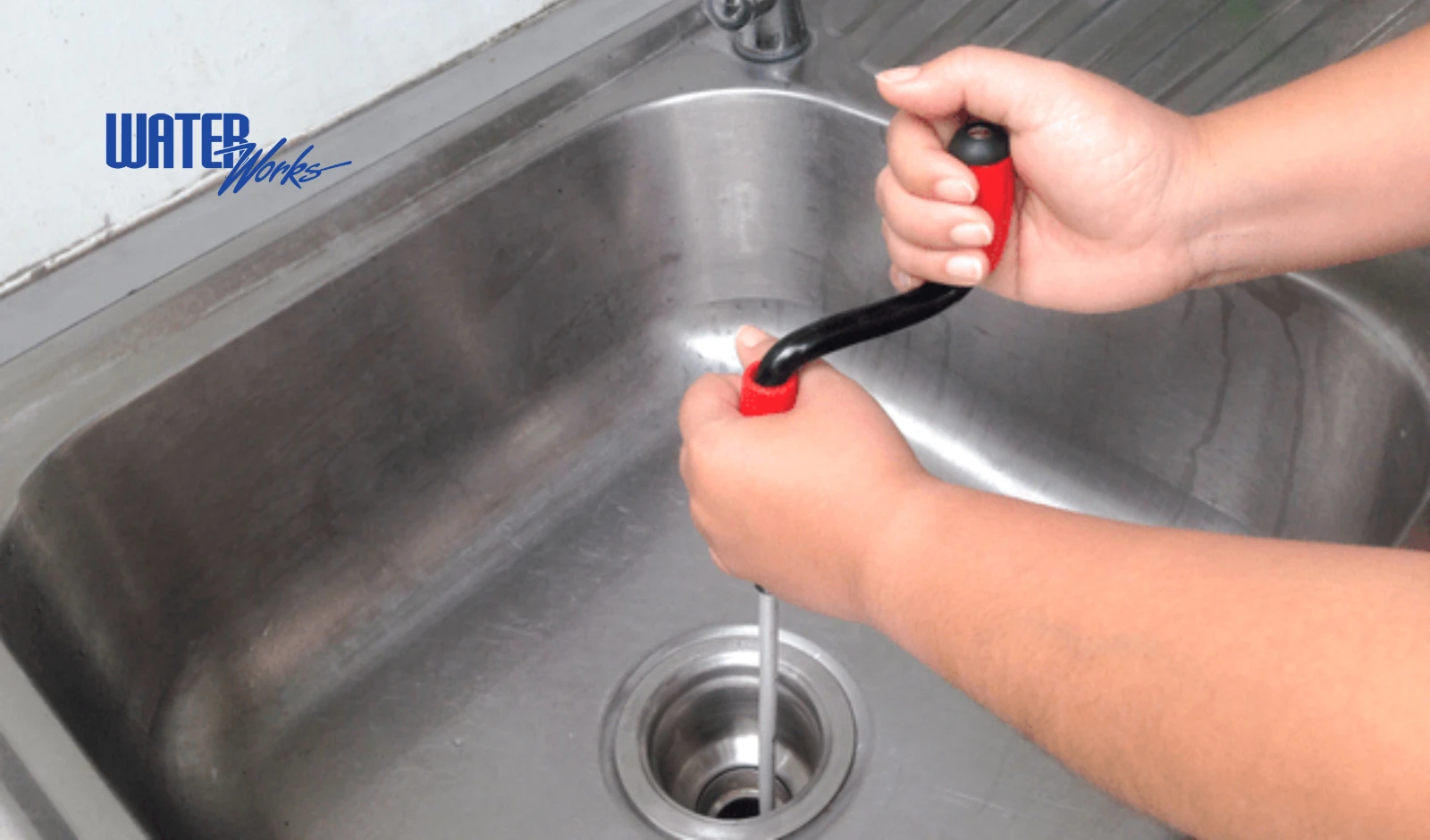
If water still drains slowly, the blockage may be deeper. A drain snake is a flexible tool that reaches inside the pipe to pull out debris.
Insert the drain snake into the pipe and twist it gently to grab hair, grease, or other buildup. Pull it out carefully and remove the waste.
This tool helps unclog your drain without using harsh chemicals.
Should You Use Chemical Drain Cleaner?
A chemical drain cleaner can remove tough clogs, but it should be used carefully. Many chemical products contain harsh chemicals that can damage pipes over time.
Repeated use may weaken residential plumbing systems. If you must use one, follow instructions carefully and avoid mixing products.
For long-term pipe health, natural cleaning methods are safer.
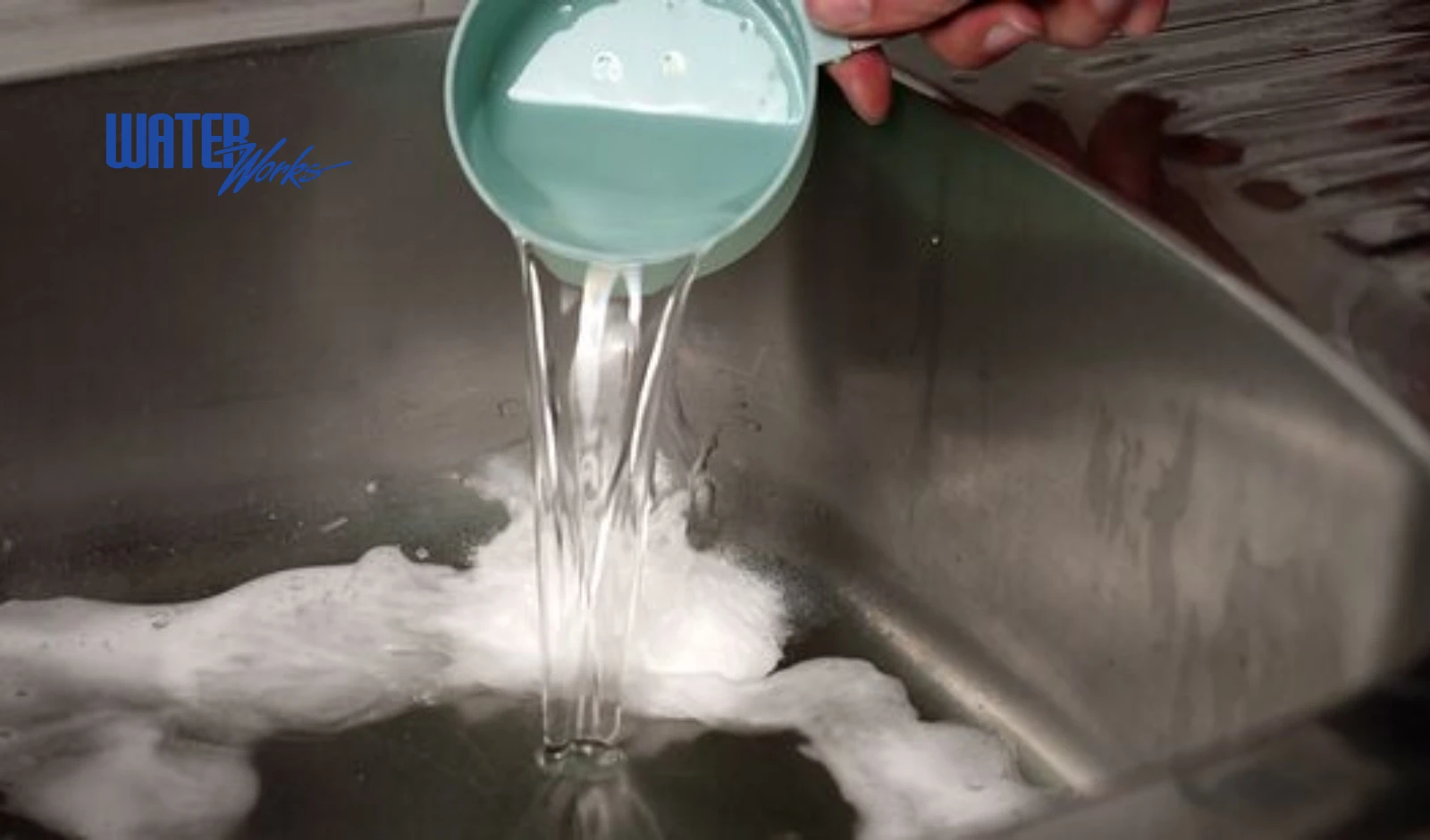
Flushing the Drain Regularly
Even if you don’t have a clogged drain, regular care helps prevent future problems.
Run hot water down the drain after washing dishes. Avoid pouring grease or oil into the sink. Clean drains monthly with baking soda and vinegar to keep them fresh.
Simple habits reduce soap scum and buildup inside the pipes.
Signs You Need Professional Help
Sometimes home methods are not enough. You should call emergency plumbers if:
- Water backs up into the sink
- The drain makes gurgling sounds
- The clog returns quickly
- Multiple drains are blocked
These signs may point to a larger drain blockage in the plumbing system.
Professional services like Water Works can inspect your pipes and clear stubborn clogs safely. Trained experts use tools designed to clean drains without damaging your residential plumbing.
If you are unsure about the cause of the clog, it is safer to find a plumber than risk making the problem worse.
Preventing Drain Clogs Long Term
Keeping drains clean saves money and avoids stress.
- Use sink strainers in kitchen sinks
- Wipe grease from pans before washing
- Avoid washing large food scraps down the drain
- Clean drains monthly
Preventive care protects your plumbing system and reduces the need for repairs.
Final Thoughts
Learning how to clean drains helps you handle minor clogs and slow drainage at home. Simple steps like pouring boiling water, using baking soda and vinegar, and flushing the drain regularly can solve small problems.
However, if a drain clog keeps coming back or water stops flowing completely, the issue may be deeper in the plumbing system. Acting early prevents damage and protects your home.
Professional Drain Cleaning You Can Trust
If home cleaning methods don’t solve the problem, professional help ensures your pipes are cleaned safely and correctly. Reliable plumbing support prevents damage and restores proper drainage.
Call 0800 448 372 or book online and save $15. Our experienced team is ready to respond quickly and safely.
Discover more
news and tips
Discover our wide range of plumbing blogs showcasing everything from home renovations to large-scale commercial installations.


Contact us today about your Auckland plumbing needs
24/7 Affordable Plumbing Services for Auckland Homes and Businesses. For all emergency jobs please call us on 09 846 4458.