

Learn how to clean copper pipe corrosion, signs of pipe damage, and when to call a plumber to prevent leaks and costly repairs.
How to Clean Copper Pipe Corrosion and Protect Your Plumbing
.webp)
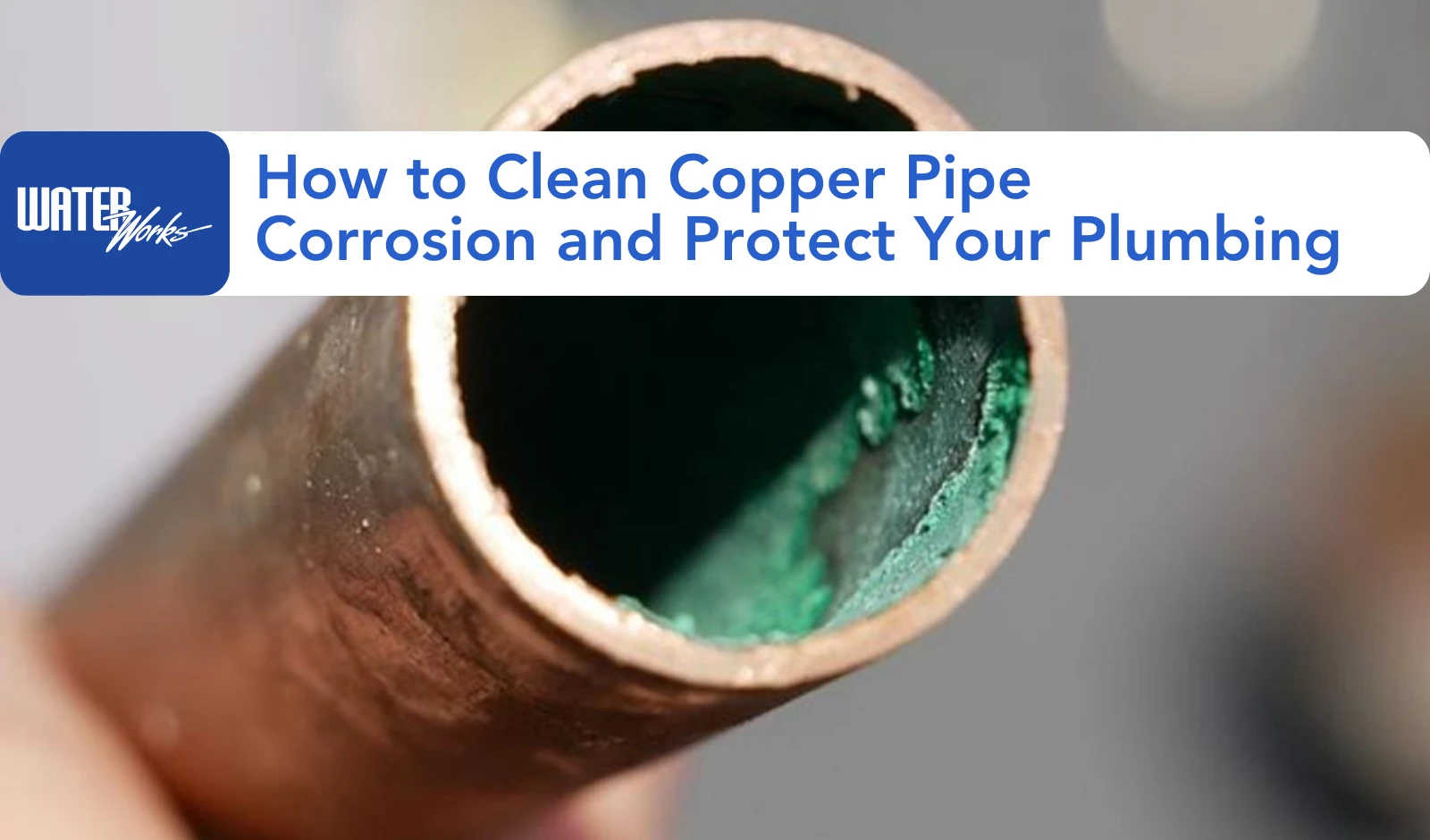
Corrosion is a common plumbing problem that can affect both copper and galvanised pipes. It may appear as stains, rust, or buildup on the outside of a pipe. In some cases, corrosion can develop inside the pipe without being noticed.
Many homeowners search for answers about how to clean copper pipe corrosion, how to clean corrosion from inside copper pipes, or how to clean galvanised pipe corrosion when they spot signs of damage. Understanding what causes corrosion and when to call a plumber can help prevent leaks and costly repairs.
What Is Pipe Corrosion?
Pipe corrosion happens when metal is exposed to water, oxygen, and moisture over time. As corrosion grows, it slowly damages the surface of the pipe and can affect how well it works.
If left untreated, corrosion can reduce water flow, cause leaks, and eventually damage parts of your plumbing system.
How Can You Identify Corrosion on Pipes?
Corrosion often shows warning signs before it causes serious damage. Spotting these signs early can help you avoid larger plumbing problems.
Common signs include:
- Green, blue, or white stains on copper pipes
- Rust or discolouration on galvanised pipes
- Reduced water pressure
- Small leaks around fittings
- Water stains near plumbing lines
- Unusual tastes or odours in water
If you notice any of these signs, it is a good idea to have a plumber inspect the pipe. They can check how serious the damage is and recommend the best solution.
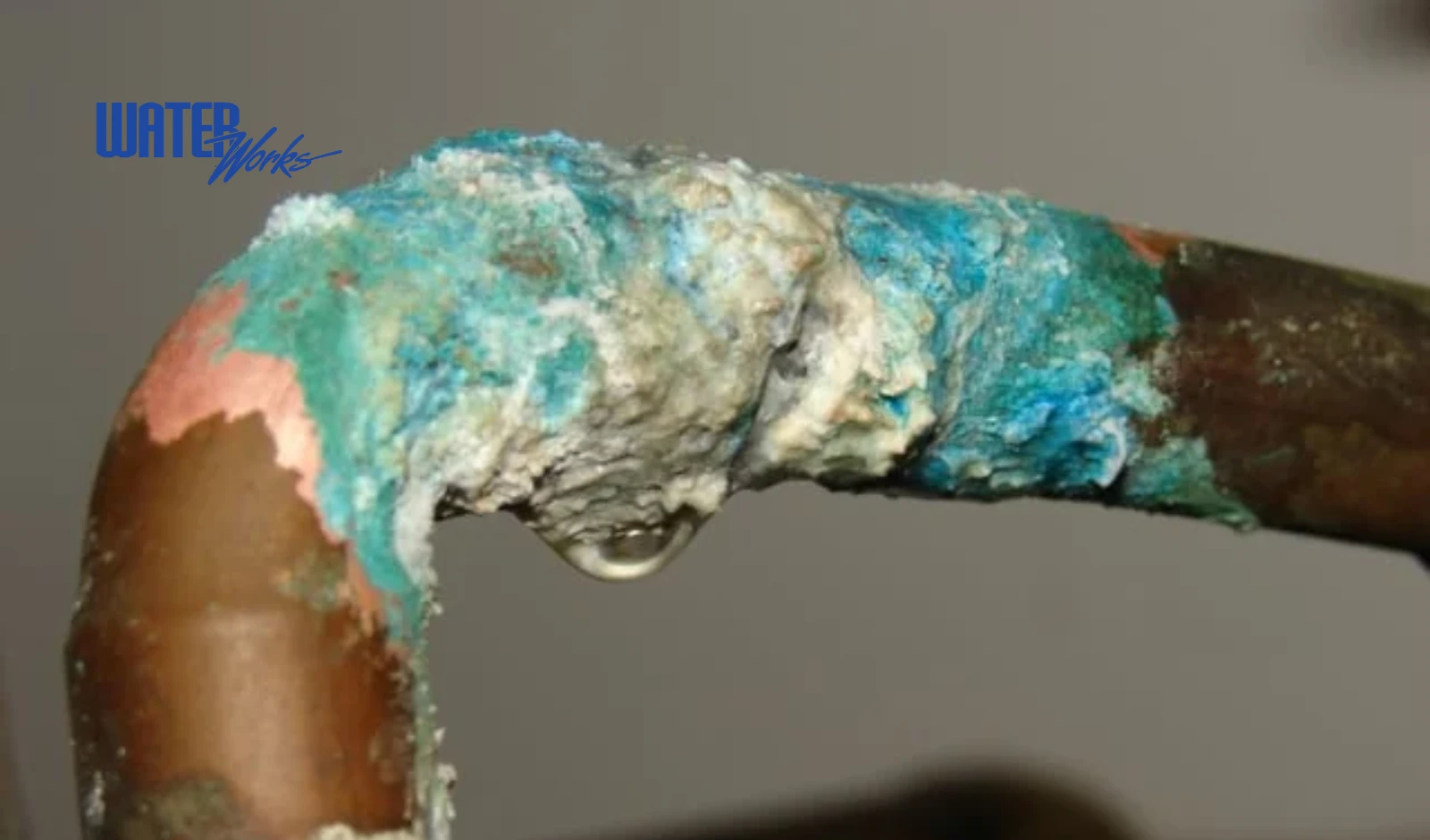
What Causes Copper Pipe Corrosion?
Copper pipes are strong and long-lasting, but they can still develop corrosion over time.
Common causes include:
- Water chemistry
- Moisture around the pipe
- Small leaks
- High humidity
- Ageing plumbing materials
If corrosion continues to spread, it can weaken the pipe and make leaks more likely.
Can Surface Corrosion Be Cleaned?
Light corrosion on the outside of pipes can sometimes be cleaned to improve appearance and remove buildup.
Many homeowners use:
- White vinegar
- Baking soda
- Soft cleaning cloths
- Non-abrasive cleaning materials
After cleaning, it is important to dry the pipes thoroughly to reduce moisture exposure. While cleaning may remove visible corrosion, it does not address underlying plumbing issues. If corrosion returns quickly, professional assessment is recommended.
How to Clean Corrosion From Inside Copper Pipes
Corrosion inside copper pipes is harder to see and harder to remove than corrosion on the outside. It can slow water flow and damage the pipe over time.
Most homeowners do not have the tools needed to inspect or clean the inside of pipes safely. Professional plumbers use special tools to check the inside of pipes and decide whether cleaning, repairs, or replacement is needed.
What About Galvanized Pipe Corrosion?
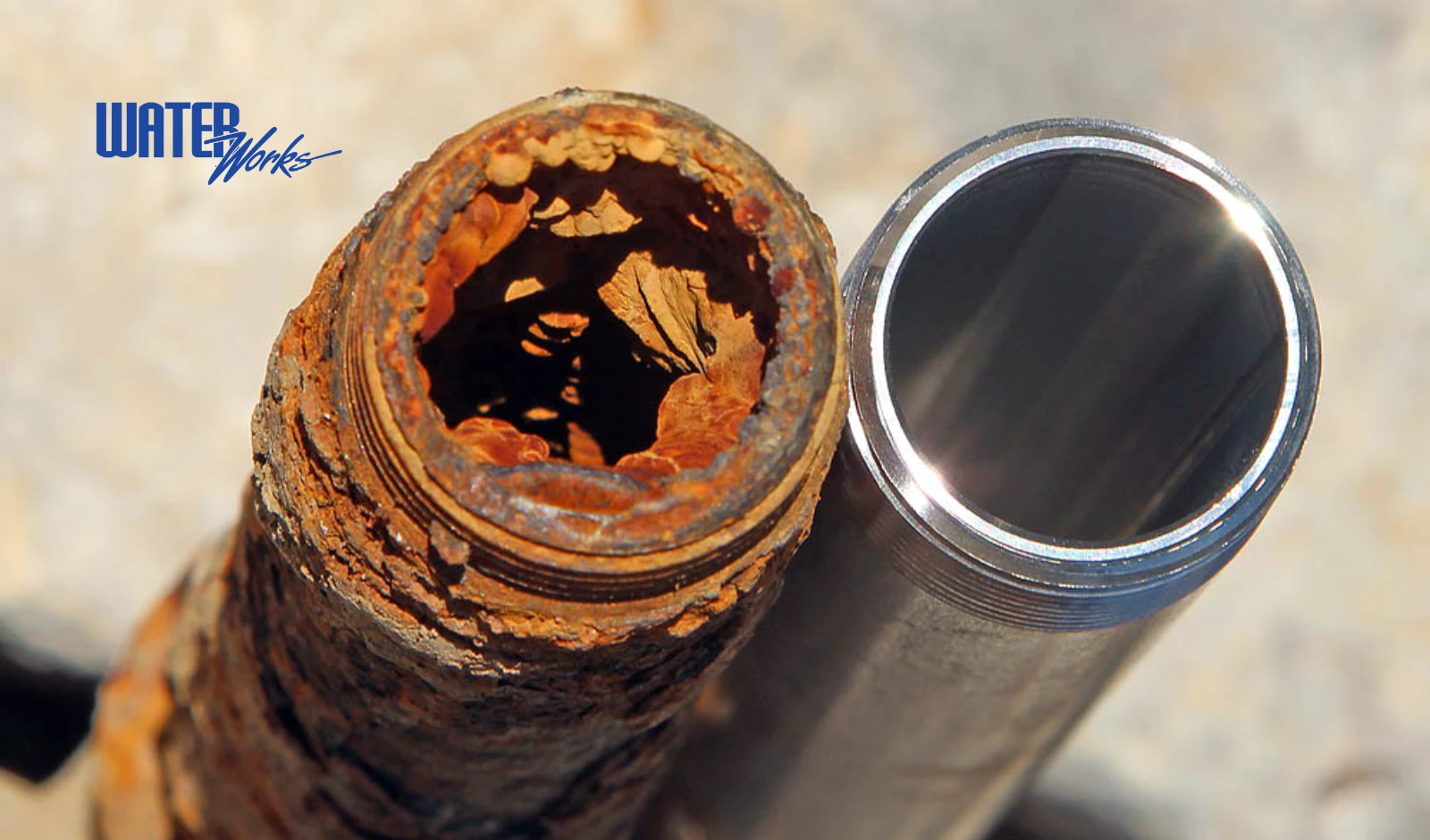
Galvanised pipes can develop corrosion as their protective coating wears away over time.
As corrosion builds inside the pipe, mineral deposits and rust may reduce water flow. This can lead to:
- Lower water pressure
- Discoloured water
- Restricted flow
- Increased risk of leaks
Cleaning visible corrosion may improve appearance, but internal buildup often requires professional attention. Older galvanised systems may eventually require replacement if corrosion becomes severe.
Why Corrosion Should Not Be Ignored
Corrosion often develops slowly, making it easy to miss at first.
However, ongoing corrosion can:
- Reduce water flow
- Damage fittings and joints
- Increase the risk of leaks
- Affect water quality
- Lead to costly repairs
What starts as a small patch of corrosion can turn into a much bigger plumbing problem if it is ignored.
When Is It Time to Call a Professional?
Not all corrosion requires immediate replacement, but professional evaluation is important when corrosion becomes widespread or repeatedly returns.
It may be time to find a plumber if you notice:
- Frequent leaks
- Significant discoloration
- Low water pressure
- Corrosion on multiple sections of piping
- Signs of water damage
A plumber can determine whether cleaning, repair, or replacement is the best solution.
How Professional Plumbing Services Help
Professional plumbing services do more than remove visible corrosion.
Experienced plumbers can:
- Inspect the pipe condition
- Identify hidden corrosion
- Test water flow
- Assess long-term damage
- Recommend repairs or replacement
This helps homeowners avoid unexpected plumbing problems and costly repairs.
Can Corrosion Be Prevented?
You cannot always stop corrosion from forming, but regular maintenance can help reduce the risk.
Helpful practices include:
- Scheduling inspections
- Repairing leaks promptly
- Monitoring water quality
- Keeping exposed pipes dry
- Addressing corrosion early
These simple steps can help protect both copper and galvanised plumbing systems.
Final Thoughts
Understanding how to clean copper pipe corrosion is helpful, but cleaning visible buildup is only part of the solution. Corrosion can continue to grow even after the outside of the pipe looks clean.
If corrosion continues to return or affects water flow, professional help is the safest option. An early inspection can find hidden damage and help prevent more expensive repairs later.
Protect Your Pipes Before Corrosion Leads to Bigger Problems
Corrosion may start as a small stain or patch of buildup, but it can eventually lead to leaks, reduced water flow, and costly repairs. Professional inspections help identify hidden damage and ensure your plumbing system remains in good condition.
Trust Water Works for reliable residential plumbing support and expert service. Call 0800 448 372 or book online and save $15. Our experienced team is ready to respond quickly and safely.
Discover more
news and tips
Discover our wide range of plumbing blogs showcasing everything from home renovations to large-scale commercial installations.


Contact us today about your Auckland plumbing needs
24/7 Affordable Plumbing Services for Auckland Homes and Businesses. For all emergency jobs please call us on 09 846 4458.