

Learn how to change a gas pipe safely, recognise warning signs, and know when to call licensed or emergency plumbers.
How to Change a Gas Pipe: Steps Homeowners Should Know
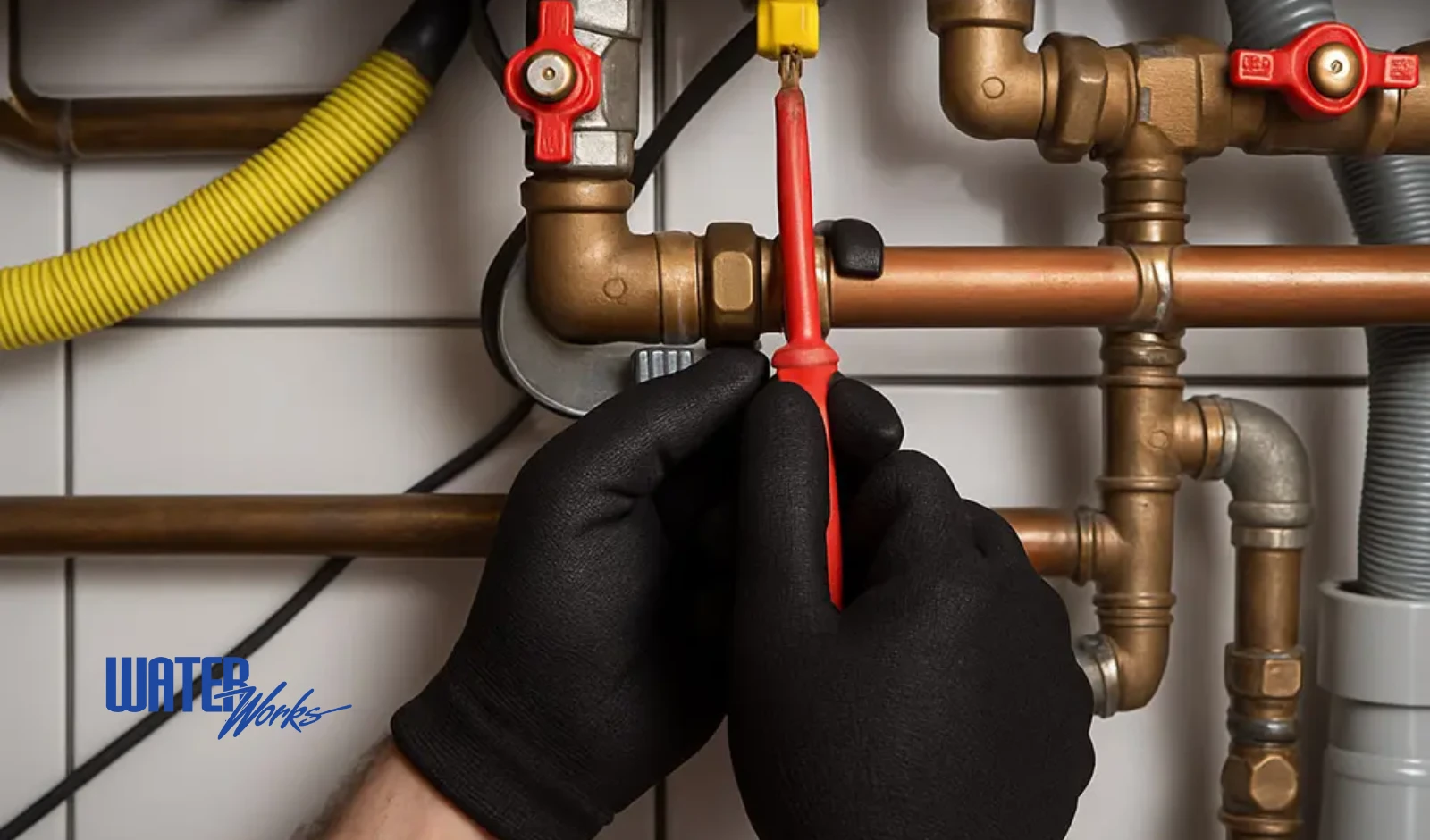
Gas pipes are an essential part of homes that use gas for cooking, heating, or hot water. They carry gas safely from the main supply to each gas appliance. Over time, these pipes can wear out, become damaged, or no longer meet current safety standards.
When this happens, homeowners often seek reliable guidance on how to replace a gas pipe without putting their household at risk. Gas pipe work is not the same as basic home maintenance. Gas systems must follow strict safety rules to prevent leaks, fires, and other hazards to health. This guide explains when gas pipes need to be changed, what the process involves, and when it is safest to call a professional.
When a Gas Pipe Needs to Be Changed
Gas pipes usually need replacement when they show signs of damage or age. Common reasons include:
- Visible rust or corrosion
- Cracks or loose joints
- Gas leaks or strong gas smells
- Changes to a gas appliance or home layout
- Upgrades to the gas supply
Older homes may still rely on gas pipes that no longer meet modern safety standards. In these cases, replacing the pipe improves both safety and system performance.
Why Changing a Gas Pipe Is Not a DIY Job
Many homeowners wonder if they can handle gas pipe changes on their own. In most cases, they should not. Gas lines carry flammable gas under pressure. One small mistake can lead to leaks, fires, or serious injury.
Licensed plumbers train specifically for gas work. They understand safety codes, pipe sizing, and pressure testing. If you are unsure who to contact, it is best to find a plumber with gas certification rather than attempting the work yourself.
What the Gas Pipe Change Process Involves
Although professionals handle the work, understanding the process helps homeowners know what to expect.
First, the plumber shuts off the gas supply to stop the gas flow. Next, they remove the old gas line carefully and disconnect any connected gas appliances. Then they install a new pipe that meets current safety rules and secure all connections. Finally, they test the system to make sure no leaks are present before restoring the gas supply.
This process applies whether the work involves a short pipe section or a full gas pipeline replacement.
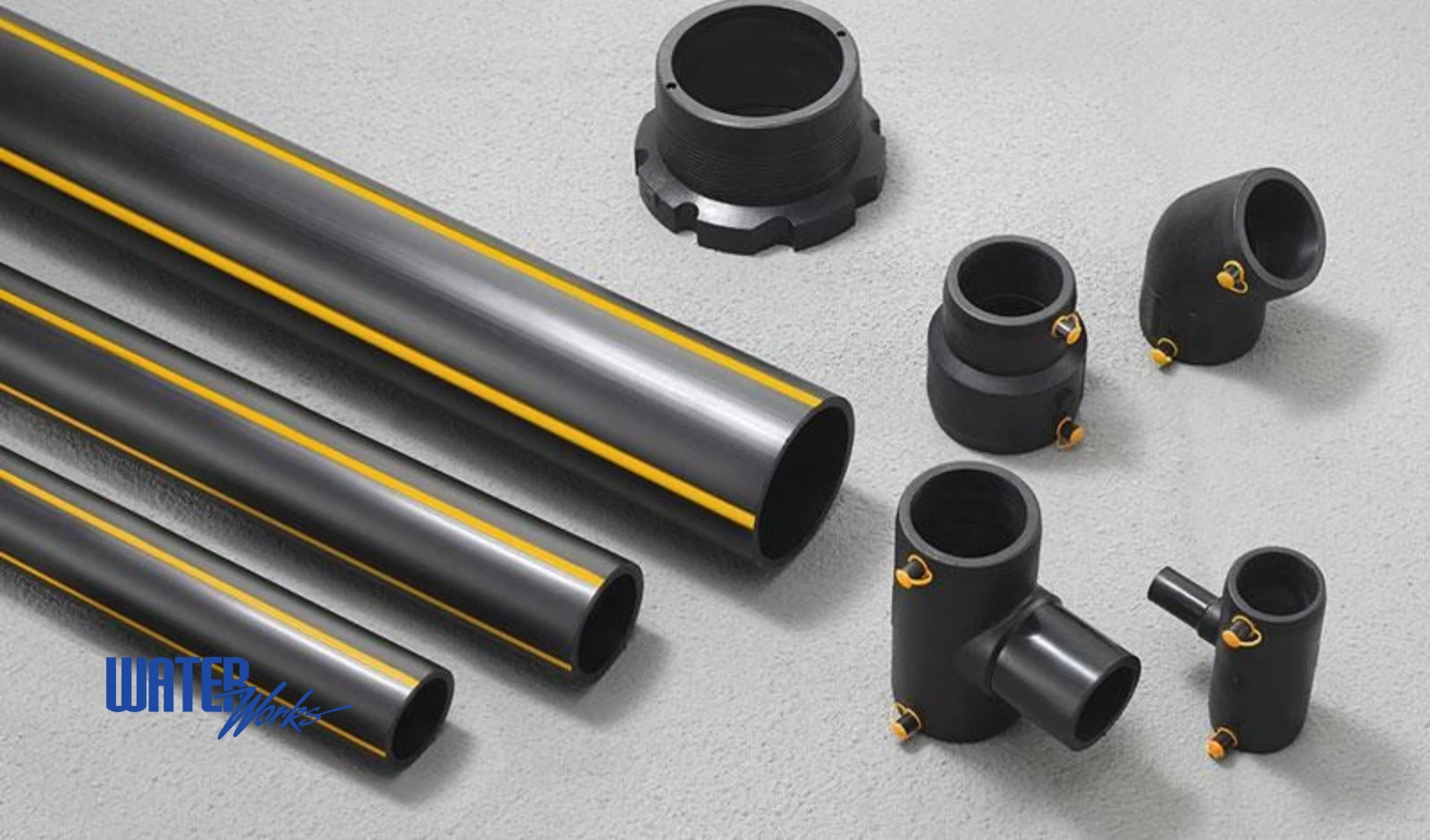
Gas Pipe Materials Used Today
Modern gas pipes use materials designed to last longer and resist damage. Common options include:
- Copper
- Steel
- Approved flexible gas piping
The right material depends on the gas system design, the location of the gas line, and the type of gas appliance being supplied.
Gas Pipe Changes During Renovations
Home renovations often involve moving or adding gas appliances. When layouts change, gas lines may need to be rerouted or replaced. This is a common time when homeowners ask about how to change a gas pipeline safely as part of a larger upgrade.
Professional plumbers can plan the gas pipe change to match the new layout and ensure the gas supply works correctly with the updated space.
Choosing the Right Professional
When changing a gas pipe, always work with licensed professionals. Services like Water Works provide trained teams who understand gas safety requirements and proper installation methods.
Qualified professionals reduce risk and make sure the gas system meets all safety standards before it is used again.
Costs and Planning
The cost of changing a gas pipe depends on:
- The length of the gas line
- The pipe material used
- How easy is the pipe to access
- The complexity of the work
Planning and addressing issues early can help avoid higher costs caused by calling emergency plumbers.
Final Thoughts
Knowing how gas pipe changes work helps homeowners make safer decisions, but most gas pipe replacements should be handled by licensed professionals. Gas systems require accuracy, testing, and compliance with safety rules.
If your home shows warning signs or needs an upgrade, do not wait. Professional support keeps your gas system safe, reliable, and compliant.
Fast, Safe Help for Gas Pipe Issues
Gas pipe problems should never be ignored. Professional help ensures safe installation and long-term reliability.
Call 0800 448 372 or book online and save $15. Our experienced team is ready to respond quickly and safely.
Discover more
news and tips
Discover our wide range of plumbing blogs showcasing everything from home renovations to large-scale commercial installations.


Contact us today about your Auckland plumbing needs
24/7 Affordable Plumbing Services for Auckland Homes and Businesses. For all emergency jobs please call us on 09 846 4458.