

Learn how sewage is disposed of, how wastewater treatment works, and why proper sewage treatment protects public health and water.
How Is Sewage Disposed? A Simple Guide
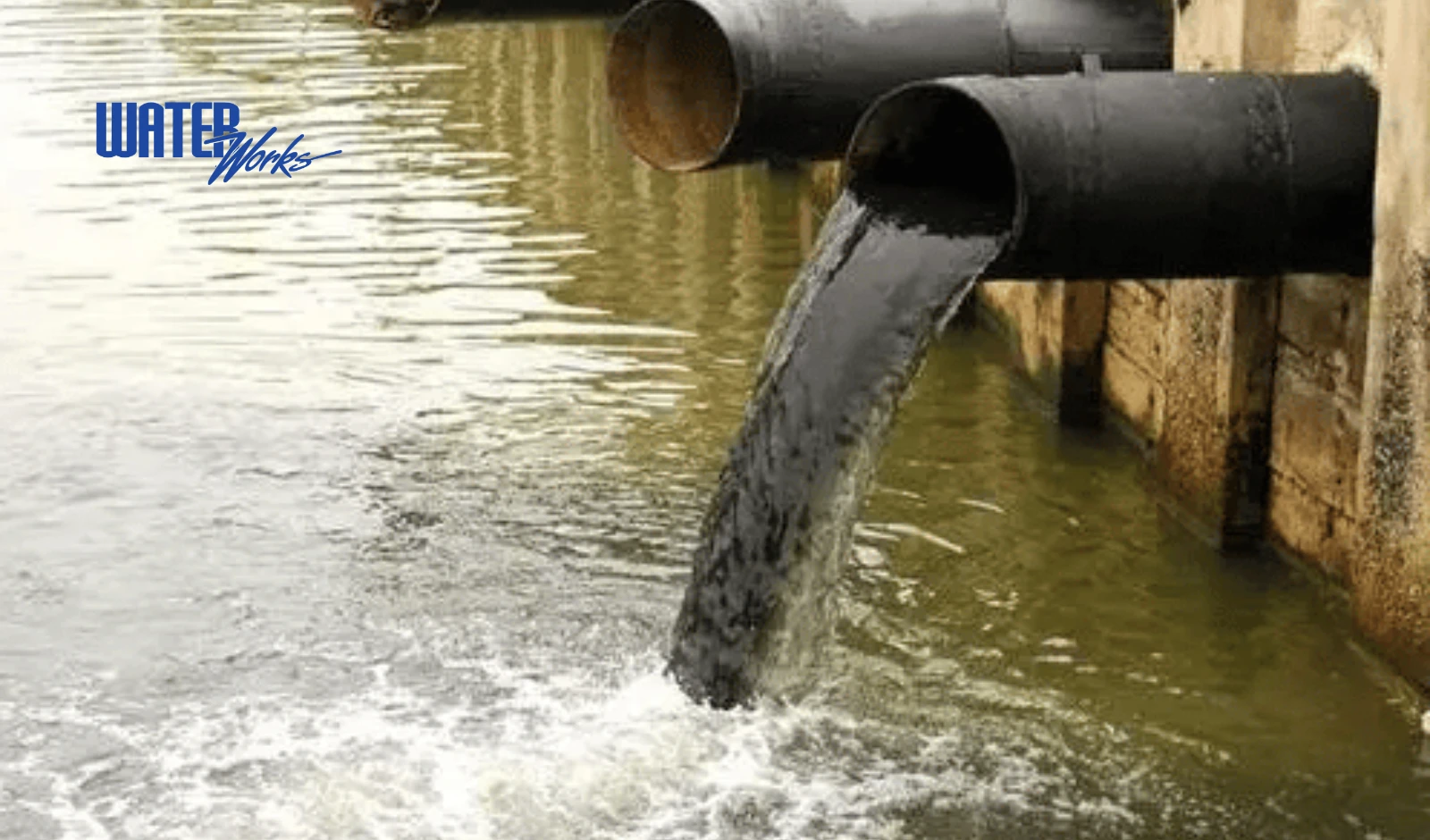
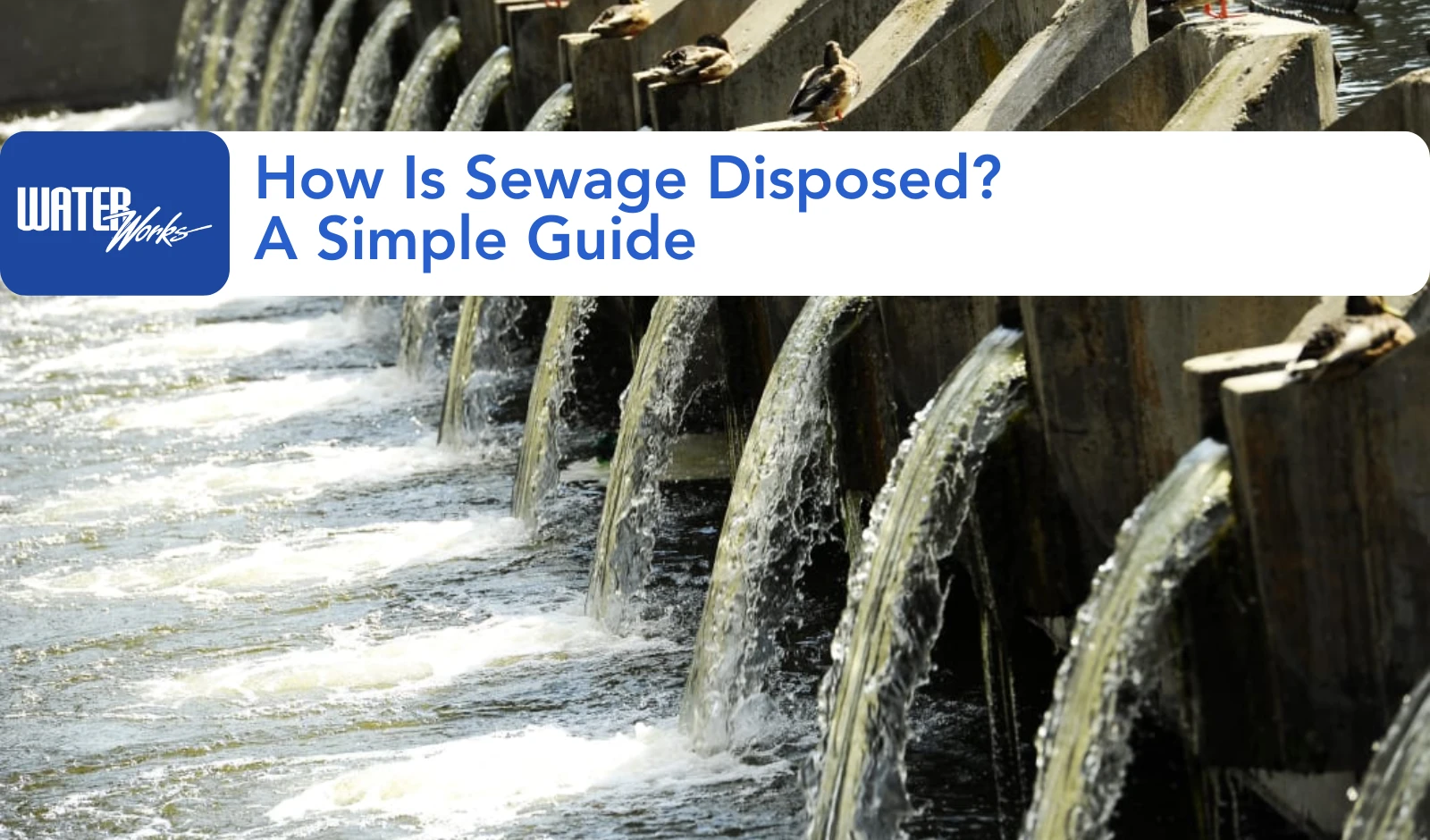
Every home and building produces wastewater every day. Water from toilets, sinks, showers, and washing machines enters the sewerage system and must be treated safely before disposal.
Without proper treatment and disposal, sewage can affect public health and pollute the environment. Understanding how sewage is disposed of helps explain why modern plumbing and wastewater systems are so important.
What Is Sewage?
Sewage is wastewater that comes from homes, businesses, and other buildings.
It may contain:
- Liquid waste from toilets and sinks
- Organic matter from food and waste
- Solid waste and other materials
This wastewater travels through underground pipes to sewage treatment works or wastewater treatment plants for cleaning.
How the Sewerage System Works
The sewerage system moves sewage away from homes and buildings. Pipes carry raw sewage through underground networks to sewage treatment plants. These systems are designed to safely transport wastewater without affecting homes or public areas.
In some rural properties, septic tanks may be used instead of public sewer systems. A plumber can help maintain plumbing connections and ensure wastewater flows properly through the system.
Primary Treatment of Sewage
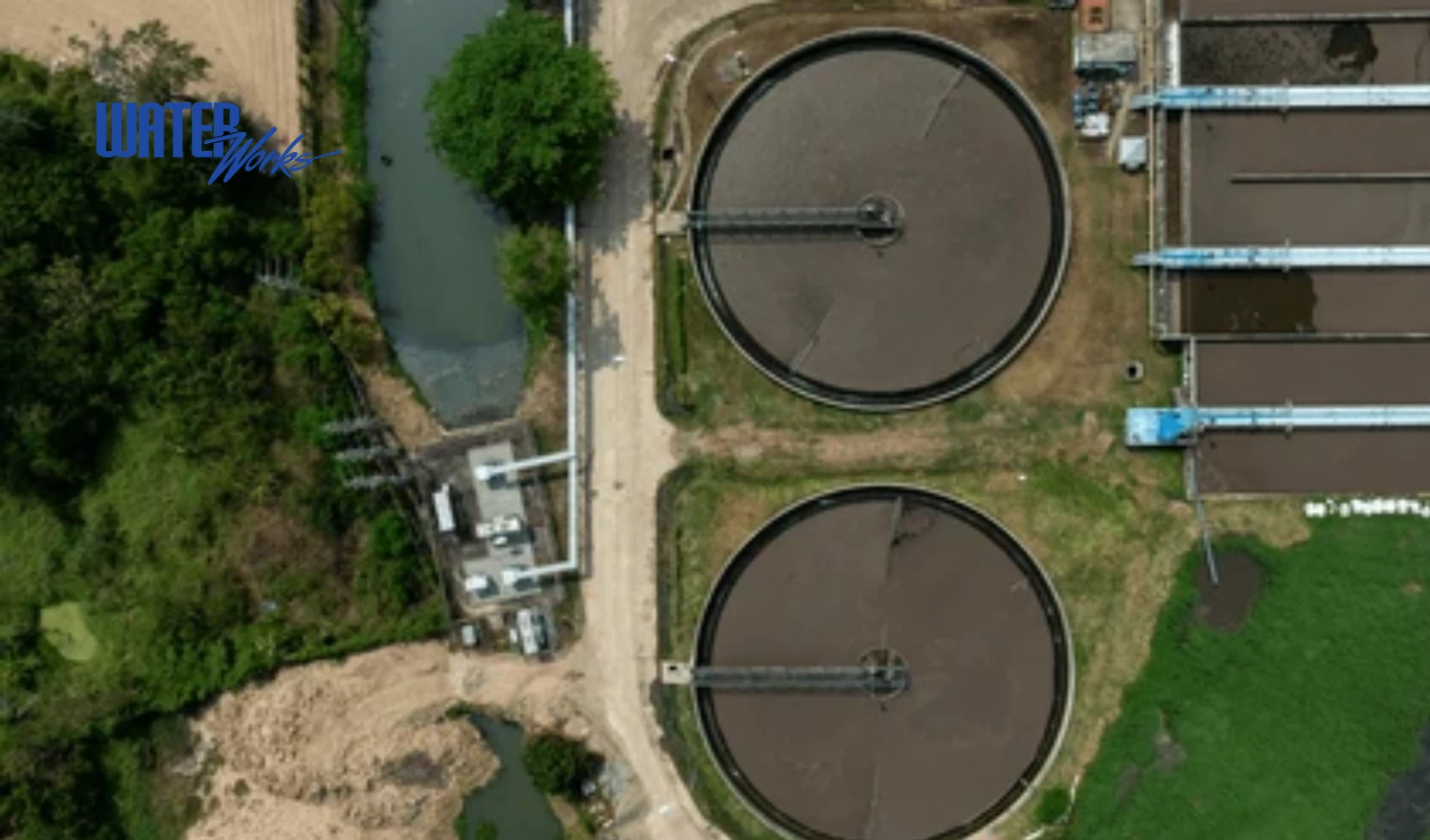
The first stage of treating sewage is called primary treatment.
During this stage:
- Raw sewage enters the settlement tanks or sedimentation tanks
- Heavy solid waste sinks to the bottom
- Lighter materials float to the top
This process helps separate solid waste from the liquid portion of the sewage. The remaining liquid continues to the next treatment stage.
Secondary Treatment Process
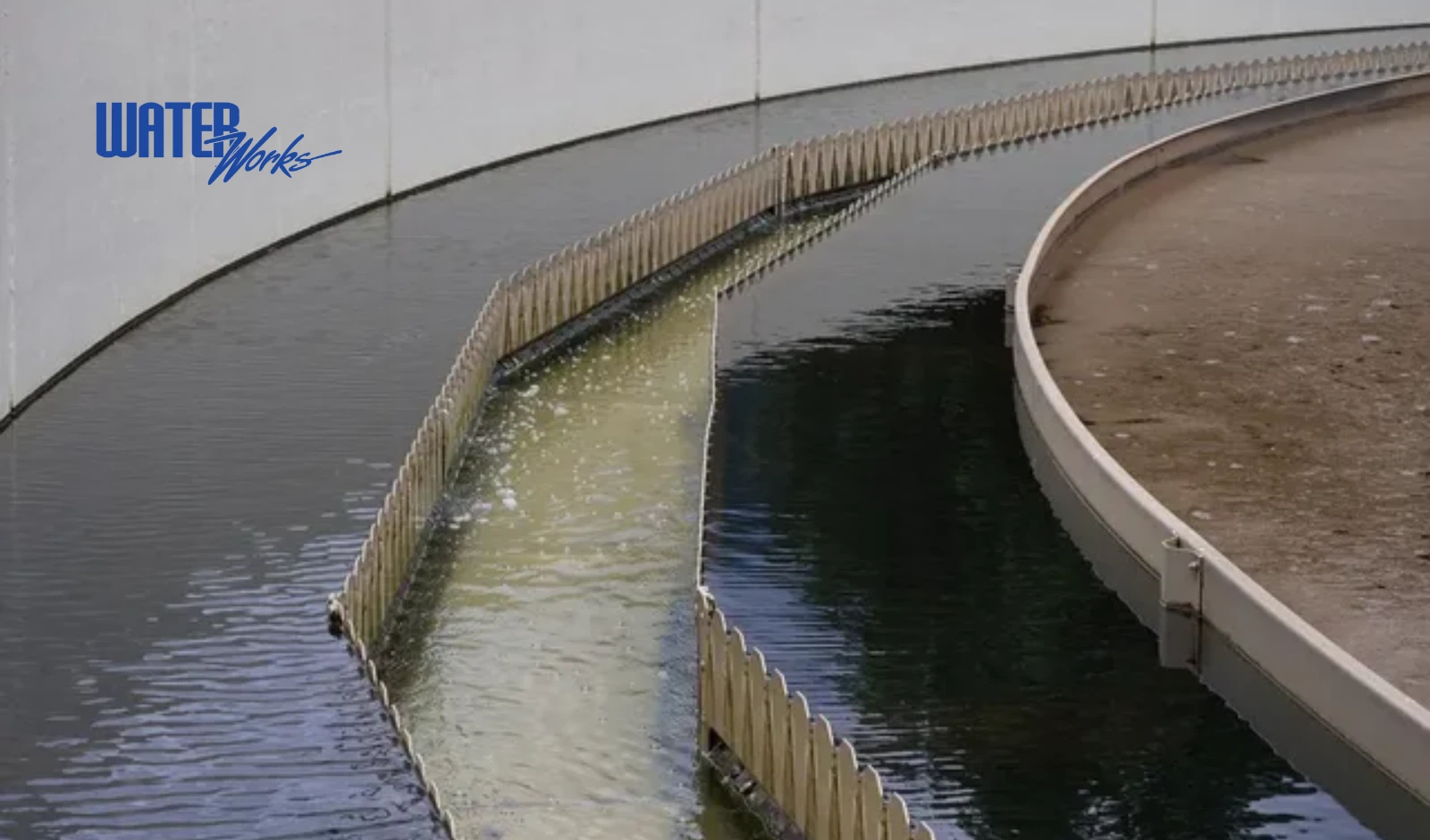
After primary treatment, the sewage moves to secondary treatment. This stage focuses on breaking down organic matter remaining in the wastewater.
Microorganisms help remove harmful materials from the water during this process. This helps improve water quality before the treated water is released or reused. Secondary treatment is an important step in modern sewage treatment plants.
What Happens to Sewage Sludge?
The solid material removed during treatment is called sewage sludge. Sewage sludge must also go through treatment and disposal processes before it can be safely managed. One common method is anaerobic digestion. This process breaks down organic matter inside sealed tanks.
After treatment, the sludge may be:
- Disposed of safely
- Used in land application for some agricultural purposes
- Processed further for waste management
Releasing Treated Water
Once the sewage is treated, the cleaned water may be released safely into the environment.
This may include:
- Rivers and other surface water areas
- Irrigation or reuse systems in some locations
Strict treatment standards help ensure the water is safe before release. Proper sewage treatment helps protect the environment and reduce pollution.
Homes That Use Septic Tanks
Not all properties connect to city sewer systems. Some homes use septic tanks to handle wastewater on-site. Septic systems separate solids and allow liquid waste to drain safely underground.
Regular maintenance is important to keep septic tanks working properly and prevent plumbing problems.
Why Proper Sewage Disposal Matters
Proper treatment and disposal help protect public health and the environment. Without proper sewage treatment works, harmful waste could enter rivers, soil, and surface water areas.
Modern wastewater treatment plants help reduce pollution and improve sanitation for communities. Proper systems also help prevent plumbing backups and drainage problems in homes and businesses.
Final Thoughts
Sewage disposal is an important part of modern plumbing and public health. Waste water moves through sewerage systems to wastewater treatment plants, where it goes through several cleaning stages.
Processes like primary treatment, secondary treatment, and sludge treatment help remove waste safely and protect the environment. A trusted plumber can help maintain your plumbing system and ensure wastewater flows properly through your property.
Reliable Wastewater and Plumbing Services
Proper plumbing systems help ensure wastewater moves safely through your property. Professional support helps prevent drainage and sewage problems.
Water Works provides trusted plumbing services across Auckland. Call 0800 448 372 or book online and save $15. Our experienced team is ready to respond quickly and safely.
Discover more
news and tips
Discover our wide range of plumbing blogs showcasing everything from home renovations to large-scale commercial installations.


Contact us today about your Auckland plumbing needs
24/7 Affordable Plumbing Services for Auckland Homes and Businesses. For all emergency jobs please call us on 09 846 4458.