

Learn how long gas pipes last in NZ homes, what affects their lifespan, and when inspections or replacement may be needed.
How Long Do Gas Pipes Last? NZ Home Guide
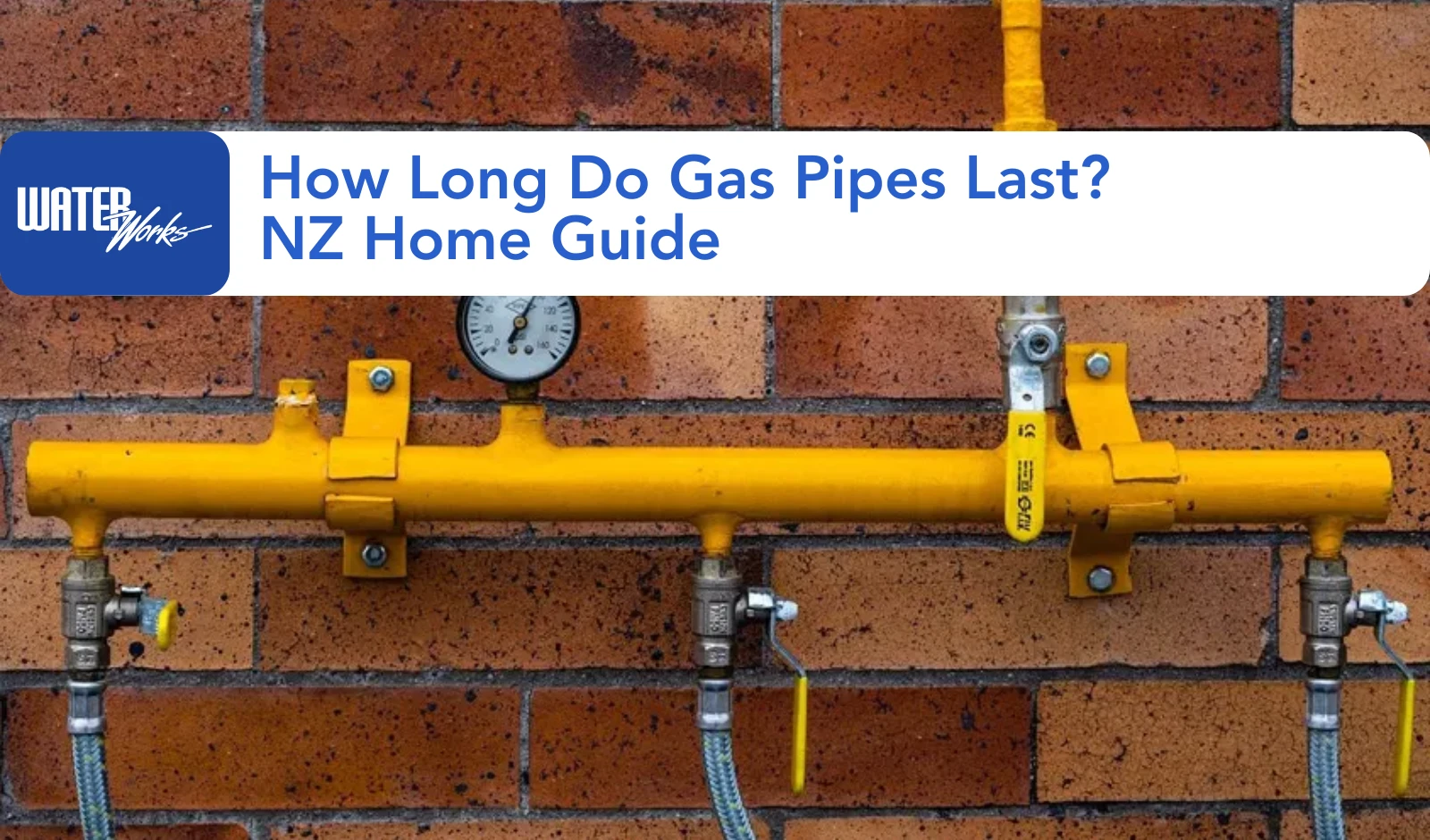
Gas systems play an important role in many New Zealand homes. They power cooking appliances, water heaters, and heating systems, making daily life more comfortable. Because gas systems are often hidden behind walls or underground, many homeowners wonder how long gas pipes last and when they should be checked or replaced.
Pipe lifespan can vary widely from one home to another. Some gas pipes remain safe for decades, while others wear out sooner due to age, pipe material, or environmental factors. Understanding how long gas pipes last and what affects their condition helps homeowners make informed decisions and reduce safety risks.
This guide explains gas pipe lifespan, common materials used, warning signs of problems, and when to call emergency plumbers for help.
Average Lifespan of Gas Pipes
In many homes, gas pipes can last up to 50 years. However, this is only an estimate. The actual lifespan depends on several factors, including pipe material, installation quality, and exposure to moisture or shifting soil.
Older homes may still use original gas pipelines installed decades ago. While some remain safe, others may no longer meet modern gas safety standards. Regular inspections help determine whether pipes are still in good condition or nearing the end of their service life.
Common Gas Pipe Materials in NZ
The type of pipe material used has a major impact on how long gas pipes last.
- Galvanised steel: Common in older homes. Strong but prone to corrosion over time.
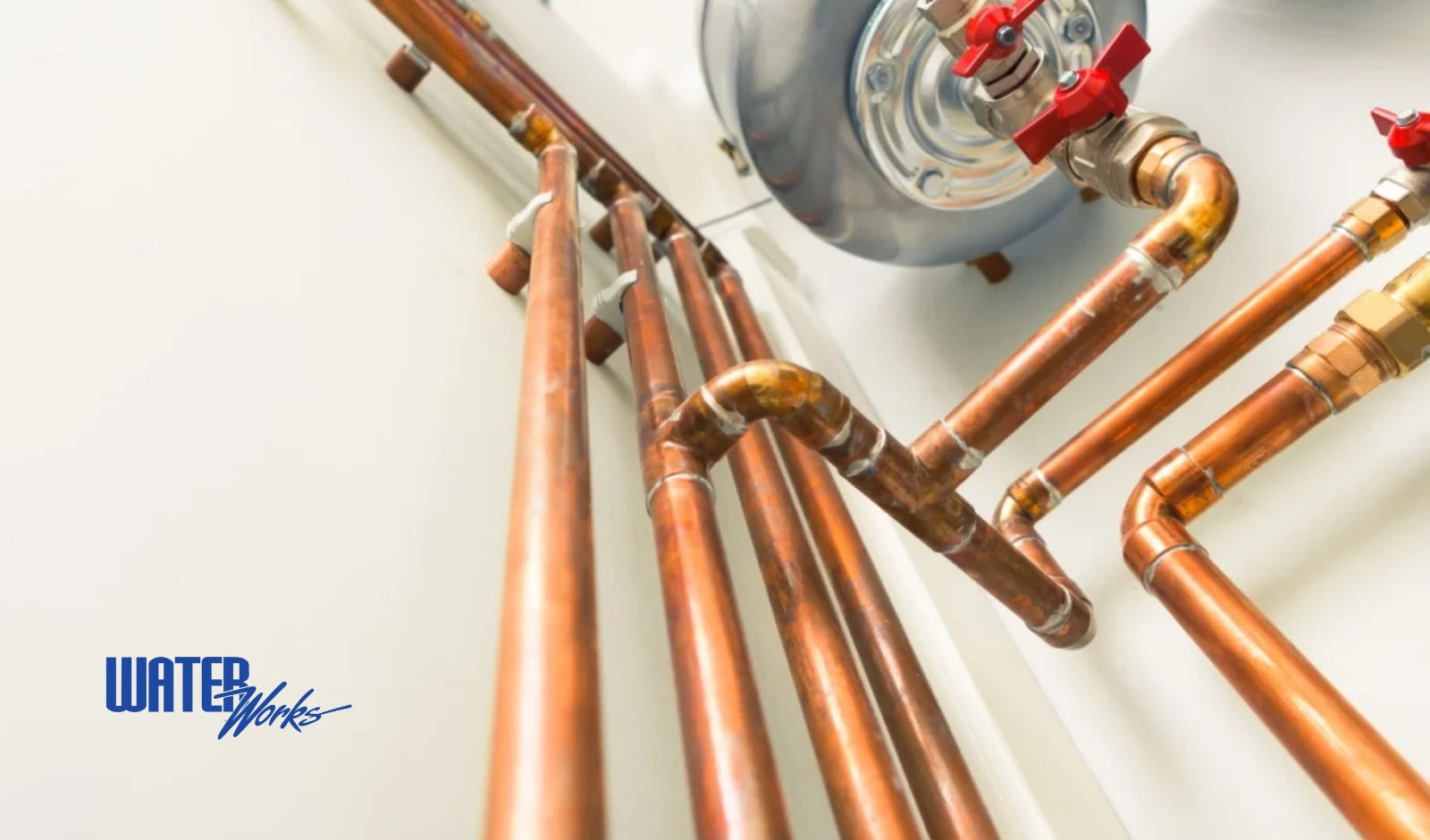
- Copper: Durable and long-lasting when installed correctly.
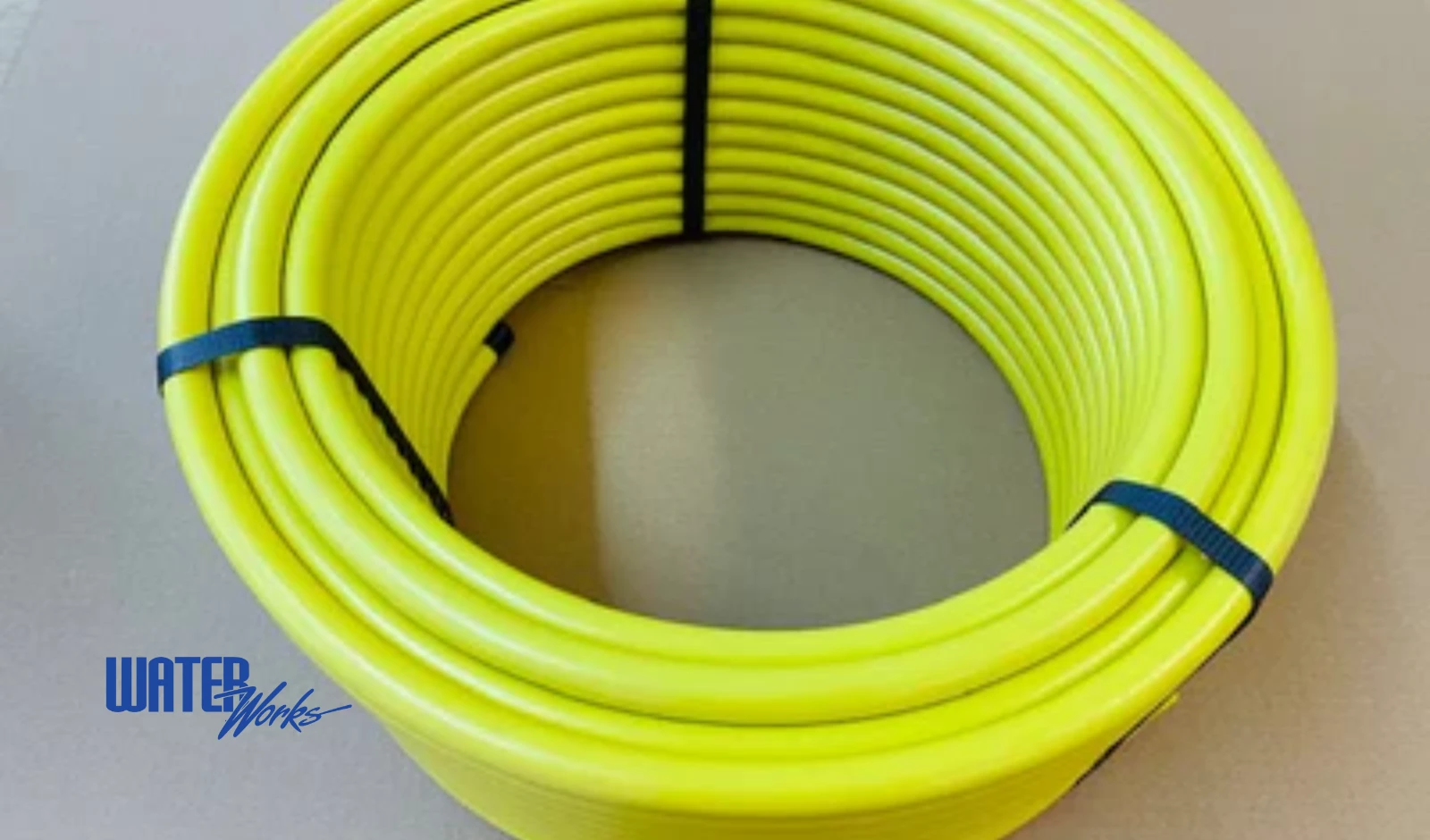
- Plastic piping (used in modern gas systems): Resistant to corrosion and often lasts longer than metal pipes.
Each material reacts differently to moisture, soil conditions, and pressure within the gas system.
How Soil Conditions Affect Gas Pipes
Soil conditions play a key role in gas pipe lifespan, especially for underground gas pipelines. Wet or acidic soil can speed up corrosion, particularly in metal pipes. Shifting soil can also stress joints and connections, leading to leaks.
Homes built in areas with poor drainage or frequent ground movement may experience faster pipe wear. This makes regular inspections even more important.
Signs Gas Pipes May Be Wearing Out
Gas pipes often show warning signs before failure. Common warning signs include:
- A gas leak smell, often described as rotten eggs
- Hissing sounds near gas lines
- Unexplained increases in gas bills
- Frequent issues with gas appliances
- Visible corrosion on exposed pipes
Ignoring these signs increases the risk of gas leaks and safety hazards.
Why Gas Leaks Are Serious
Gas leaks pose serious safety risks. Escaping gas can cause fires, explosions, or health problems. In enclosed spaces, gas can displace oxygen and lead to carbon monoxide buildup.
Carbon monoxide is especially dangerous because it is colourless and odourless. Faulty gas lines or poorly vented appliances can allow carbon monoxide to spread through a home.
Gas Pipes and Home Appliances
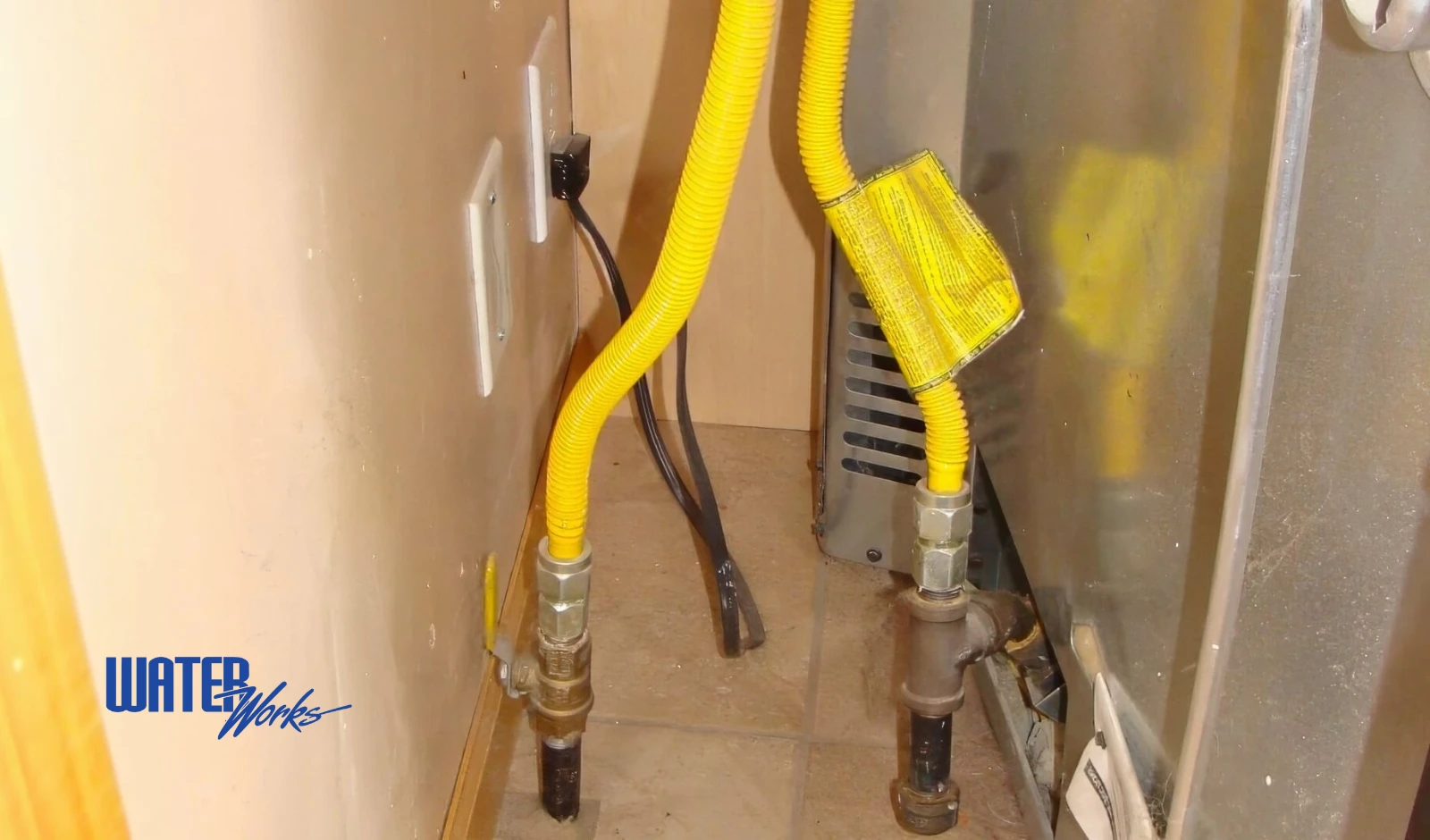
Gas pipes supply fuel to many household systems, including:
- Stoves and ovens
- Water heaters
- Heating units
- Other gas appliances
If gas pipes begin to fail, these appliances may stop working correctly or become unsafe. Regular inspections help ensure all connections remain secure.
When Repairs or Replacement Are Needed
Not all gas pipe problems require full replacement. Some issues can be fixed with targeted repairs. However, repairs or replacement may be necessary when:
- Pipes show heavy corrosion
- Leaks occur repeatedly
- Pipes no longer meet safety standards
- The system is near or past its expected lifespan
A professional inspection determines the safest option.
How Gas Pipes Affect Gas Bills
A damaged gas system can lead to higher gas bills. Leaks allow gas to escape before reaching appliances, increasing usage without added benefit.
If your gas bills rise unexpectedly, it may signal hidden gas leaks. Inspections help identify and fix these issues early.
Modern Gas Systems vs Older Systems
Modern gas systems are designed with better materials and improved safety features. Plastic piping and improved fittings reduce the risk of corrosion and leaks.
Older systems, especially those with galvanised steel pipes, may not perform as well over time. Upgrading parts of the gas system can improve safety and efficiency.
The Importance of Regular Inspections
Regular inspections help catch problems early. During an inspection, professionals check gas lines, joints, and appliances for wear or damage and carry out gas leak detection to identify hidden issues.
Routine checks reduce the risk of sudden gas leaks and provide homeowners with peace of mind. They also help avoid emergencies that require urgent repairs.
When to Call Emergency Plumbers
You should contact emergency plumbers immediately if you notice:
- Strong gas smells
- Hissing sounds from gas lines
- Symptoms like dizziness or headaches
- Sudden appliance failures linked to gas supply
In Auckland, trusted services like Water Works Auckland provide a fast response when gas safety is at risk.
Final Thoughts
So, how long do gas pipes last? In many NZ homes, gas pipes that carry natural gas last up to 50 years, but their lifespan varies based on material, environment, and maintenance. Knowing the warning signs and arranging regular inspections helps protect your home and family.
If your home uses natural gas and has an older gas system, professional advice provides safety, efficiency, and long-term peace of mind.
Gas Pipe Checks You Can Rely On
Gas pipe issues should never be ignored. Professional support helps keep your gas system safe and reliable.
Call 0800 448 372 or book online and save $15. Our experienced team is ready to respond quickly and safely.
Discover more
news and tips
Discover our wide range of plumbing blogs showcasing everything from home renovations to large-scale commercial installations.


Contact us today about your Auckland plumbing needs
24/7 Affordable Plumbing Services for Auckland Homes and Businesses. For all emergency jobs please call us on 09 846 4458.