

Learn what a gravity-fed water system is, how water flows, and how proper system design helps improve water supply and pressure.
A Guide to Gravity-fed Water Systems
Water systems are important for homes, farms, and businesses. Many properties rely on pumps to move water through pipes and supply water where it is needed.
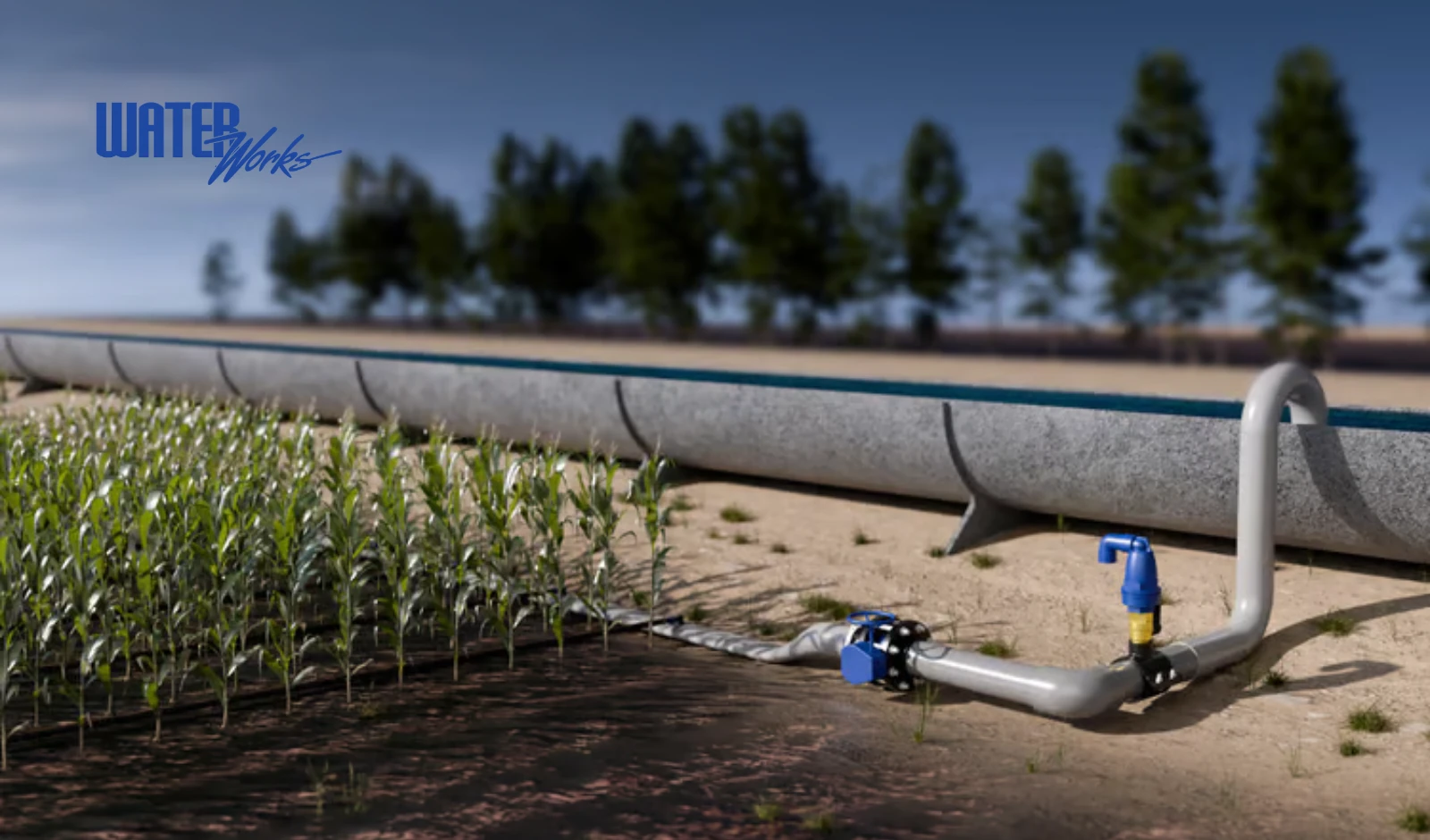
However, some systems use gravity instead of constant pumping. A gravity-fed water system allows water to flow naturally from a higher location down to taps, tanks, or irrigation systems. Understanding how gravity-fed systems work can help homeowners and property owners choose the right water supply setup for their needs.
How Gravity Fed Water Systems Work
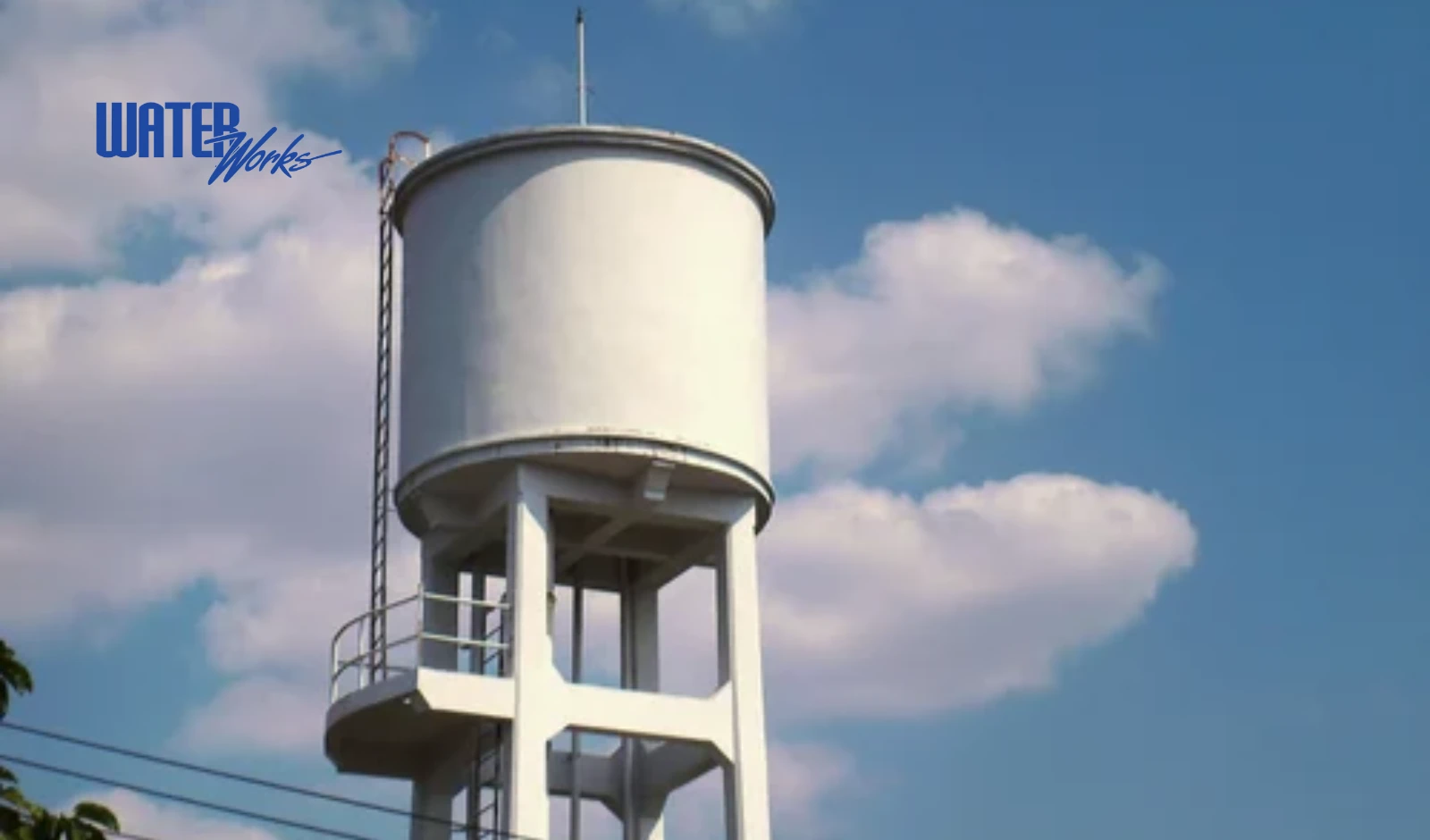
A gravity-fed water system uses height to create water pressure. Water is stored in an upper tank or another elevated water source. Because the tank sits at a higher elevation, gravity pulls the water downward through pipes.
As water flows downhill, it creates pressure that moves water through the system. This allows water to reach taps, irrigation systems, and other plumbing connections. The higher the tank sits, the more water pressure the system can create.
Main Parts of a Gravity Fed System
A fed water system typically includes several key components.
Common components include:
- A water tank for storage
- Pipes that carry the water
- Valves and connections
- A water source, such as rainwater or stored water
Some systems may also use pumps to pump water into the upper tank before gravity moves it through the system. Proper system design is important to ensure water flows correctly throughout the property.
Water Pressure in Gravity Fed Systems
Water pressure is one of the most important parts of gravity-fed systems.
Pressure depends on:
- The height of the upper tank
- The distance water travels
- The size of the pipe used in the system
If the tank is too low, water pressure may be weak. A properly designed system helps maintain a steady flow rate and a reliable water supply. A plumber can help calculate the correct setup for your property.
Common Uses for Gravity Fed Water Systems
Gravity-fed water systems are used in many different settings.
Common uses include:
- Homes in rural areas
- Farms and gardens
- Irrigation systems
- Drip irrigation setups
These systems are popular because they can be cost-effective and use less electricity than systems that rely heavily on pumps. Gravity-fed systems can also continue working during power outages if water is already stored in the tank.
Choosing the Right Water Tank
The water tank is a key part of the system. The tank should be large enough to meet the property’s water needs. Some tanks are made from food-grade materials to store water for household use safely.
Tank placement is also important. Placing the tank at a higher elevation improves water pressure and helps water to flow properly through the system. A plumber can recommend the right tank size and placement based on your property.
Why Pipe Size Matters
Pipe size affects how well the system works. If the pipes are too small, water flow may become weak or slow. Larger pipes may improve flow rate and help move water more efficiently.
The right size pipe depends on:
- The distance water travels
- The amount of water needed
- The system design
Careful planning helps ensure the water supply works properly throughout the property.
Benefits of Gravity Fed Systems
Many property owners choose gravity-fed systems because of their advantages.
Benefits include:
- Lower energy use
- Simple operation
- Cost-effective water supply
- Reliable performance during power outages
Because gravity-fed water systems rely less on pumps, they may also have lower operating costs over time. These systems can work well for homes, farms, and irrigation systems.
Why Professional Installation Matters
Proper installation is important for any gravity-fed water system. A plumber can inspect the property, assess the water source, and design a system that provides reliable water pressure and flow rate.
Professional installation also helps prevent leaks, poor drainage, and other plumbing problems. A well-designed system improves efficiency and helps the system last longer.
Final Thoughts
A gravity-fed water system uses natural force to move water from a higher elevation to areas where it is needed. These systems are simple, reliable, and often cost-effective.
With the right water tank, pipe size, and system design, gravity-fed systems can provide a steady water supply for homes, farms, and irrigation systems. A trusted plumber can help design, install, and maintain a system that works properly for your property.
Reliable Water System Services
A properly installed water system helps ensure reliable water flow and long-term performance. Professional support can help you choose the right setup for your property.
Water Works provides trusted plumbing services for water system installation and maintenance across Auckland. Call 0800 448 372 or book online and save $15. Our experienced team is ready to respond quickly and safely.
Discover more
news and tips
Discover our wide range of plumbing blogs showcasing everything from home renovations to large-scale commercial installations.


Contact us today about your Auckland plumbing needs
24/7 Affordable Plumbing Services for Auckland Homes and Businesses. For all emergency jobs please call us on 09 846 4458.