

Learn about gas leak side effects, health risks in your home, warning signs, and what to do in an emergency.
Gas Leak Side Effects and Health Risks in Your Home
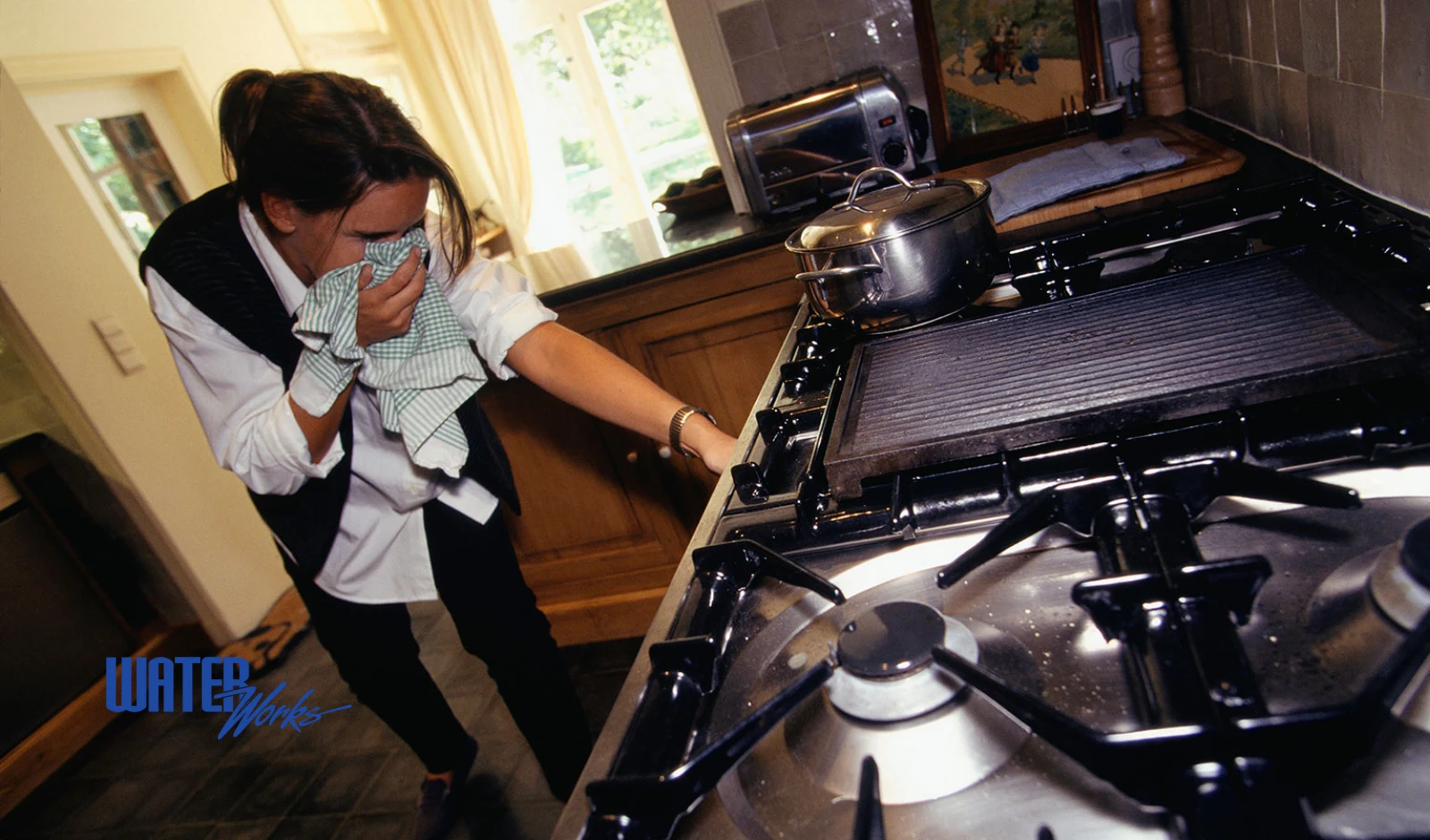
Gas is widely used in homes to power water heaters, clothes dryers, stoves, and heating systems. When everything works properly, gas systems are safe and efficient. However, a gas leak in your home can quickly become dangerous and harmful to your health.
Many people do not realise how fast gas exposure can affect the body. Some symptoms may start mild, while others can become severe without warning. Understanding gas leak side effects and knowing what to do can help protect you and your family. This guide explains common health effects, warning signs, and when to call for help.
How Gas Leaks Affect the Body
Gas leaks affect the body by reducing oxygen levels in the air. When gas builds up indoors, it can displace oxygen and make it harder to breathe. This is especially dangerous in enclosed or poorly ventilated areas.
Some natural gas leaks also involve carbon monoxide, a colourless and odourless gas that is extremely harmful. Without working carbon monoxide detectors, people may not realise they are exposed until symptoms become severe.
Common Gas Leak Side Effects
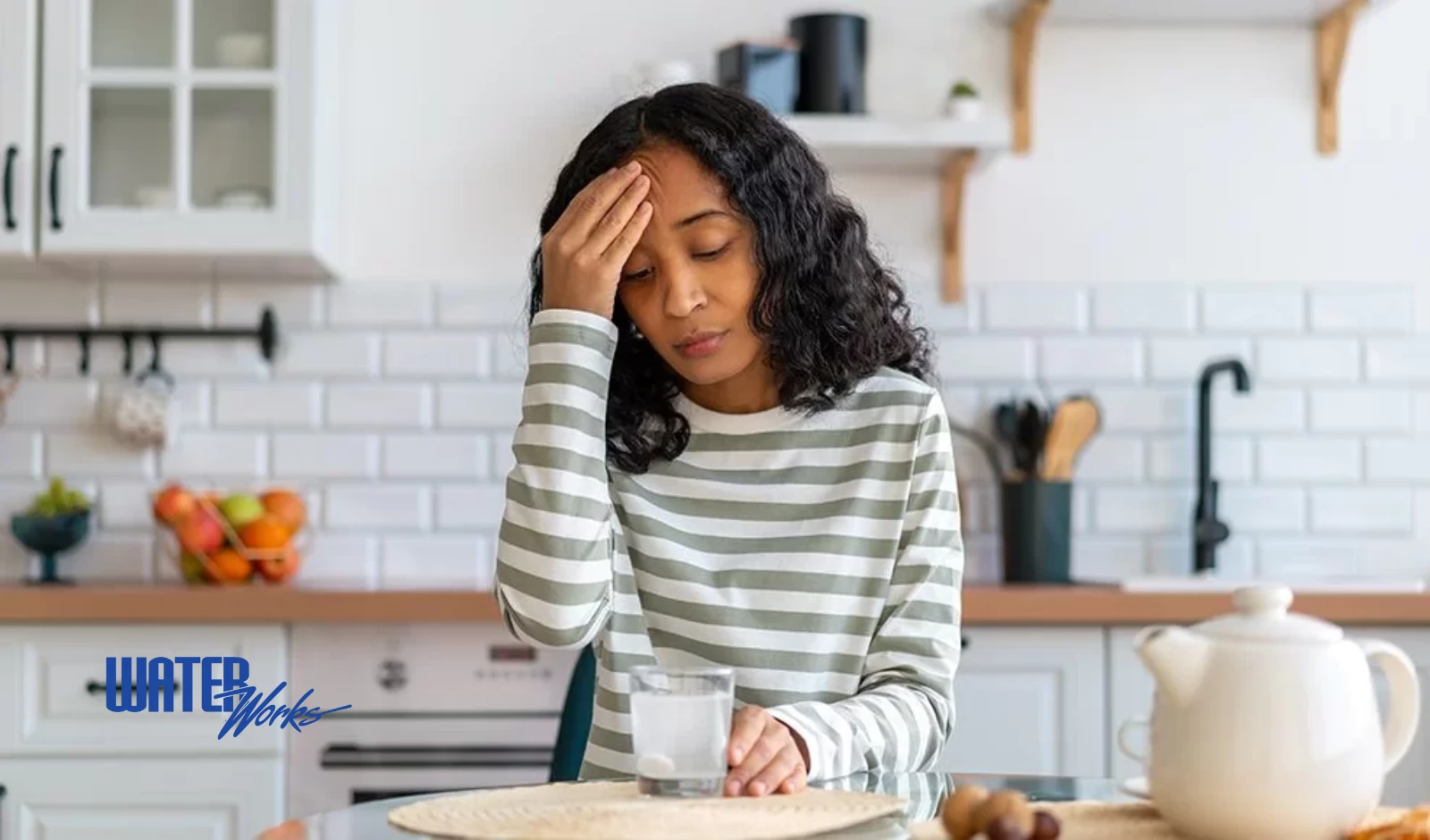
Gas exposure affects people differently, but common symptoms include:
- Headaches
- Dizziness or lightheadedness
- Nausea or vomiting
- Fatigue or weakness
- Shortness of breath
These symptoms may appear quickly or develop over time, depending on the level of exposure.
Gas Leak in House Health Effects
When gas leaks inside a home, health risks increase. A gas leak smell, often described as the smell of rotten eggs, is a strong warning sign. Gas companies add this odour to help people detect a gas leak early.
Indoor gas exposure can lead to confusion, difficulty concentrating, and balance problems. In severe cases, people may lose consciousness. Children, older adults, and pets often show symptoms sooner.
Carbon Monoxide Poisoning
One of the most serious risks linked to gas leaks is carbon monoxide poisoning. Carbon monoxide forms when gas does not burn properly. Faulty pilot light systems, blocked vents, or damaged gas lines can all cause this problem.
Symptoms of carbon monoxide poisoning include:
- Chest pain
- Severe headaches
- Confusion
- Vision problems
- Loss of consciousness
Because carbon monoxide has no smell, carbon monoxide alarms and carbon monoxide detectors are essential for gas safety.
Long-Term Exposure Risks
Long-term exposure to gas leaks can lead to ongoing health problems. Repeated gas exposure may worsen breathing conditions, cause chronic headaches, and affect memory or concentration.
People who experience ongoing symptoms should seek medical advice and have their home inspected by professionals trained in residential plumbing and gas safety.
Common Sources of Gas Leaks in the Home
Gas leaks often come from:
- Aging or damaged gas lines
- Faulty water heaters
- Poorly vented clothes dryers
- Loose connections on appliances
- Areas with standing water that cause corrosion
Routine inspections help reduce these risks.

What to Do If You Suspect a Gas Leak
If you suspect a gas leak:
- Leave the area immediately
- Leave the building and get some fresh air
- Avoid turning lights or appliances on or off
- Do not use phones inside the home
- Call 111 or emergency services from a safe location
Once safe, contact emergency plumbers or your gas provider for help.
The Role of Plumbing Professionals
Licensed plumbers play a critical role in gas safety. Companies like Water Works provide trained teams who understand gas systems and residential plumbing requirements. They can inspect gas connections, repair leaks, and confirm your home is safe before gas use resumes.
Emergency plumbers are especially important when leaks occur after hours or when immediate danger is present.
Final Thoughts
Gas leaks are serious and can affect your health faster than many people realise. Knowing the side effects, recognising warning signs, and acting quickly can prevent severe injury or worse. Gas safety depends on awareness, working alarms, reliable gas leak detection, and professional inspections.
If you suspect a gas leak, never ignore it. Leave the area and seek help right away
Gas Leak Help When You Need It
Gas leaks require fast, professional action to keep your home safe.
Call 0800 448 372 or book online and save $15. Our experienced team is ready to respond quickly and safely.
Discover more
news and tips
Discover our wide range of plumbing blogs showcasing everything from home renovations to large-scale commercial installations.


Contact us today about your Auckland plumbing needs
24/7 Affordable Plumbing Services for Auckland Homes and Businesses. For all emergency jobs please call us on 09 846 4458.