

Learn how to detect a gas leak, recognise early warning signs, and keep your home safe. A simple NZ guide to gas leak safety, risks, and professional help.
How to Detect a Gas Leak: Essential Safety Guide
Gas leaks are one of the most serious hazards a homeowner can face. They often start quietly, with subtle warning signs that are easy to overlook. However, even a small leak can lead to fire, property damage, or life-threatening health risks. Understanding the basics of gas leak detection can help you act early and keep your home safe.
This guide explains how natural gas leaks occur, the key signs to watch for, and why professional gas leak detection is essential when you suspect a gas leak in your home.
Why Gas Leaks Happen in Homes
A gas leak occurs when gas escapes from the system that is meant to contain it. Most often, leaks come from:
- Damaged gas lines: Pipes can wear down over time, especially if exposed to pressure, corrosion, or ground movement.
- Faulty gas appliances: Old or poorly maintained appliances may release gas unintentionally.
- Pilot light issues: A weak or unstable pilot light can signal a problem with gas flow.
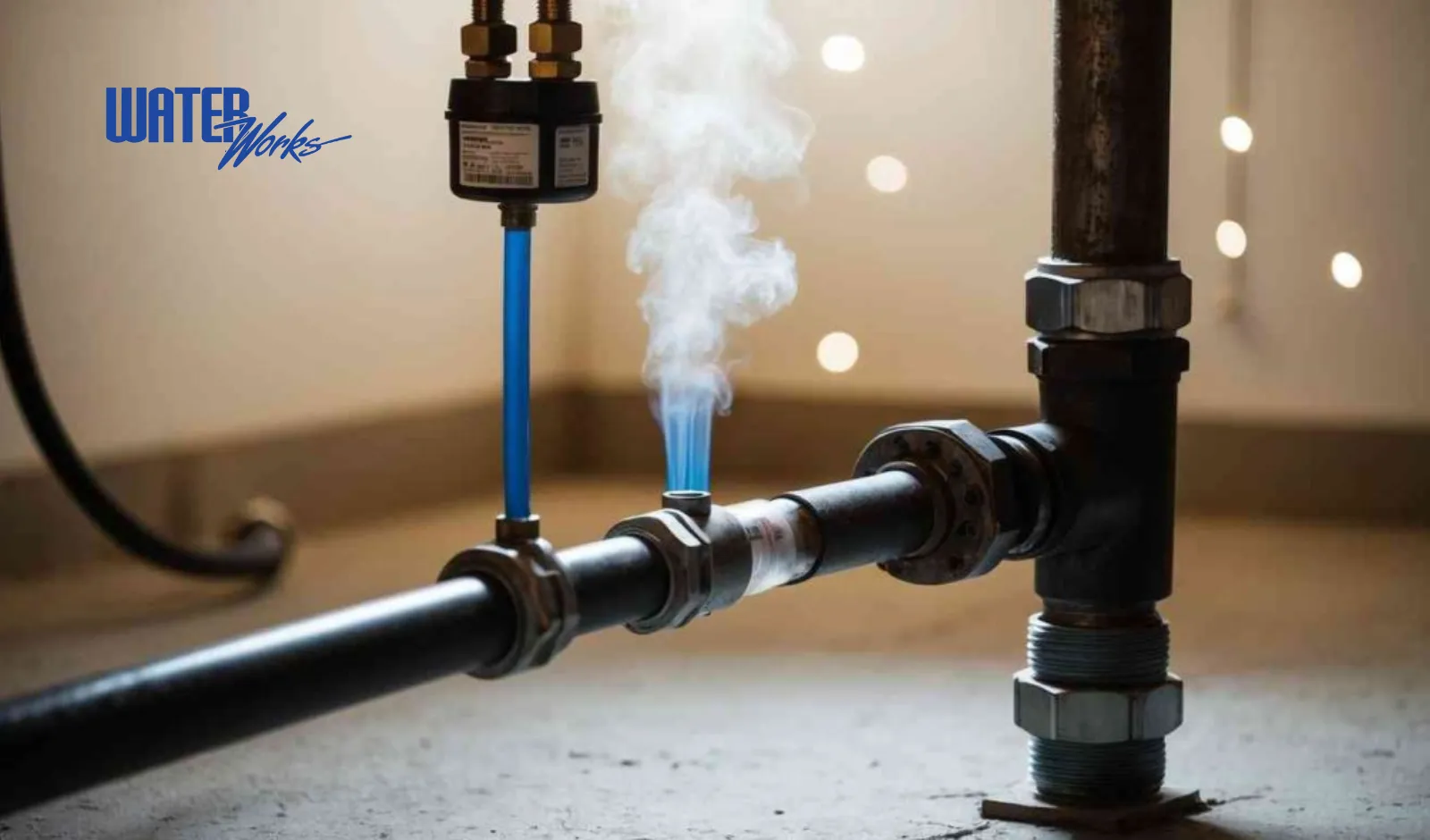
- Incorrect flame colour: Gas appliances should burn a steady blue flame.
If you notice orange or red flames, it may indicate incomplete combustion or a leak nearby.
- Poor installation or ageing fittings: Over time, seals and connectors weaken, creating small leaks that grow worse.
Understanding why leaks happen makes it easier to spot the warning signs early.
How Do You Know If You Have a Gas Leak?
Gas leaks come with clear indicators if you know what to look for. Here are the most common signs of a gas leak:
1. The smell of gas
Natural gas leaks often smell like rotten eggs. This gas leak smell is one of the strongest and most reliable signals.
2. Unusual sounds
A hissing or whistling noise near a gas line, gas hob, or connection point suggests gas is escaping.
3. Changes in flame colour
Your gas appliances should burn a steady blue flame. If the flame appears orange or red, stop using the appliance and arrange a safety check.
4. Pilot light problems
A pilot light that keeps going out is often an early sign of a gas leak or ventilation issue.
5. Physical symptoms
If you or others experience sudden:
- Dizziness
- Headaches
- Nausea
- Fatigue
- Breathing difficulties
There may be a gas leak or, worse, a risk of carbon monoxide poisoning. Always take these symptoms seriously.
6. Dead plants near gas lines
Outdoor natural gas leaks can cause surrounding vegetation to die suddenly.
Recognising these signs early can prevent dangerous situations. If you notice any of these warning signs, it is important to stay safe and contact emergency plumbers immediately so the issue can be assessed and resolved by trained professionals.
How Can You Tell If There’s a Gas Leak Indoors?
Inside your home, you can detect a gas leak using your senses and simple checks:
- Smell: A sulphur-like odour indicates escaping gas.
- Hear: Listen for faint hissing around appliances or pipes.
- See: Flame colour changes, pilot light failure, or condensation near appliances may be warning signs.
Gas safety also means staying alert to more serious risks. When leaks occur near heating systems, they can contribute to carbon monoxide poisoning, which is harder to detect and extremely dangerous.
Always avoid open flames, lighters, or switching electrical items on or off if you suspect a leak. Even a small spark can trigger ignition.
How to Detect a Gas Leak Safely
If you suspect a leak, you can perform a few safe, non-invasive checks:
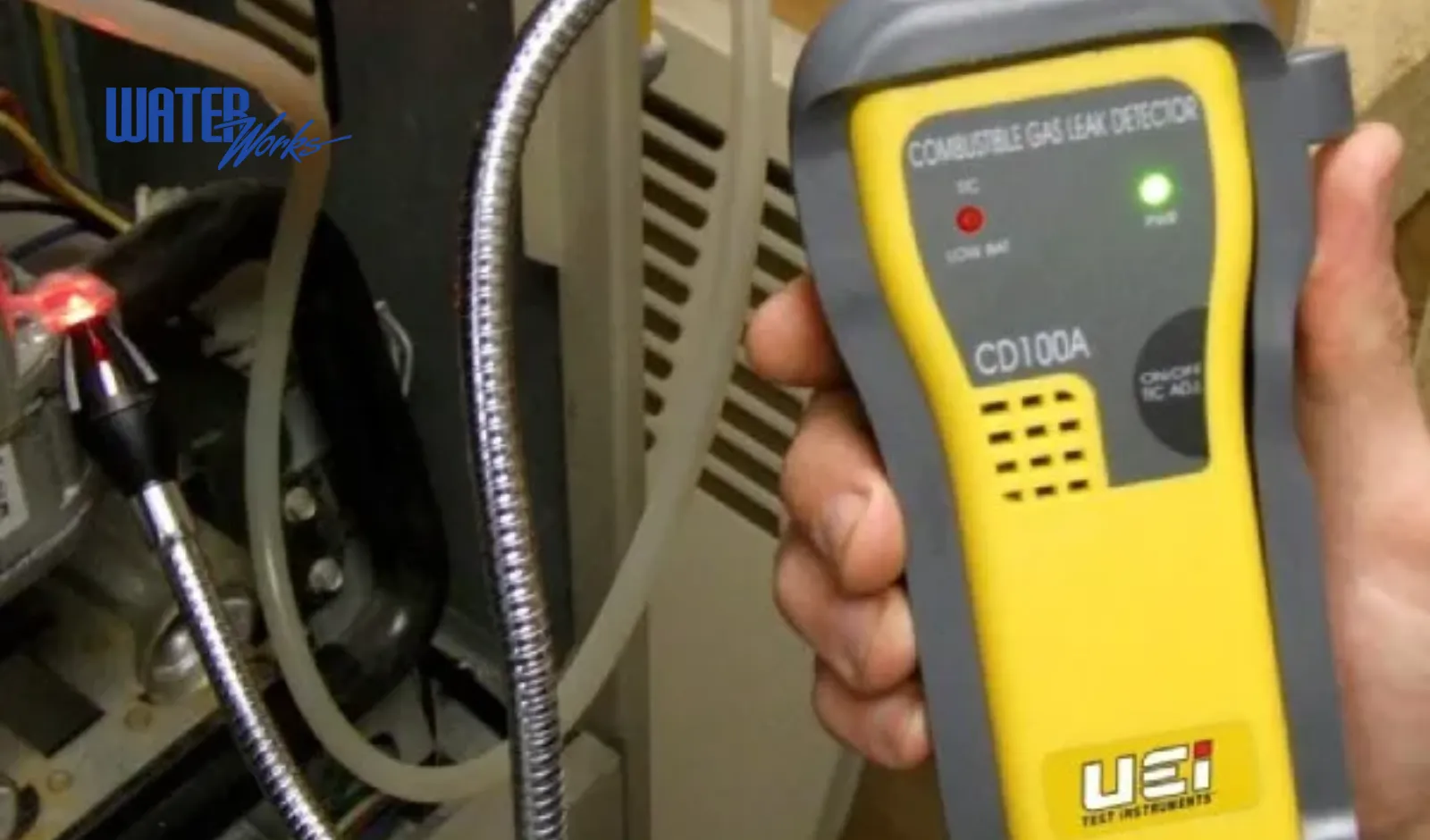
- Use a gas leak detector: A handheld detector can identify small leaks around appliances and fittings.
- Perform a visual check: Look for loose fittings, damaged hoses, or unusual flame patterns.
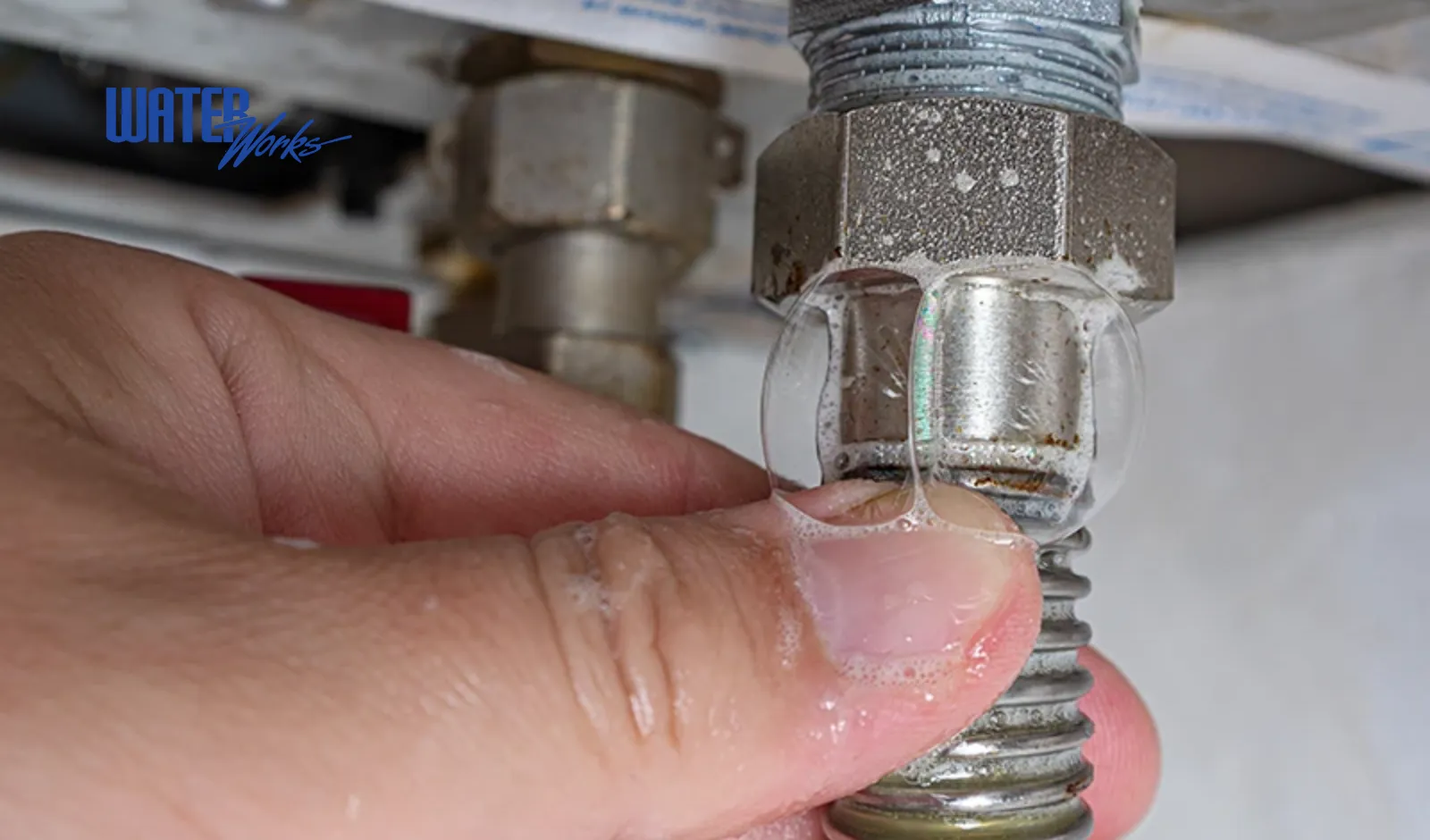
- Try the soapy water test: Mix dish soap with water and apply it to suspected areas. If bubbles appear, gas is escaping.
(This helps detect a gas leak, but does NOT replace professional inspection.)
- Turn off gas appliances immediately: Stop using your gas heater, hob, or hot water system until the issue is checked.
Never attempt to repair a gas line or appliance yourself.
When a Gas Emergency Requires Immediate Action
If you believe a gas emergency is unfolding:
- Turn off the gas supply at the mains if safe.
- Ventilate the area by opening windows and doors.
- Avoid open flames or anything electrical.
- Evacuate everyone from the property.
- Call the emergency service immediately.
Once the area is safe, a licensed gas professional can locate and repair the leak. If you're unsure who to contact, look for plumbing services near you that are qualified to handle gas emergencies and ensure your home is made safe again.
Why Professional Gas Fitters Are Essential
Gas systems are complex and dangerous. Attempting DIY repairs is illegal and unsafe.
Professional plumbers and gas fitters can:
- Identify leaks accurately
- Test gas line pressure
- Repair damaged connections
- Replace failing appliances
- Ensure compliance with NZ gas safety standards
Their expertise prevents long-term risks and keeps your home safe.

Your Trusted Gas Safety Experts in Auckland
When it comes to gas leaks, fast action saves lives. Whether you notice a gas leak smell, flame discolouration, or unusual appliance behaviour, contact experienced professionals immediately.
At Water Works, our Registered Master Plumbers and gas specialists provide accurate leak detection, gas safety inspections, and emergency service to keep your home protected. We use advanced tools to detect a gas leak, repair gas lines, and prevent future hazards.
Call us today 0800 448 372 or book online to save $15. Trust Water Works, your local gas safety experts.
Discover more
news and tips
Discover our wide range of plumbing blogs showcasing everything from home renovations to large-scale commercial installations.


Contact us today about your Auckland plumbing needs
24/7 Affordable Plumbing Services for Auckland Homes and Businesses. For all emergency jobs please call us on 09 846 4458.