

Learn how to check for a gas leak at home safely, recognise warning signs, avoid risks, and know when to call licensed professionals.
How to Check for a Gas Leak at Home Safely
Gas leaks are a serious safety risk in New Zealand homes. Knowing how to check for gas leak issues at home can help prevent health problems, property damage, and dangerous emergencies. Many homeowners only realise something is wrong when they smell gas or start feeling unwell, but by then the situation may already be unsafe.
Gas systems work quietly in the background. Because of this, leaks often go unnoticed. A small fault in a gas line or appliance can slowly get worse until it becomes an emergency. Early awareness, professional checks, and the right response are critical for keeping people and property safe.
This guide explains how to check for gas leaks in house settings, what causes gas leaks in homes, how professionals detect them safely, and when urgent action is needed. It also explains why gas safety should always be handled by licensed experts instead of DIY fixes.
What Causes Gas Leaks at Home
Gas leaks can happen in any home that uses natural gas, no matter how old or new the house is. Most leaks develop slowly over time, which makes them easy to miss.
Common causes include ageing gas lines that weaken or corrode, loose or poorly sealed connections, and worn fittings around gas appliances. Vibrations from daily use, renovations, or nearby construction can also cause joints to move.
A leak occurs most often at valves, joints, pilot lights, or where gas appliances connect to the gas line. In some homes, underground gas lines are damaged by ground movement, landscaping, or soil erosion.
Poor installation or lack of servicing can also increase the risk of natural gas leaks. A sudden rise in your gas bill without extra use can be an early sign of a hidden gas problem in the home.
Common Signs of a Gas Leak in the Home
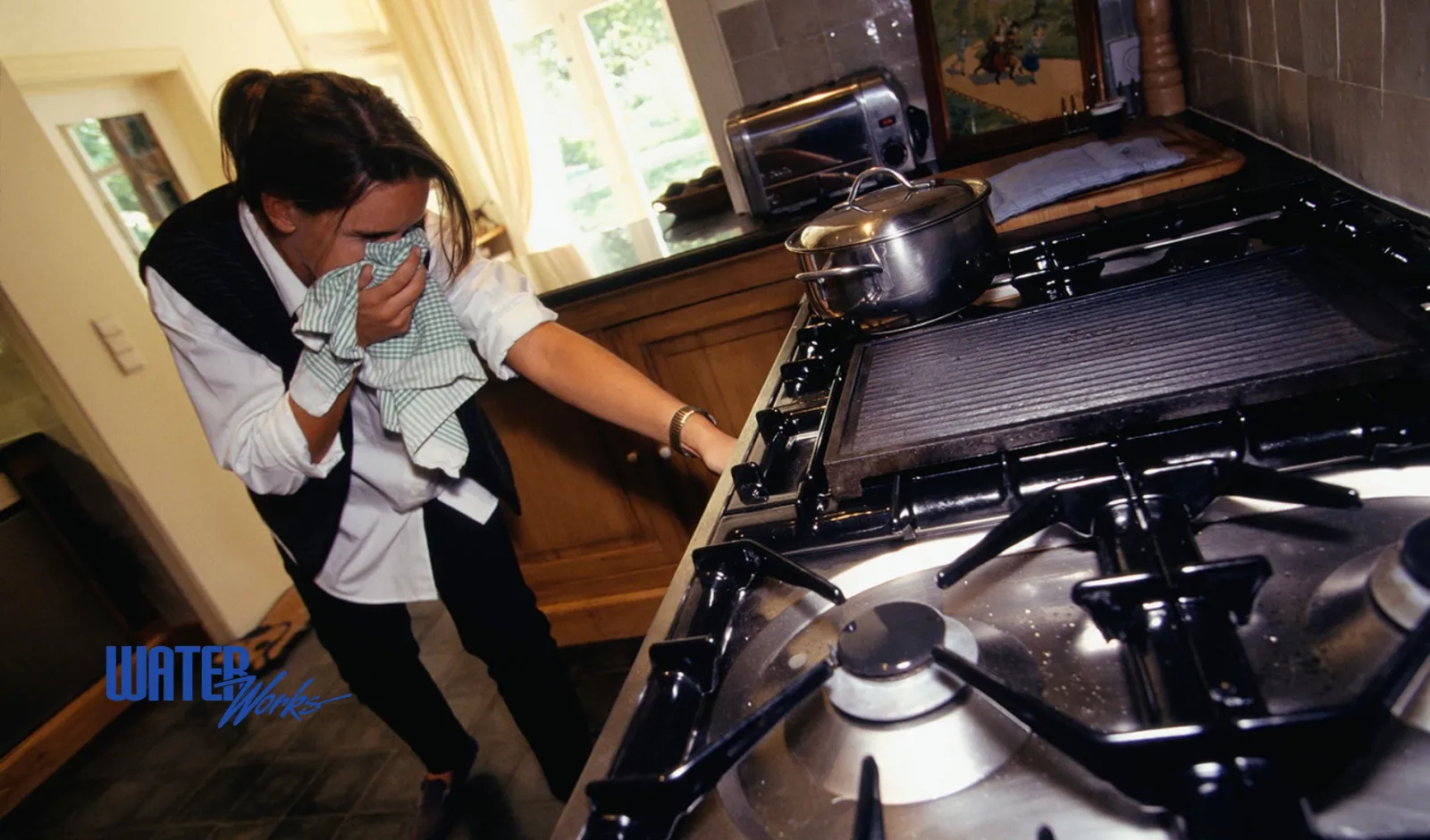
Knowing the signs of a gas leak at home is important for early detection. Gas leaks do not always cause clear symptoms at first.
Common warning signs include:
- A strong smell like rotten eggs
- Hissing or whistling sounds near gas lines or gas appliances
- Pilot lights that keep going out
- Gas appliances showing an orange or red flame instead of a blue flame
- Feeling dizzy, tired, sick, or having headaches
- Dead plants near outdoor gas lines
- Smelling gas even when appliances are turned off
In enclosed homes, gas can build up fast. If you smell gas or notice these symptoms, treat it as a gas emergency and act straight away.
How to Check for a Gas Leak Safely at Home
If you are wondering how to check for gas leaks in a house, safety must always come first. Never try to repair gas systems or test them in ways that could cause sparks, flames, or pressure changes.
If you suspect a gas leak at home:
- Open windows and doors immediately to let fresh air in
- Avoid open flames and do not use matches or lighters
- Do not turn electrical switches on or off
- Leave the house if the smell is strong or you feel unwell
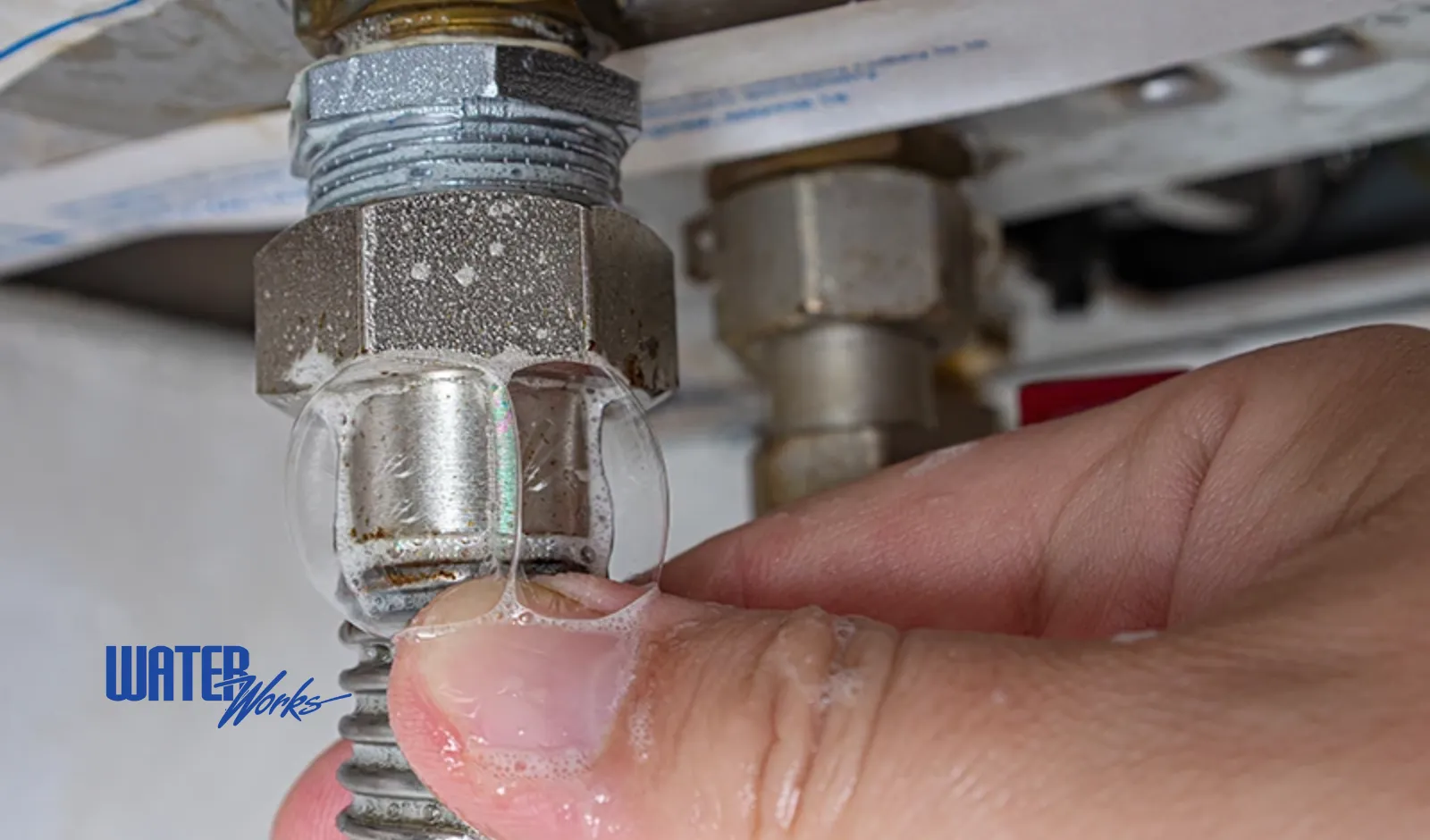
Some homeowners try a soapy water test on exposed gas fittings. Bubbles can appear if gas is escaping. While this may help with visible gas lines, it cannot detect hidden leaks behind walls, ceilings, or floors. Professional gas leak detection is safer and far more accurate.
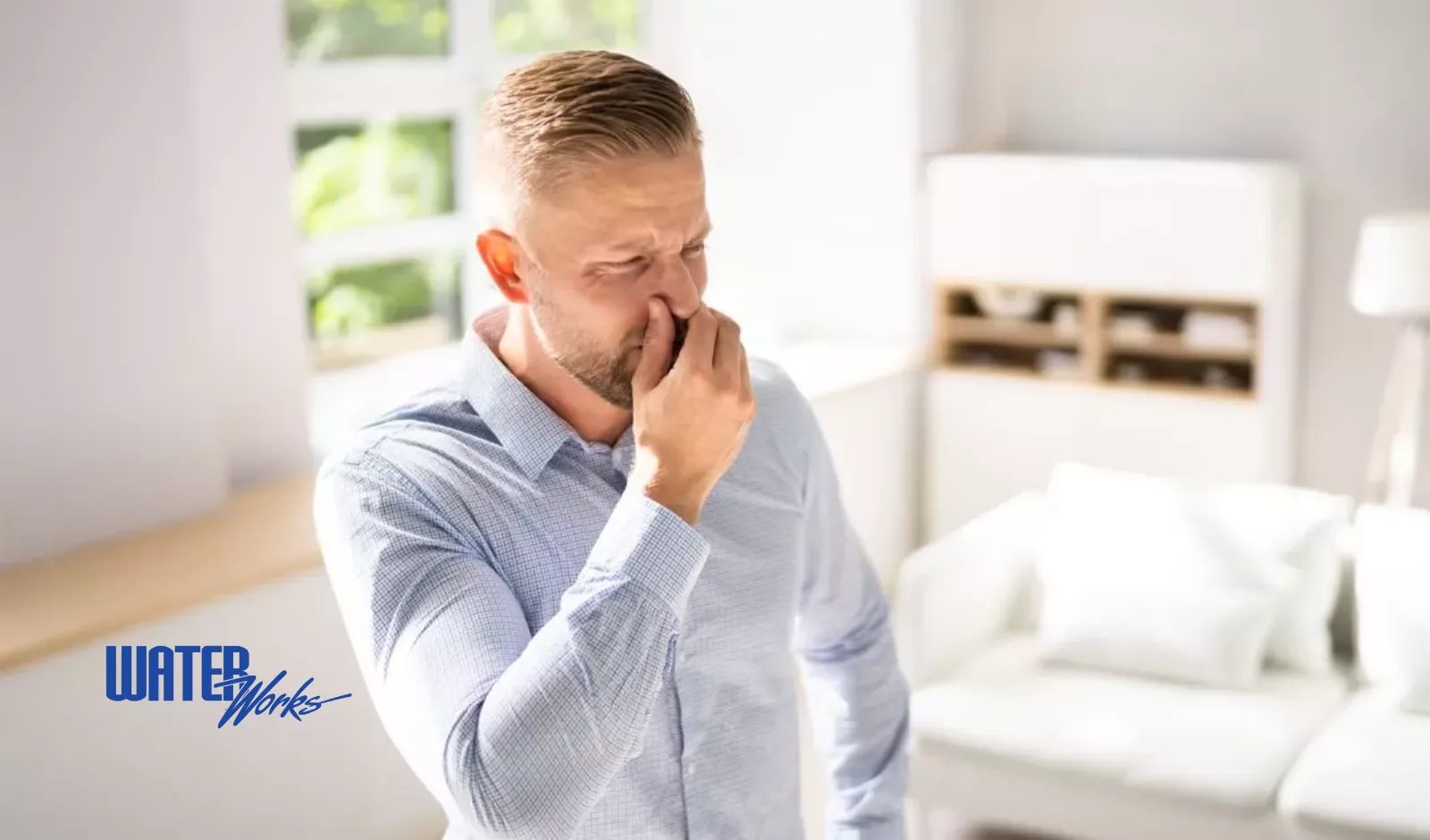
Why Gas Leaks Are Dangerous in Homes
Gas leaks are dangerous and can cause serious harm inside a home. Breathing in gas may lead to dizziness, nausea, headaches, and breathing problems. Long-term exposure increases the risk of carbon monoxide poisoning, which can be life-threatening.
Gas can also collect quickly in enclosed spaces such as kitchens, laundries, or garages. If it comes into contact with open flames, pilot lights, or electrical sparks, it can cause a fire or explosion. This is why gas leaks are one of the most dangerous household safety issues.
Strict gas safety rules exist for this reason. Professional detection and repair are essential to protect lives and property.
Gas Leak Risks in Residential Homes
In residential plumbing systems, gas leaks often happen near gas appliances such as cooktops, heaters, and hot water systems. Homes are enclosed spaces, so gas can build up without being noticed right away.
Children, elderly people, and pets are more sensitive to gas exposure. Even small leaks over time can affect health and indoor air quality. Regular professional checks help reduce the risk of long-term exposure and sudden emergencies in the home.
How Professionals Detect Gas Leaks in Homes
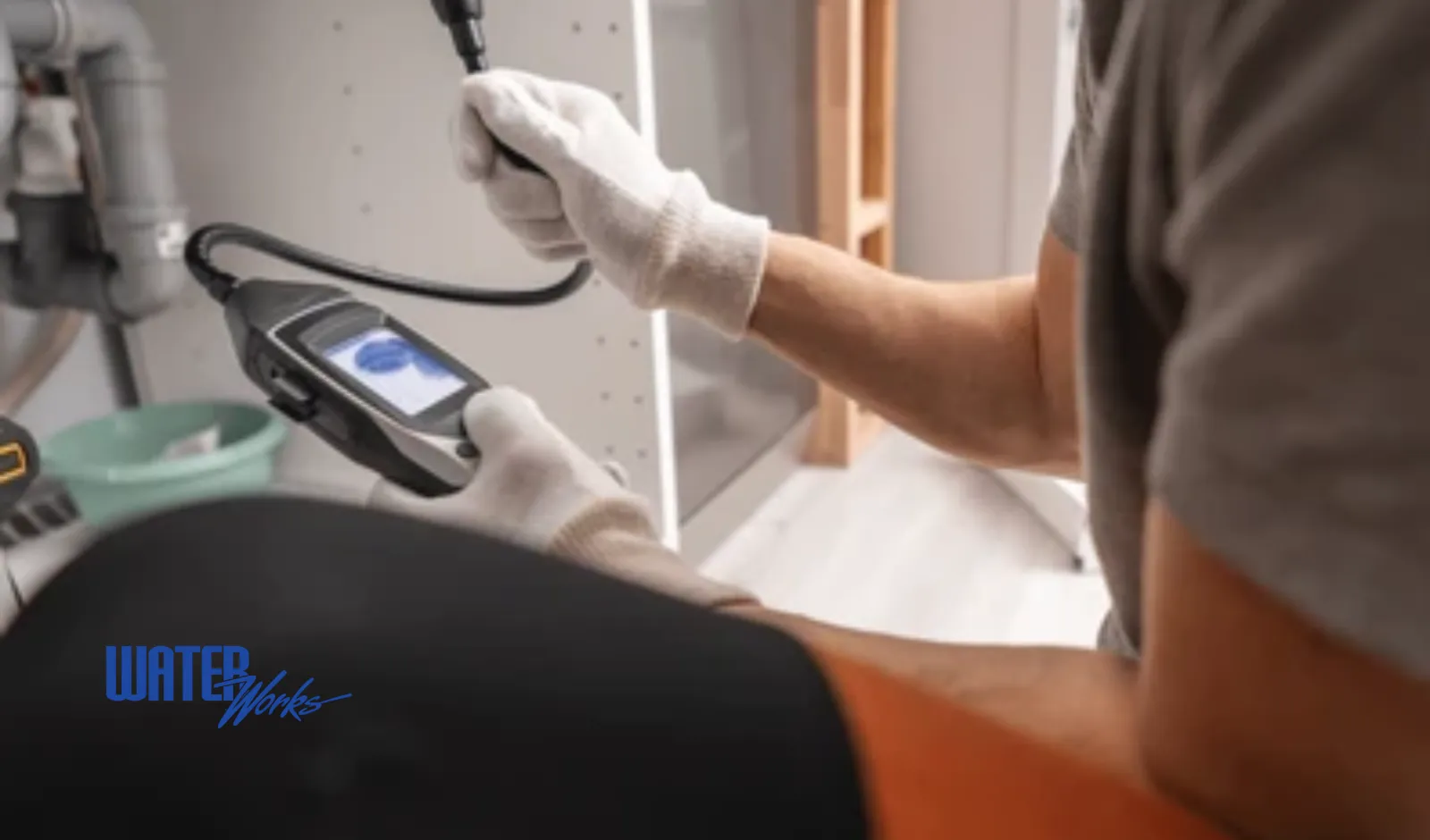
Licensed professionals use specialised tools for accurate gas leak detection without damaging your home. These methods are far more reliable than visual checks or home testing and are designed to find leaks safely.
Professional gas leak detection includes:
- Electronic gas leak detector devices that sense gas in the air
- Pressure testing to identify drops inside gas lines
- Careful inspection of gas appliances, valves, pilot lights, and fittings
- Testing areas where gas lines run behind walls or underground
These gas leak detection methods allow professionals to pinpoint the exact source of the leak and repair it safely. This helps prevent repeat problems and ensures the system meets all gas safety standards.
Why DIY Gas Leak Checks Are Risky
DIY gas checks at home are unsafe and strongly discouraged. Without proper training or tools, it is easy to miss the real problem or make the leak worse.
Common DIY risks include:
- Turning valves the wrong way
- Damaging seals or fittings
- Increasing gas flow by mistake
- Missing hidden leaks
- Creating fire or explosion risks
Many serious incidents happen when people try DIY fixes instead of calling emergency plumbers or a licensed gas fitter. Gas systems must meet strict safety rules, and only trained professionals can ensure this.
Why Regular Gas Maintenance Prevents Emergencies
Regular gas maintenance helps stop emergencies before they happen. Many gas leaks at home start as small issues, such as loose fittings or worn parts, that are easy to miss without checks.
Professional maintenance includes inspecting gas lines, appliances, valves, and pilot lights. Early signs of wear, pressure problems, or poor ventilation can be found before they turn into major risks.
Regular servicing also helps gas systems work safely and efficiently. Preventive care is far safer and more cost-effective than dealing with a gas emergency after damage has already occurred.
When a Gas Emergency Requires Immediate Action
If you believe a gas emergency is happening in your home:
- Turn off the gas supply at the mains if it is safe
- Open all windows and doors
- Avoid open flames and pilot lights
- Evacuate everyone from the house
- Contact emergency services immediately
Once the area is safe, a licensed gas professional can find and repair the leak properly.
Your Trusted Experts for Gas Safety in Auckland
Gas leaks at home should never be ignored. Whether you are checking for a gas leak in your house or noticing unusual gas smells, professional help is essential.
At Water Works Auckland, our licensed team provides gas inspections, gas leak detection, repairs, and emergency response across the region. We support residential plumbing needs and urgent gas-related issues with qualified gas fitters and emergency plumbers.
Call us today on 0800 448 372 or book online and save $15. Our emergency plumbers are available across Auckland whenever urgent help is needed.
Discover more
news and tips
Discover our wide range of plumbing blogs showcasing everything from home renovations to large-scale commercial installations.


Contact us today about your Auckland plumbing needs
24/7 Affordable Plumbing Services for Auckland Homes and Businesses. For all emergency jobs please call us on 09 846 4458.