

Learn how to check if a gas cylinder is leaking, spot warning signs, and know when to call a plumber for help.
How to Check if Gas Cylinder Is Leaking
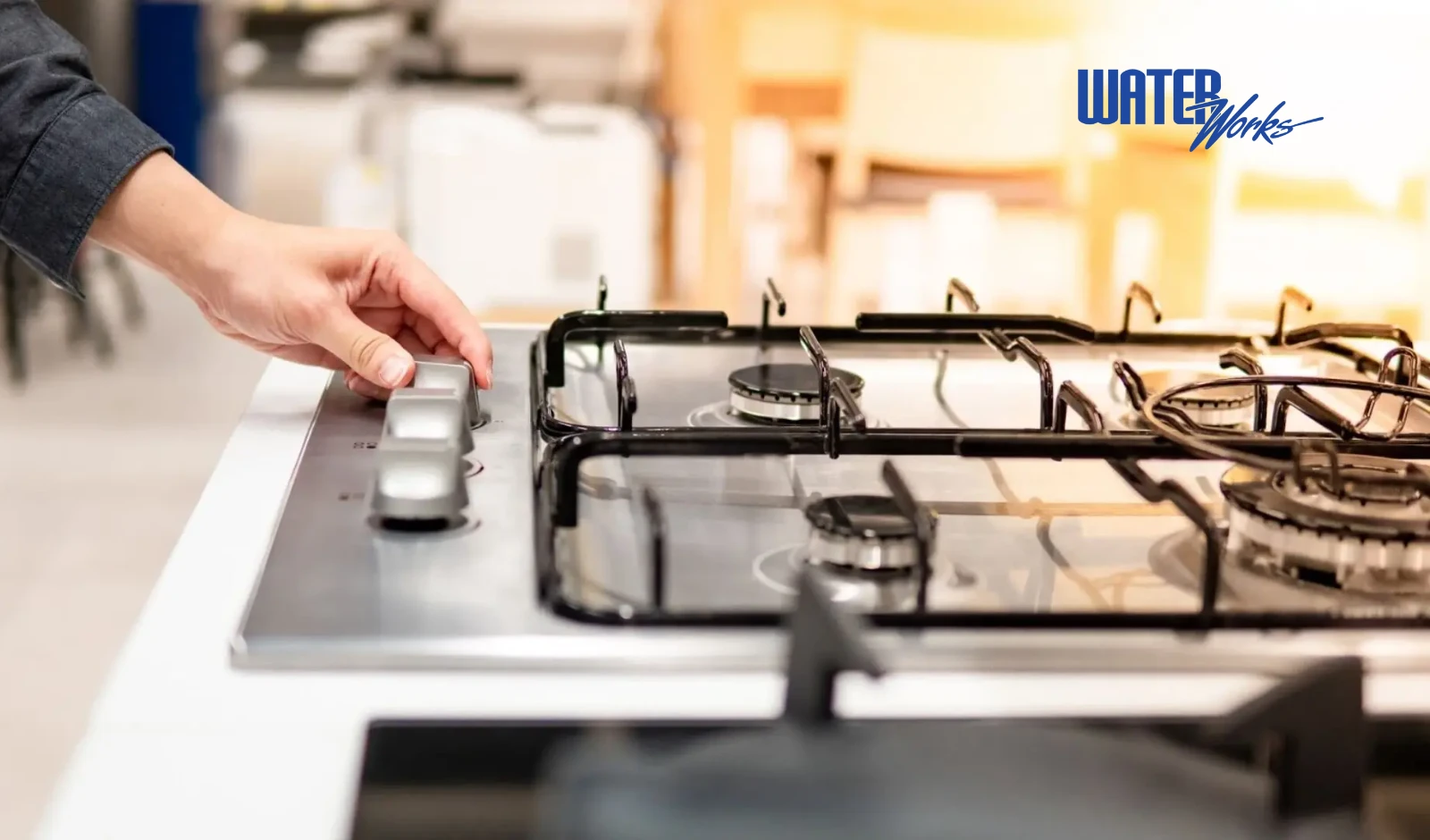
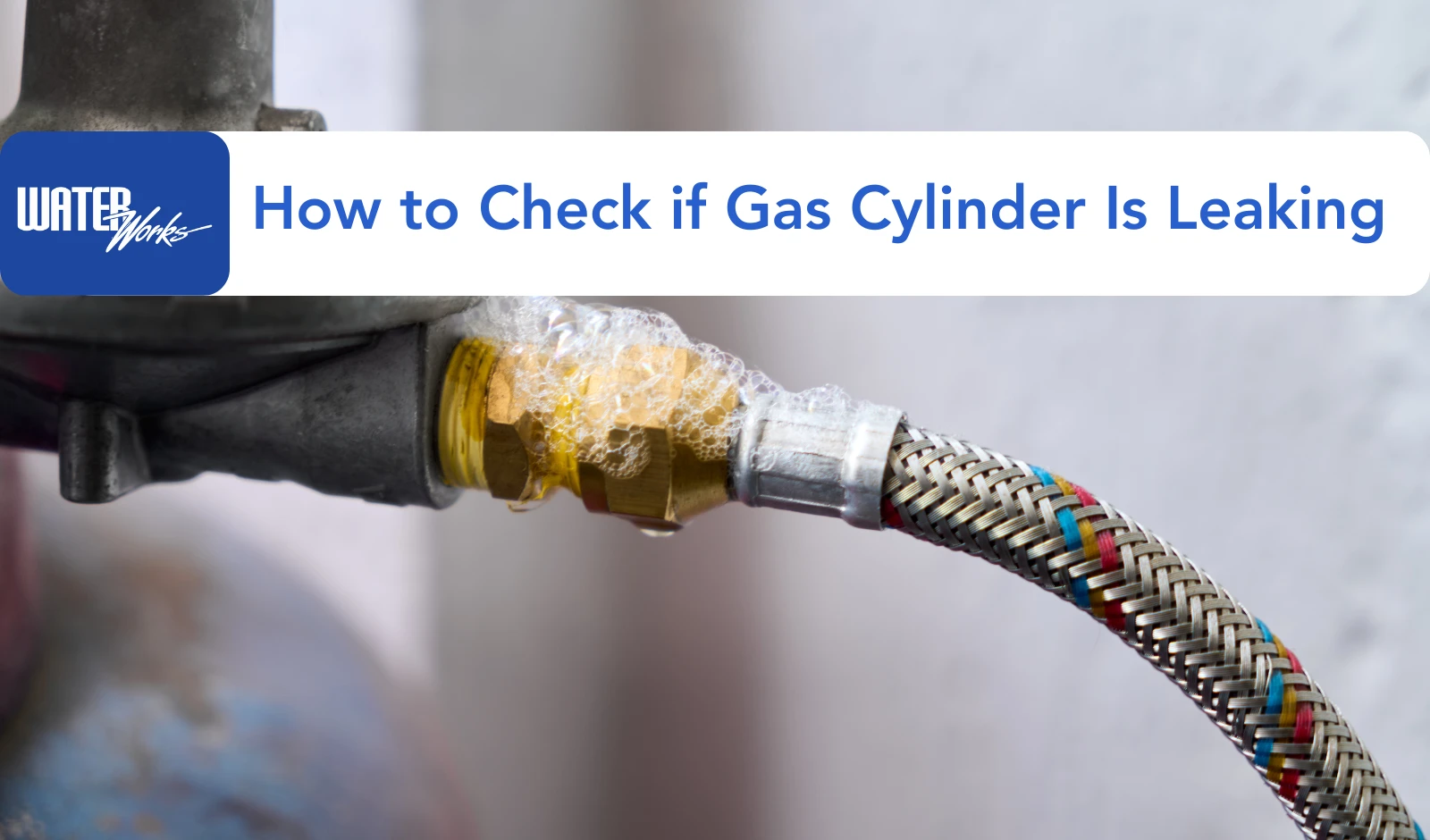
Gas cylinders supply fuel for many household needs, including cooking, heating, and outdoor appliances like barbecues. While modern LPG cylinders are built to meet safety standards, leaks can still occur. Damage, loose connections, expired cylinders, or poor storage often cause these problems.
A leaking gas bottle is a serious safety issue. Gas can build up quickly in enclosed or poorly ventilated areas. When gas collects, it increases the risk of fire, explosion, and health problems. Many homeowners want to know how to check for leaks safely and when to call for help. This guide explains how to identify warning signs, how to test for leaks correctly, and when to contact a plumber or gas professional.
Why Gas Cylinder Leaks Are Dangerous
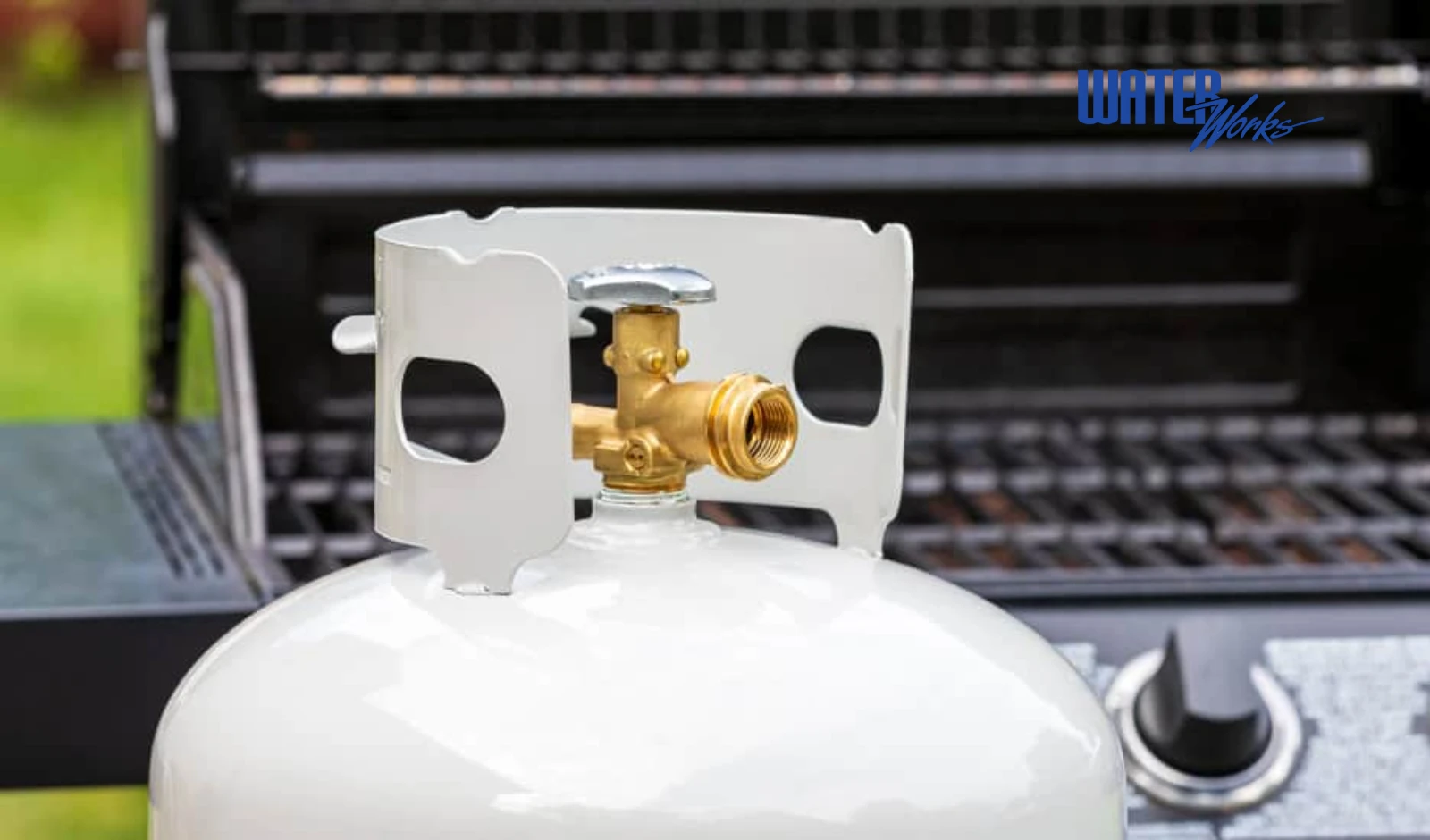
Gas leaks are dangerous because natural gas and LPG ignite easily. When gas escapes and mixes with air, even a small spark can start a fire or cause an explosion. Sparks may come from light switches, electrical appliances, pilot lights, or static electricity.
Gas exposure also affects health. Breathing in gas reduces oxygen levels in the air. This can cause headaches, dizziness, nausea, tiredness, or trouble breathing. In severe cases, people may feel confused or faint. These risks increase indoors or in storage areas with poor airflow, where gas can collect without being noticed.
Common Signs Your Gas Cylinder Is Leaking
1. Rotten Egg Smell
Gas suppliers add a strong scent so people can detect leaks quickly. Many describe this smell as rotten eggs. If you notice this smell near your gas cylinder, plumbing connections, or gas appliances, treat it as a gas leak until proven otherwise.
2. Hissing or Whistling Sounds
A hissing sound near the valve, regulator, or hose usually means gas is escaping under pressure. Even a faint sound should be checked. Leaks often worsen over time if left unaddressed.
3. Rising Gas Bill
A slow gas leak can release gas around the clock. If your gas bill rises even though your usage stays the same, professional gas leak detection may be needed to locate a hidden issue in your system.
4. Physical Symptoms
Gas exposure may cause dizziness, headaches, nausea, tiredness, or shortness of breath. If anyone experiences these symptoms, leave the area immediately and seek help.
How to Check if Gas Cylinder Is Leaking
Gas cylinders can be dangerous if handled incorrectly. If you think a cylinder may be leaking, your safety must come first. Avoid hands-on testing unless it is safe to do so and you are confident there is no immediate risk.
- If it is safe, turn off the gas supply at the cylinder or regulator to reduce further gas escaping. If the smell is strong, move away immediately and do not attempt to approach the cylinder.
- Make sure the area is well ventilated by opening doors and windows or moving to an open space. Avoid confined areas where gas can build up.
- Do not attempt hands-on leak testing. Touching valves, hoses, or fittings can worsen the leak and increase risk. Always leave inspection and testing to trained professionals.
Never use flames, lighters, matches, or electrical devices to check for gas. These can cause ignition, fire, or explosion. If you suspect a gas cylinder is leaking, stop using it and arrange a professional inspection. Trained technicians have the right tools to locate leaks safely without increasing risk.
Gas leaks are not a DIY issue. When in doubt, ventilate the area and seek expert help immediately.
Mistakes That Increase Risk During a Gas Leak
Certain actions can make a gas leak more dangerous:
- Turning lights or appliances on or off
- Using phones close to the leak
- Ignoring faint smells or quiet hissing sounds
- Tightening fittings without training
- Continuing to use gas appliances
These actions can trigger ignition or cause the leak to worsen.
Check the Cylinder’s Age and Condition
Each gas cylinder has a date stamped on the neck. This date indicates when someone tested or manufactured the cylinder. Older cylinders are more likely to leak because of valve wear, corrosion, or metal fatigue.
Inspect the cylinder for:
- Rust or corrosion
- Dents or cracks
- Loose or damaged valves
Replace damaged or expired cylinders through approved gas suppliers only. If you are unsure, a licensed plumber or gas fitter can help assess the condition.
Why Proper Storage Matters
Correct storage plays a major role in preventing gas leaks:
- Keep the cylinder upright at all times
- Store it away from heat and direct sunlight
- Use outdoor areas with good airflow
- Secure cylinders so they cannot tip over
Never store gas cylinders near ignition sources or inside sleeping areas. Poor storage can damage valves and hoses over time.
Gas Appliances, Plumbing, and Connection Points
Gas leaks do not always come from the cylinder itself. Problems can also occur within gas appliances or gas plumbing connections. Loose fittings, worn seals, or damaged hoses often cause leaks at these points.
Common appliances that may develop leaks include:
- Cooktops
- Heaters
- Hot water systems
- BBQs
If the cylinder passes inspection but the gas smell remains, a licensed plumber with gas experience or a gas fitter should inspect all plumbing lines, fittings, and appliances.
When to Call for Professional Help
Call for professional help if:
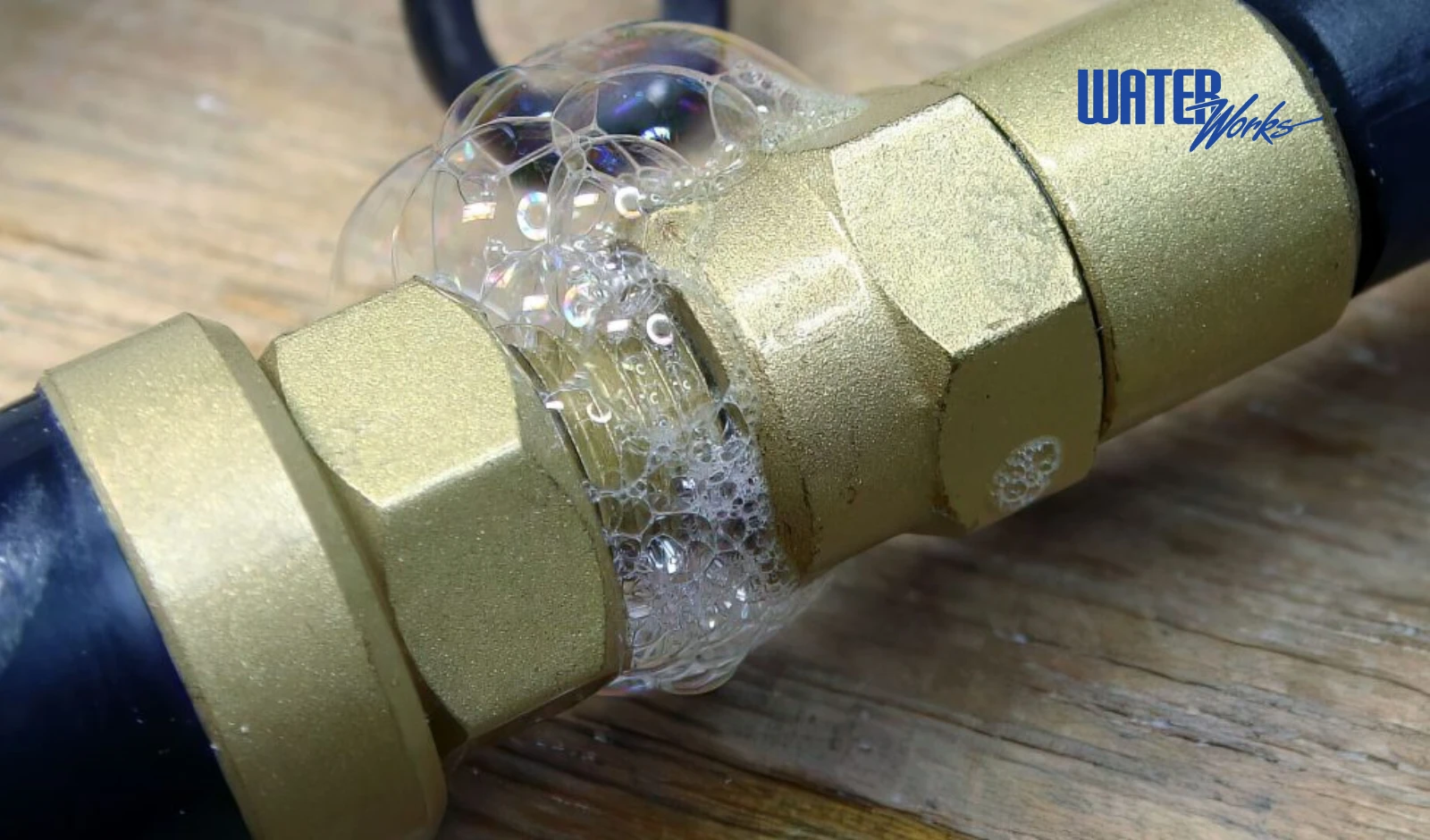
- You confirm a leak using soapy water
- The gas smell continues after turning off the supply
- You cannot find the source of the leak
- The cylinder, valve, or plumbing connections appear damaged
You may need to contact your gas supplier, call emergency plumbers, or arrange a visit from a licensed plumber trained in gas systems.
What to Do in a Serious Gas Emergency
If the gas smell is strong or you hear loud hissing:
- Turn off the gas supply if it is safe
- Open doors and windows
- Leave the building immediately
- Call 111 or your gas supplier from a safe location
Do not return until professionals confirm it is safe.
Final Thoughts
Knowing how to check if a gas cylinder is leaking helps prevent fires, explosions, and health risks. Clear warning signs of a gas leak often appear before serious damage occurs. Simple checks, safe testing methods, and proper storage reduce danger.
Gas issues require quick action. If something feels wrong, do not delay. A licensed plumber or gas professional can handle gas and plumbing systems safely and correctly.
Gas Safety Checks & Emergency Support
Gas leaks need fast action. If you suspect a leak or want a safety inspection, Water Works is here to help.
Call 0800 448 372 or book online and save $15. Our team is available to respond quickly and ensure your home is safe.
Discover more
news and tips
Discover our wide range of plumbing blogs showcasing everything from home renovations to large-scale commercial installations.


Contact us today about your Auckland plumbing needs
24/7 Affordable Plumbing Services for Auckland Homes and Businesses. For all emergency jobs please call us on 09 846 4458.