

Why your bathroom sink drain smells and how to fix it by clearing buildup, stopping unpleasant odours, and preventing sewer gas from escaping into your home.
Why Your Bathroom Sink Drain Smells & How to Fix It
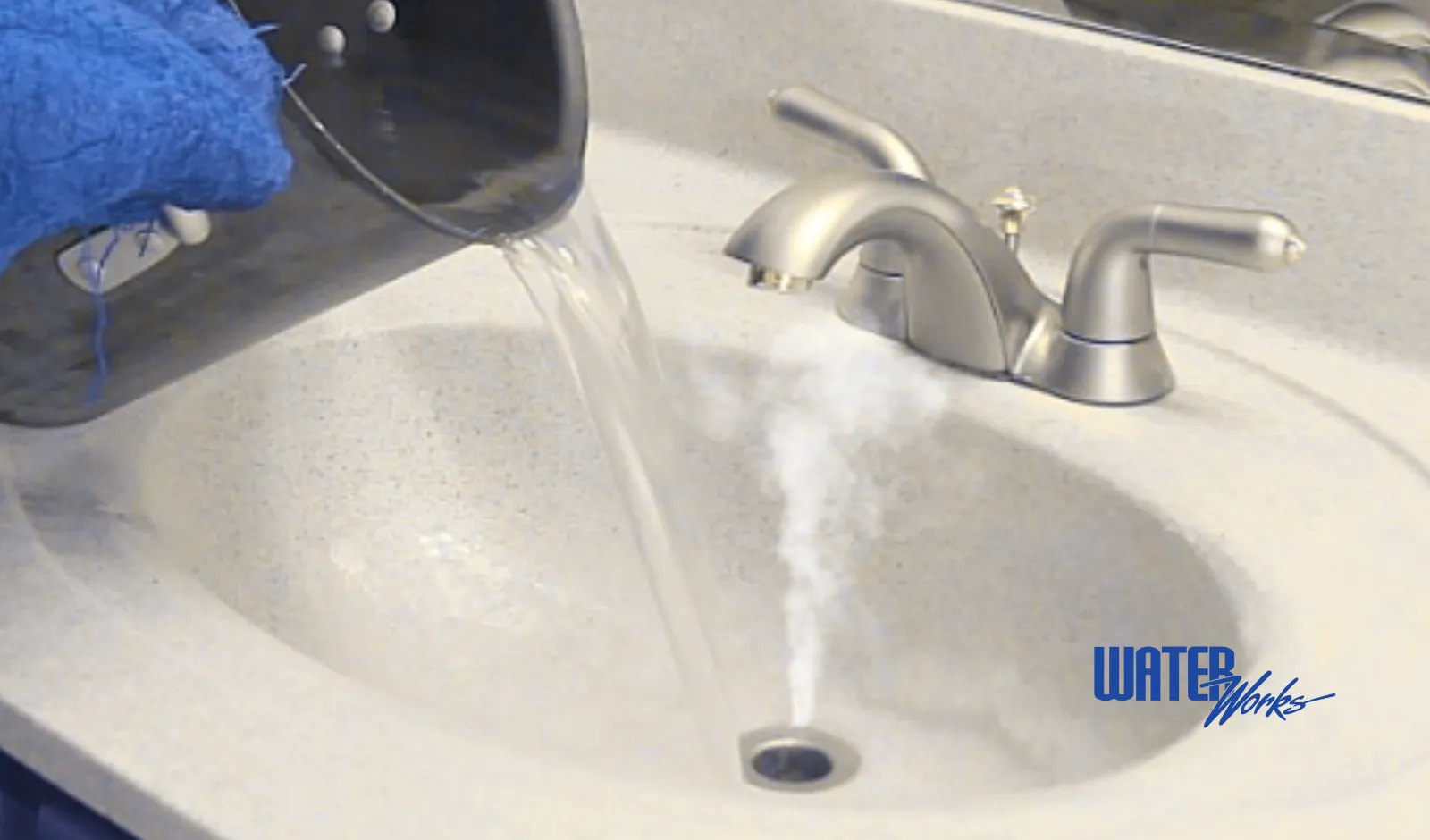

Nothing disrupts a fresh bathroom faster than an unpleasant smell drifting up from the sink. If your bathroom sink drain smells, you’re not alone, this is one of the most common complaints among homeowners. Whether the odour resembles rotten eggs, sewage, or a damp mustiness, it’s a clear sign something inside the drain isn’t functioning as it should.
This guide explains what causes a bathroom sink drain to smell bad, what different odours mean, which simple fixes are safe to try, and when it’s time to call a licensed plumber to properly clean and repair your drain.
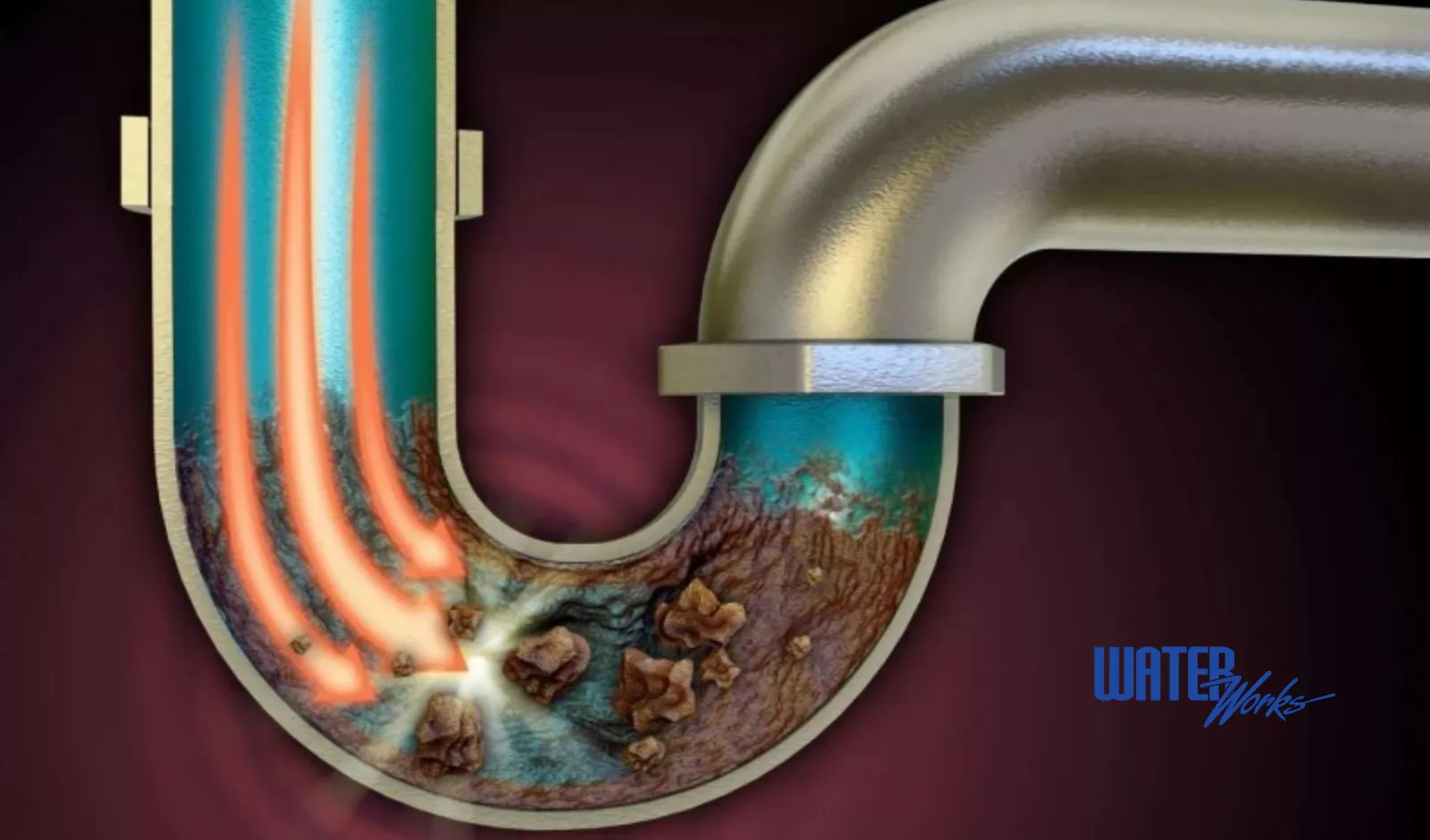
What Causes a Bathroom Sink Drain to Smell?
There’s no single cause behind smelly drains. Several factors can create odours, and understanding them helps you know what you’re dealing with.
- Soap Scum and Debris Build-Up:
Over time, toothpaste, soap scum, and small bits of debris build up over time inside the drain. Bacteria thrive on this mixture, producing the unpleasant smell in your bathroom, often similar to rotten eggs.
- Dry or Faulty P-Trap:
The P-trap holds a small amount of water that prevents sewer gas from travelling back up the pipes.
If the trap dries out or leaks, sewer gases from escaping becomes a real issue, filling your bathroom with unpleasant odours.
- Biofilm Inside the Sink Drain:
This slimy layer of bacteria coats the pipe walls and releases foul smells when water runs through it.
- Clogged Overflow Hole:
The overflow channel in a bathroom sink collects hidden grime. When ignored, it develops a sour or sewer smell.
- Sewer Line Problems:
If the sewer line is cracked or blocked, sewer gas can come through the bathroom sink drain.
This requires immediate attention, as it indicates a deeper plumbing issue.
When your bathroom sink drain smells bad, recognising the type of odour helps you figure out whether it’s a simple blockage or something more serious.
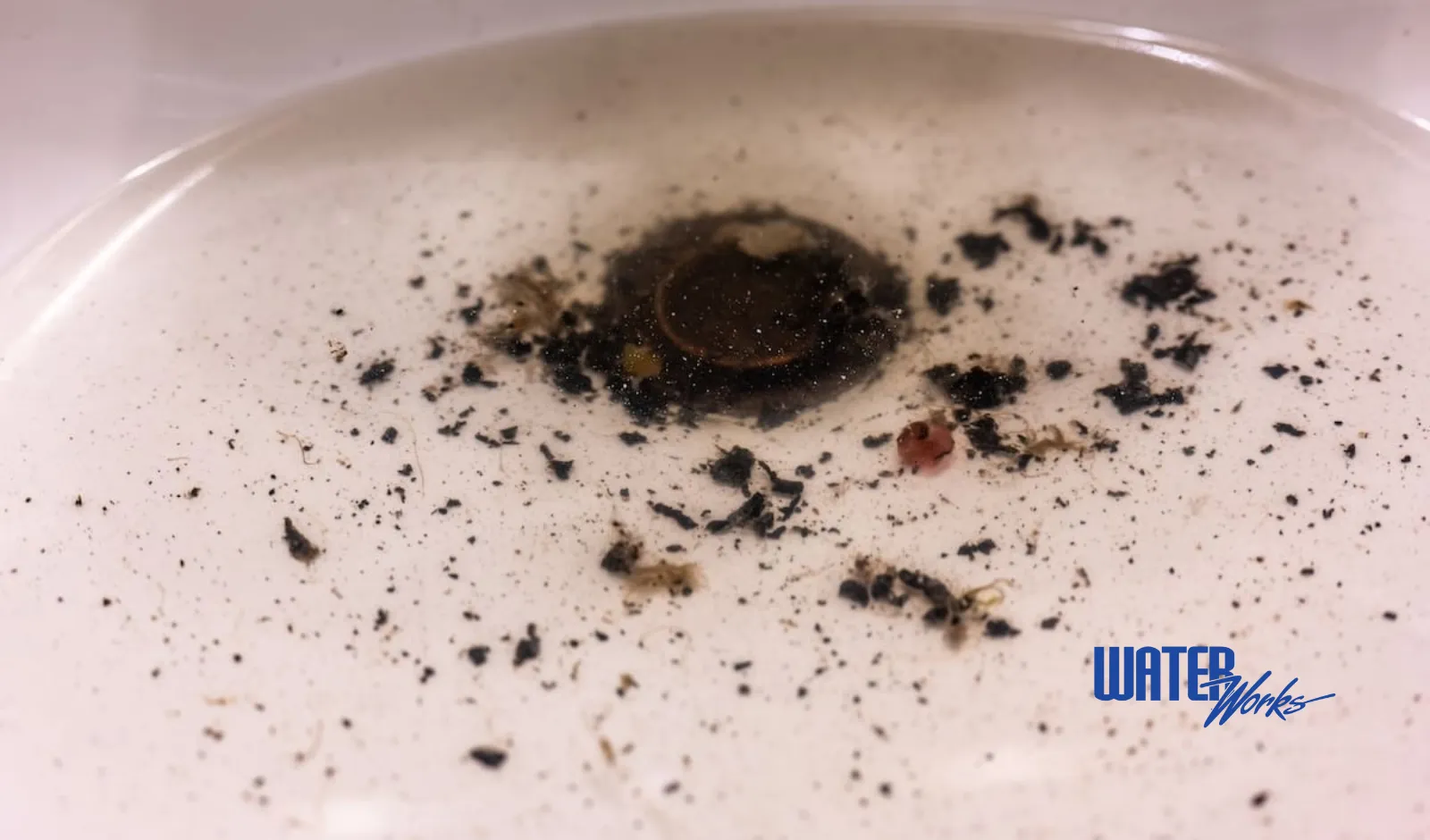
What the Smell Means: Rotten Eggs, Musty Odours, or Sewage
Not all smells point to the same problem. Here’s what each scent suggests:
- Rotten Eggs:
This usually indicates hydrogen sulphide, a sign of bacterial activity or sewer gas entering your bathroom sink.
- Musty or Mouldy Odours:
A musty smell often comes from the overflow area, damp buildup, or stagnant water trapped in the drain.
- Raw Sewage Smell:
A strong sewer smell means the P-trap isn’t sealing properly, the venting system is blocked, or the sewer line has a fault. This is a job for a licensed plumber.
Once you identify the scent, you can decide whether mild, safe cleaning might help or if you need a professional assessment.
Safe Home Remedies for Mild Bathroom Sink Odours
These are simple, low-risk methods suitable only for minor smells, not major plumbing issues.
- Flush with Hot Water Down the Drain
Running hot water down the drain can dissolve light soap scum and help rinse away loose debris.
Avoid boiling water if you have PVC pipes, as extreme heat can cause warping.
- Use Baking Soda and Vinegar
A natural solution for surface-level buildup:
- Pour ½ cup of baking soda into the drain.
- Add 1 cup of white vinegar.
- Let the fizzing action work for 10 to 15 minutes.
- Rinse with hot water.
This helps reduce mild odours without harsh chemicals.
- Clean the Stopper and Overflow Hole
Hair, toothpaste, and soap scum collect around the stopper and overflow. Cleaning them often removes lingering smells.
But remember: If smells return within days, the issue is deeper than surface buildup.
DIY fixes can help temporarily, but they rarely solve the root cause, and can even create bigger problems if done incorrectly.
The Risks of DIY Drain Fixes
Trying to fix drain smells yourself may seem convenient, but deeper plumbing problems require professional tools and expertise. DIY attempts can lead to:
- Damaged P-traps or seals
- Corroded pipes from harsh chemicals
- Cracked PVC from boiling water
- Loosened fittings leading to leaks
- Masking sewer gas issues without actually fixing them
- Pushing clogs further down the pipe
If you constantly pour baking soda and vinegar mixtures or rely on boiling water but the smell keeps coming back, that’s a red flag for a deeper blockage or a sewer line issue.
When to Call a Professional Plumber
Some problems simply can’t be solved with home remedies. Contact licensed plumbers near you if:
- The bathroom sink drain smells bad even after cleaning
- You smell sewer gas regularly
- Water drains slowly or gurgles
- The smell returns within a day or two
- There are signs of moisture around pipes
- You suspect a sewer line problem
- The overflow smells even after cleaning
A professional plumber can:
- Clear deeper blockages safely
- Clean the drain with specialised equipment
- Inspect and repair the P-trap
- Identify sewer line or venting issues
- Prevent long-term damage and ensure your bathroom remains safe and hygienic
For long-lasting solutions and safe repairs, expert attention is the best choice.
Your Trusted Experts for Fresh, Odour-Free Bathroom Drains
At Water Works, we use advanced tools and proven techniques to eliminate foul drain smells and restore healthy bathroom plumbing. Whether it’s a clogged P-trap, biofilm buildup, or a sewer line concern, our licensed plumbers can diagnose and fix the issue quickly.
We provide:
- Professional drain cleaning and odour removal
- Repairs for bathroom sinks, drains, and sewer connections
- Full plumbing maintenance services
- Emergency Plumbers Auckland
Call us today or book online and save $15. We’re here 24/7 to keep your bathroom fresh, clean, and worry-free.
Discover more
news and tips
Discover our wide range of plumbing blogs showcasing everything from home renovations to large-scale commercial installations.


Contact us today about your Auckland plumbing needs
24/7 Affordable Plumbing Services for Auckland Homes and Businesses. For all emergency jobs please call us on 09 846 4458.